
We Need A Better Word for Dog "Owner"
What the world can teach us
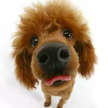

An American expat in Germany told neighbors she was her Great Dane's “Hunde Besitzer” (dog owner). Their shocked looks clued her in - she'd accidentally declared herself as her dog's dominatrix. She now uses “Hundepartner” (dog partner) instead.
The term “owner” is common in English but other languages use words that are more nurturing or playful.
The Traditional View — Mastery

In April 2025, a shepherd in Turkey reported a sheepdog missing for two days, only to find it guarding a ewe that had given birth. The dog had stayed by her side, protecting her from potential predators in an isolated field. This story, circulated widely on social media in Turkey, showcases dogs' natural protective instincts.
Historically, dogs were valued for their utility - hunting, herding, guarding. This functional relationship is embedded in many languages' terminology that emphasizes a master-servant relationship:
- French: Maître and Maîtresse translates to “Master” or “Mistress,” suggesting dominance and control.
- Russian: Khozyain (Boss) carries a sense of authority, implying the human is the head of the household, with the dog as a dependent.
- Japanese: 飼い主 (Kainushi, “Keeper” or “Owner”) combines kai (to keep or raise) with nushi (master), emphasizing responsibility but still framing the dog as a kept entity.
- Swahili: Mlezi (“Guardian”) is used in East African contexts, where dogs are kept for security.
The Legal Lens — Ownership

Many European countries use possessive language to suggest a human-dog legal relationship, including English (originally derived from German), that reflects dogs status as property.
- German: Besitzer (Owner) is used in legal contexts, emphasizing possession and responsibility for the animal's actions.
- Italian: Proprietario (Owner) is formal and common in legal or veterinary settings, reinforcing the idea of dogs as property.
- Arabic: مالك (Malik, “Owner”) is used in everyday contexts, aligning with a view of dogs as possessions, though companion animals are less common in Arabic-speaking regions.
Animals on Trial — The Bizarre Legal Cases of Medieval England
In medieval Europe, animals - both wild and domestic - could be summoned to court, prosecuted, and even sentenced to death for their “crimes.” England was no exception, with records showing pigs, rats, dogs, and even insects standing trial in formal legal proceedings. These cases were dead serious, complete with lawyers, witnesses, and judges - all treating animals as morally accountable beings.
Dogs often Spared for Loyalty
Unlike other animals, dogs were rarely executed in medieval England. Their loyalty to humans earned them legal immunity in many cases. A 14th-century record describes a greyhound pardoned for killing a royal deer because the king declared it “acted out of instinct, not malice.” Another case involved a dog that attacked a burglar - the court ruled it had done “God's work.”
Dogs as Family

A cat in New Zealand tricked two women into owning him, living a double life until a vet visit for stitches revealed his shared custody. The cat kept both names, and both 'owners', leaving the women amused by the feline Lothario's charm and cunning.
Animal rights movements have spurred changes in many countries to reflect animals' recent higher standing:
- French: Compagnon (“Companion”) is increasingly used in informal settings, highlighting mutual partnership rather than possession.
- Spanish: Guardián (“Guardian”) is gaining traction, especially in progressive regions like Barcelona, where local laws have replaced “pet owner” with “pet guardian” to emphasize care and responsibility over ownership.
- Korean: 반려인 (Ballyeo-in, “Companion person”) derives from banlyeo (companion), reflecting a cultural shift toward viewing dogs as partners in life.
- Hindi: पालक (Paalak, “Nurturer” or “Caretaker”) is sometimes used, reflecting a growing urban pet culture in India, though dogs are still often seen as street animals rather than pets.
Swapping Roles — Humans as Pet Servants

As dogs have transitioned from workers to companions, many languages have adopted terms that reflect our caretaking duties, often with a touch of humor or affection:
- Mandarin Chinese: 铲屎官 (Chǎn shǐ guān, “Poop-scooping official”) is a new term for dog owners that acknowledges the less glamorous aspects of dog care.
- English: “Dog mom” or “Dog dad” has surged in popularity, especially on social media, reflecting a bond where dogs are seen as akin to children.
- Japanese: ペットのパパ/ママ (Petto no papa/mama, “Pet dad/mom”) mirrors the English trend, emphasizing a nurturing, parental role.
- Portuguese: Tutor (used in Brazil) implies mentorship akin to raising a child.
The Cat Tax
A 2022 Tokyo University study found that 78% of cat “owners” admitted altering their sleep schedules to feline preferences, with researchers noting: “The more formal the ownership term used, the more likely the human was to be photographed with cat hair on their work clothes.”
What Do You Call Yourself?
The words we choose to describe our relationship with dogs reveal not just personal feelings but cultural histories and values. Whether you call yourself an “owner,” “guardian,” “companion,” or even a “poop-scooping official,” the term you use reflects how you see your dog - property, partner, or family. In your words, what term feels right?
About the Creator
Scott Christenson🌴
Born and raised in Milwaukee WI, living in Hong Kong. Hoping to share some of my experiences w short story & non-fiction writing. Have a few shortlisted on Reedsy:
https://blog.reedsy.com/creative-writing-prompts/author/scott-christenson/
Keep reading
More stories from Scott Christenson🌴 and writers in Petlife and other communities.




Comments (1)
I always look at my dogs and cats as children, with fur. We adopt, feed, and care for them as if they were our children, after all.