
Walking Your Senior Dog: Tips for Adjusting Routine and Meeting Their Needs
As dogs age, their physical activity and mental stimulation needs change. Responsible dog owners should adjust and make it easier for their pets.
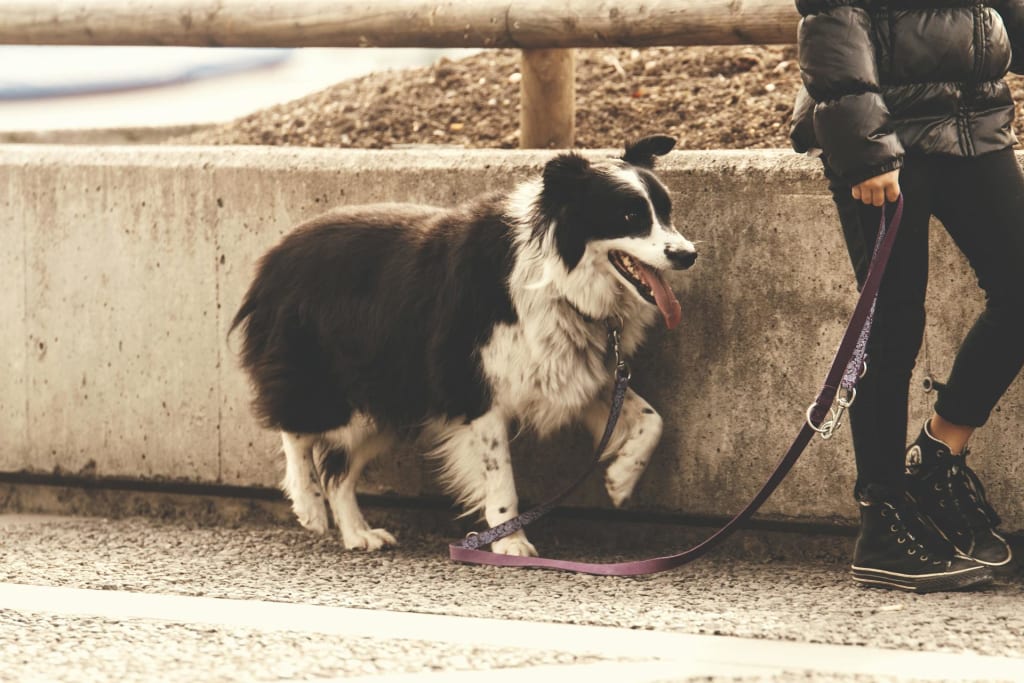
Do you remember the time when your dog dragged you down the street like a tornado? Well, those times are gone. Dogs age faster than we do. You blink and they are now seniors, stopping to sniff every blade of grass, take a break halfway down the block and enjoy the weather outside.
Senior dogs have different needs than young dogs. Understanding their needs and how their walk is different makes all the difference.
Walking brings benefits for dogs of all ages, even senior dogs. But, they need a different routine and exercise. As your dog ages, it is up to you, as a responsible dog owner, to modify their walk. You can change up the speed, avoid a brisk pace, and cut the length of the walk. We will get into these and other tips, so read along.
What is a Senior Dog?
First, let’s define senior dogs. A senior dog is an older dog that has begun to experience age-related changes to their body and mind. We consider most dogs seniors once they turn seven years of age. Large breeds, however, age quickly and are seniors when they are six years old. Small dogs, on the other hand, reach senior years closer to 10 years of age.
Some of the common signs of aging are intolerance to exercise and limited mobility. Which is why you need to adjust their walking routine.
You can also monitor weight, eating habits, sleeping patterns, cognitive ability, drinking and urination habits for any changes.
How Much Exercise Do Senior Dogs Need?
All dogs, including seniors, should get plenty of exercise to avoid obesity and keep their mind fresh. As dogs age, mental stimulation plays a bigger role than physical activity. Consult with a veterinarian to come up with the right plan and routine for your senior dog.
As your dog ages, the amount of exercise will depend on their degree of mobility, breed, previous and current medical history, and lifestyle.
If your senior dog shows no signs of pain and your vet gives you clearance, you can up their exercise routine.
Tips for Walking Senior Dogs
Walking During Bad Weather
Temperature and climate impact your older dog more than they do a puppy. Your dog’s aching joints can become painful during bad weather. Extreme cold and damp air can stiffen their joints, making it harder for them to walk.
Even healthy dogs struggle with regulating their temperature as they age. When it is cold outside, senior pets feel it more strongly than younger puppies. Consider pet boots and coats to protect them against the weather.
Changes in Routine
Consider changing what time you walk your puppy. For senior dogs, mid-day tends to be the best time to walk them because it is the warmest part of the day. Dogs with cognitive changes will benefit more from a morning walk. They are more alert earlier in the day.
Avoid Rough Terrain
The path you choose plays a huge role in how your dog feels for the walk. Dogs dealing with mobility issues and joint pain struggle to maintain their footing. You should avoid rocky landscapes and hilly routes that present challenges even for younger dogs. The ideal surface is a flat, level ground that is not overly strenuous.
For dogs that are losing their sense of vision and hearing, consider a familiar path to make them feel comfortable and safer.
Consider Harness for Support
Older dogs might struggle to stand up, which is the first sign of mobility loss. Most senior dogs will face this issue. And the solution is a simple, rear support leash that can slip on their legs when lying down. It gives them a little boost to get off the ground. Outside, the leash supports their balance.
How to Provide Enough Stimulation for a Senior Dog
Senior dogs need around 30 minutes of exercise per day. But while the length of the physical activity might not change a lot, the intensity should. Puppies sand adult dogs love high-intensity exercises. Seniors, on the other hand, benefit from low impact exercises such as slow walks and puzzle toys that keep their bodies and mind in good shape. Here are some thoughts on how to provide enough stimulation.
- Focus on keeping your dog moving and mobile, not on tiring him out.
- Keep your dog from jumping off beds or any elevated surfaces. Even a short jump could spell injury.
- Split the 30 minutes into several times throughout the day. Shorter and more frequent exercises are great to keep them moving.
Alternative Physical Activity Options for Senior Dogs
Besides walking, there are plenty of other ways to provide physical activity for your older puppy. Here are some ideas.
Scatter Feeding
If you have access to a grassy area, for example, a backyard, scatter some low-calorie treats into the grass. Let your dog sniff and search. This low-impact exercise encourages dogs to use their most powerful tool, their nose. It provides physical activity and mental stimulation that keep your older dog sharp and in shape.
Figure-8 Walking
For this exercise, you need to set up two cones, or anything that you have on hand. Have your dog walk around and across in a figure-8 patterns. In the beginning, put the markers fairly wide apart and move them closer if your dog can easily navigate them. The simple exercise helps with flexibility, a key aspect of mobility in older dogs. Think like their own yoga stretching.
Walk in Water
The water helps take the weight off and make walking easier on the joints. The resistance of the water also encourages the muscles to work slightly harder. Find a slow-flowing body of water like a small stream or a pond. Make sure the height is in between the wrist and the elbow. Be mindful of the temperature and the current. Remember, this walking is more tiring, so keep the session short.
Puzzle Toys
There are plenty of food dispensers and puzzle toys on the market. Or, you can make your own. Puzzle toys help engage dogs mentally and physically. For as long the dog loves the game, he will keep playing with the food dispenser to get rewards.
Sit and Down Routine
Most dogs know the command sit and down. Use them for a simple game that exercises their body and mind. Start on a non-slip surface, and have your dog go from sit to down and back to sit. Rinse and repeat. You can up the difficulty by going from standing to down and back to standing.
Final Words
We all see the signs. The leash is a little frayed. The pace is a bit slower. And the walks have turned from workouts to moments of quiet connection. That is the life of walking a senior dog. It is less about the distance and more about the presence.
As your dog is entering its golden years, it is your job to make their life easier. Walks are the first place you will notice changes. Dogs show less enthusiasm, they take shorter routes, and more sitting breaks. Try to make walks easier, safer, and more fulfilling for your aging dogs. They deserve it!
About the Creator
Aleksandar Mishkov
Former journalist turned freelance writer with a passion for all-things pet related. Been living with dogs my entire life, currently with an 8 year old male Jack Russell terrier
Keep reading
More stories from Aleksandar Mishkov and writers in Petlife and other communities.
Why Does Your Dog Ignore the Come Command and How to Fix It
You are standing at the dog park, leash in hand, already late. Your dog is twenty feet away, nose glued to the ground. You call their name. Nothing. You try again, louder this time. A few people glance over. Your dog looks up, considers you for half a second, then goes right back to sniffing. If you have ever felt your face get hot while calling your dog over and over, you are in familiar territory.
By Aleksandar Mishkov2 months ago in Petlife
Off the Leash: The Essential Gear Guide for Adventurous Dogs
There’s something wildly freeing about unclipping the leash and letting your dog move the way they were built to. If you’re hiking in areas that truly allow off-lead exploration, your gear list shifts. No harness. No leash dragging through dust. Instead, it’s about smart, lightweight essentials that keep your dog safe, hydrated, and easy to manage when adventure gets messy. Long walks off lead are less about control and more about preparation.
By Shabbir Ahmad4 days ago in Petlife


Comments
There are no comments for this story
Be the first to respond and start the conversation.