
Using Pidro Powder Piperazine Salts as a Cat Dewormer
I learned this method the hard way because I had no money left and wanted to find a way to treat a cat without spending too much. Only choose this method if you are desperate and cannot buy ready-made syrup dewormers.

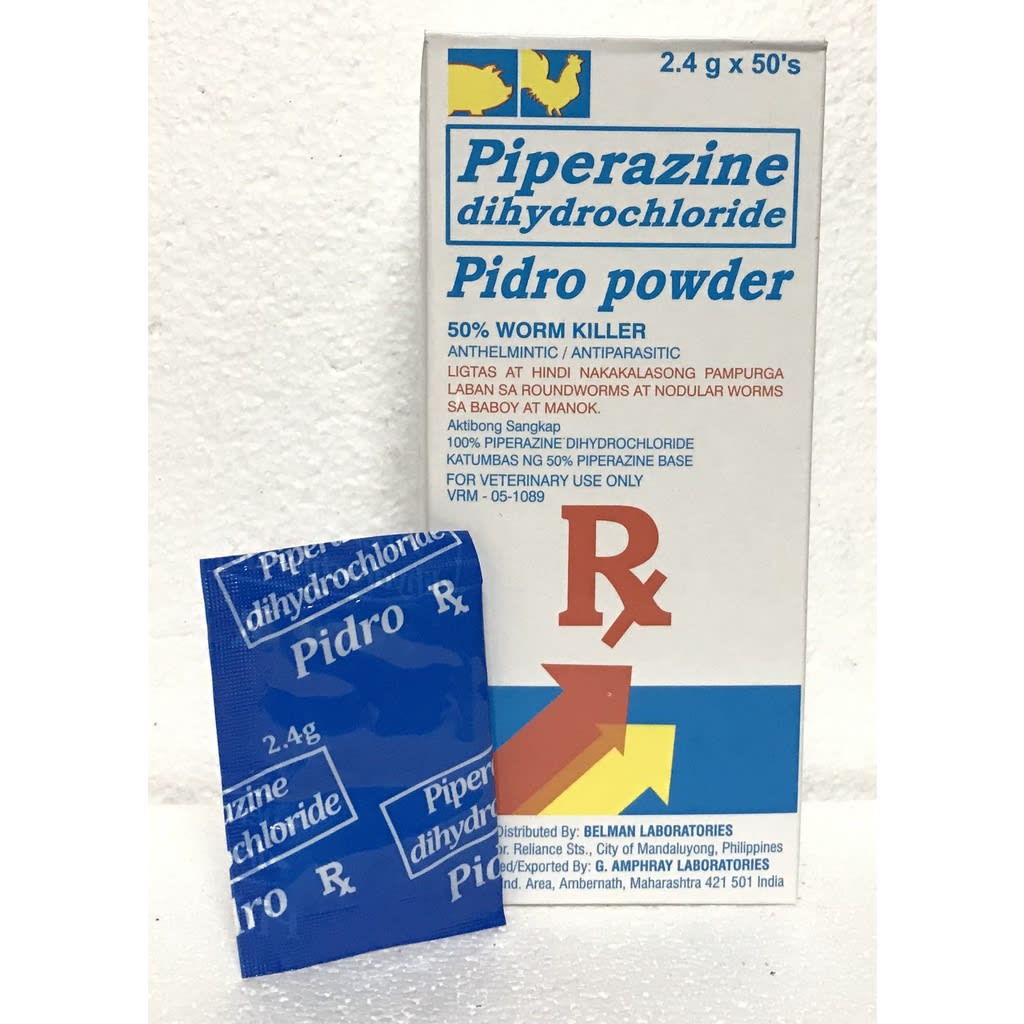
First, check the cat's condition: does it have any diseases, what type of worm does it have, is it underweight, geriatric, or have any renal diseases, or is it currently taking medications, tired, or weak? Isolate the cat with worms in a cage that is wide enough for it to move around to prevent contamination of the environment and other cats with worm eggs. Regularly treat the cage with diluted bleach and ensure the wastewater is drained properly.
The packaging recommends stopping current medications or supplements when taking this dewormer to prevent stressing the cat too much. If the cat currently has any diseases, consult a higher-year veterinary student, veterinary books, or a municipal veterinarian before administering the dewormer. If the cat's condition is viral, giving a dewormer might weaken its immune system further. Instead, focus on nutrition and supportive care.
Only choose Piperazine if you have determined the type of worm in the stool is roundworms or nodular worms. Roundworms are long and white. For other types of worms, you will need a different dewormer or a combination of both. If the cat is underweight and very thin, try to increase its weight first with healthy food, especially if it is a shy one, to prevent it from running out of food from other cats.
According to a veterinary drug handbook, if the cat is weak, you can reduce the dosage by half. However, consult the packaging manual for the proper dosage, as there are different brands and compounds of Piperazine. Always check for drug interactions in the veterinary drug handbook.
To measure the dosage:
Weigh the cat. For example, if the cat is 2 kg, give about 0.4 grams of Pidro powder, based on the directions of 0.2 grams per kg.
Use a clean measuring spoon. If you have a smaller spoon, use it, but if not, a 1-gram spoon will do.
Compress the salts slightly to eliminate spaces between the particles.
Using a knife, level the spoon to get exactly 1 gram.
Divide the salts. For a 2 kg cat, you need 0.4 grams. You can use a knife to carefully halve the 1 gram of salt to get approximately 0.5 grams. Then, reduce it further to get closer to 0.4 grams.
For more accuracy, use a laboratory or cooking scale. If using a syringe for measurement, note that it may not work well due to the size of the salt particles. Once measured:
Pour the salts into a small container.
Add purified or distilled water using a 3 ml needleless syringe.
Mix well to dissolve the salts completely.
Aspirate the solution into the syringe, ensuring all liquid is collected. You can add more water to dissolve any remaining salts.
Administering the medication:
Hold the cat’s head with your non-dominant hand, raise it slightly, and insert the syringe tip into the side of the mouth until it bypasses the teeth.
Push the medication at the right speed.
If the cat struggles, wrap it in a towel or get help from another person.
For street cats, take precautions as you do not know their health status or behavior. Wear protective gloves and use specialized cages.
After administration:
Monitor the cat for an hour for signs of overdose.
Prepare an antidote as listed in the veterinary drug handbook, although this may not be feasible if you are on a tight budget.
Note that the chance of overdose through oral medication is lower, and it is less invasive.
Please consult the veterinary drug handbook for signs of overdose. If the reaction is severe, seek veterinary help for an antidote. Otherwise, provide supportive care.
Additionally, it is crucial to ensure that the environment where the cat is treated is kept clean to prevent reinfestation. Regularly wash the cat's bedding and any areas where the cat spends time. If possible, keep the cat indoors until the treatment is complete and the worms are gone.
To prevent future worm infestations, maintain a regular deworming schedule as recommended by your veterinarian. Regular check-ups and fecal exams can help detect any early signs of worms, allowing for timely treatment.
Finally, while Piperazine is effective for roundworms and nodular worms, it's essential to know that not all dewormers are suitable for all types of worms. Always make sure to identify the specific type of worm infestation and use the appropriate medication. Consult a veterinarian if you're unsure about the type of worms or the correct treatment to use.
References:
Piperazine packaging manual
Veterinary Drug Handbook
YouTube
About the Creator
Keep reading
More stories from Jan Angelo Maghinang and writers in Petlife and other communities.
How to take care of your cat
Feed them natural food, not commercial dry powdered foods. Although natural foods involve more preparation, it really doesn't with the right steps. You can prepare a lot of natural cat food and store it in the fridge or freezer. When storing it in the freezer, be sure to put it in separate containers. You can also mix a little bit of vinegar or wine if storing it in the fridge to make it last longer. Note that storing it longer will also decrease the nutrition, taste, texture, and aroma of the food. If the cats are not spoiled or native, they'll still eat it anyway. Only mix probiotics and vitamins when you're ready to give the food. You can search on Google for foods that aren't allowed for cats and foods that are appetizing to cats. I usually mix the food with allowed fruits and veggies. Not to add too much because they won't eat it. I also mix meat stock, rice, and some commercial cat food to save more money and increase nutrition, thereby preventing diseases and veterinary expenses. When I can't give them anything, I give them rice with soy sauce mixed with a little bit of malunggay. Cats have little kidneys, so don't give them soy sauce often, which is high in sodium. It said on Google that grinded pumpkin seeds can get rid of worms, but I haven't tested it. If youre planning to give it, though, be sure to test it first on one cat and a very small amount, then monitor for the cats behavioral changes. Same procedure when introducing other types of food. If effective, maintain the diet so the worms will be completely eradicated and nutrition levels maintained. Also, clean the cage with Clorox to remove the eggs on the surfaces so the worms won't come back to the cat.
By Jan Angelo Maghinang2 years ago in Petlife
The Ones Left Behind:
Shelters overflow every week with wagging tails and hopeful eyes. The young ones—the puppies and kittens—disappear within hours, scooped up by families eager for a blank slate. The old ones stay behind. They wait days, then weeks, often in silent confusion, still listening for footsteps they recognize.
By Dr. Mozelle Martin6 days ago in Petlife
Velveteen Lop Rabbit Lifespan Size Color Diet and Interesting Facts
As we know when people assume Velveteen Lop Rabbit many time the sweet story of the Velveteen Rabbit comes to mind. The name of this breed is not taking from any rabbit, but the book The Velveteen Rabbit have a very cute, sociable, and friendly nature.
By Rabbits Advisor5 days ago in Petlife




Comments
There are no comments for this story
Be the first to respond and start the conversation.