
Understanding Your Cat’s Personality
Your Cat's Unique Personality

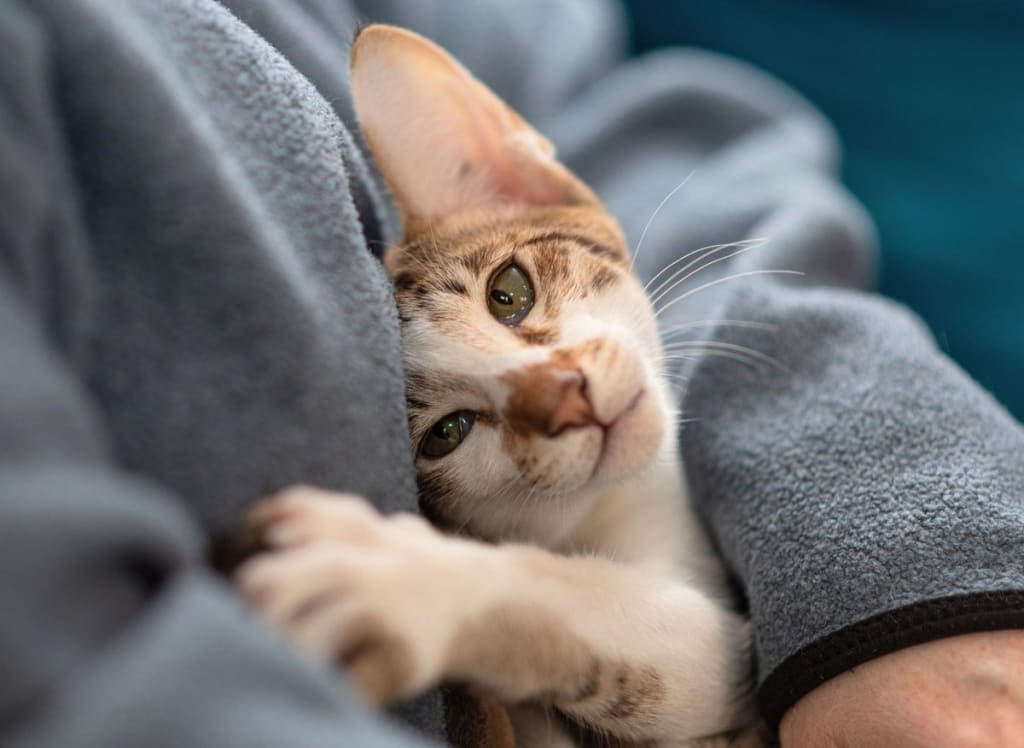
Cats have always been associated with independence, mysterious aura and even quirkiness most especially because they can be very aloof, but each cat is an individual. As with people, cats are individuals with characters that determine how they act and react to what goes on around them, and their owners. Knowing your cat personality is very important in coming up with a good cat-human relationship. It makes it easier for you to understand their behavior, how to attend to them and ensure your cat is comfortable and content within the environment.
Different Cat Personality Types
Of course, every person has one or another type of temperament, and the same can be said about cats – they also have different temperaments. Although each cat is an individual, some common personality types are often observed in felines:
1) The Independent Explorer: These cats are great lovers of adventure, they thus like walking around the neighborhood on their own. They are self-assured, perseverant, and into outdoor activities or exploring new areas in your house. They are often not very calm, maybe not even cuddly and they love toys and active games.
2) The Affectionate Companion: They also need interaction with people and their preferred position is right by the side of their owner. They may follow you from room to room in your house, climb up onto your lap, and even look for affection. Cats with this personality type like to be around people and will be seen purring close to an owner. They are likely to be involved in play such as using your body to pat, hug or cuddle them when you are tired or sleepy.
3) The Shy and Reserved Cat: Essentially there are some cats which are timid and are simply inclined to be less active than other breeds. They like to stay in places with low noise level and may even seek to sneak away when their owners have visitors. A shy cat is one that is slow to accept change in people or things around them especially new persons. However, if you manage to gain their trust they become loyal and demonstrate care towards the individuals they trust. One has to be patient with a shy cat since putting pressure on the animal intensifies its nervous response.
4) The Playful Kitten at Heart: These cats are playful all the time regardless of their age. They enjoy playing with balls, running around catching shadows, and doing other things that most cats love to do – pursuing their prey. I noted that playful cats are happy in homes with lots of playthings and toys including teasers, toys for scratching, and trees for climbing. Sometimes they may be hyperactive and may require other special avenues to channel their energy.
How do you determine all the moods and traits of your cat?
I have already mentioned that understanding your cat’s personality is the key to recognizing their habits and preferences. Pay attention to the following aspects:
1) Interaction with Humans: Is your cat initiating physical contact by rubbing its head against you or at least asking for affection or is your cat fixated on staying away from you and remains alert? An overly active cat that will always approach the owner is considered more sociable and receptive than an aloof cat which will rarely or never approach the owner.
2) Reaction to New Environments: Is your cat different while being taken to a new place or new objects are placed into the house or flat? The Cat that is curious and self ASSERTIVE will begin to explore as soon as it is let out, any cat that is shy or afraid will seek cover until it feels ready to come out to play.
3) Playfulness: There are certain differences in the level of activity in different cats. Playing involve chasing toys, hide and seek or pouncing on any object in the room then your cat is more playful and active. Cats that do not like to play may simply love to lie down, sleep or observe the world go round from the window.
4) Vocalization: That is why cute cats are capable of communicating through vocalization. Some cats are much more ‘chatty’ and will be meowing to be fed or to get attention, or just because they want to ‘chat.’ Some are active and vocal, and will speak quite a lot while others only talked when they needed to be fed, for instance. An active cat may be of a different temperament to a calm cat or depend on its mood, etc.
Relating to Your Cat’s Temperament
If your cat’s personality is better understood, you will be able to change your own behavior and the conditions required for its needs. For one, the various types of personalities are best handled in terms of how to play and even care for them.
1) For Independent Cats: Ever let them have the chance they require to wander and sulk. Even though these cats do not really look for attention it is crucial to look for ways through which they have to interact with you. If possible ensure their toys are interactive, gymnastic structures, and outdoor facilities for the captive animals. It makes them comfortable to approach you when they want to do so without forcing them to show affection.
2) For Affectionate Cats: All these cats require a lot of attention, so give as much pats, hugs and play with the fur babies as possible. They love structure, so try and fit the bonding in within normal daily activities. Words that described the behaviors of affectionate cats include, purring, cuddling, or playing with toys, therefore cats require physical contact with the owners to be happy.
3) For Shy Cats: When handling a shy or reserved cat then one needs to adopt a lot of patience. Sometimes children just need a safe and quiet corner to run to if they feel that things are too much for them. Eventually with time and once you start engaging them gently and subscribing to their lines of how much they trust you then you’ll find that they’re okay. Sleek animals need little disturbance and hence require least interference with changes that might discomfort the animal.
4) For Playful Cats: Ensure there are as many toys and areas for your child to safely roam around in as is possible in the house. Cats are in themselves active and have a lot of energy that needs to be spent in order to keep them happy. This energy must be released and they should be taken for playtime frequently, also their toys should be change often.
What We Should Know About Pondering the Cat’s Space
Regardless of the personality of your cat, you should never cross the line with them no matter how much you love them. If you try to make a shy cat to start to play or pay attention more an independent cat, it will also result in stress and other behavioral problems. In the same way as people, cats just occasionally can get their space and time to get a good sleep.
This means understanding your cat’s personality and do everything to ensure the environment supports the feline. This will over time deepen the relationship as opposed to having a lot of conflict within the relationship; thus making the relationship happier, healthier and more trustworthy.
Conclusion
It for this reason that one has to understand their cat personality to offer it the kind of environment and treatment that is most suitable for it. Whether your cat is destructive, vocal, aloof or playful, a positive change in your demeanor as you respond to their body language will make each other happy. Simply paying attention to them, attending to some of their calls and most importantly avoiding crossing those physical barriers that have been set by the cat, helps the cat develop a close bond with you.
About the Creator
RJB
I love cats. Opinions are my own. This is my just-for-fun profile and share ideas! My official Profile
Off the Leash: The Essential Gear Guide for Adventurous Dogs
There’s something wildly freeing about unclipping the leash and letting your dog move the way they were built to. If you’re hiking in areas that truly allow off-lead exploration, your gear list shifts. No harness. No leash dragging through dust. Instead, it’s about smart, lightweight essentials that keep your dog safe, hydrated, and easy to manage when adventure gets messy. Long walks off lead are less about control and more about preparation.
By Shabbir Ahmad5 days ago in Petlife
Top tipple tricks
Been thinking a lot about drinking, lately. Not least because of a recent episode of over-indulgence and the inevitable after effects. Some readers may recall the earlier articles I wrote about beating the booze. Here I set out an experiment in techniques for cutting down on my alcohol intake. The experiment was successful, the techniques worked, and I have armed myself with an arsenal of weapons in the war against the demon drink. I have yet to fire the first round however. It's all a question of timing (perhaps procrastination).
By Raymond G. Taylor5 days ago in Psyche




Comments
There are no comments for this story
Be the first to respond and start the conversation.