
training a aggressive dog
how to train an Aggressive Dog
training a aggressive dog
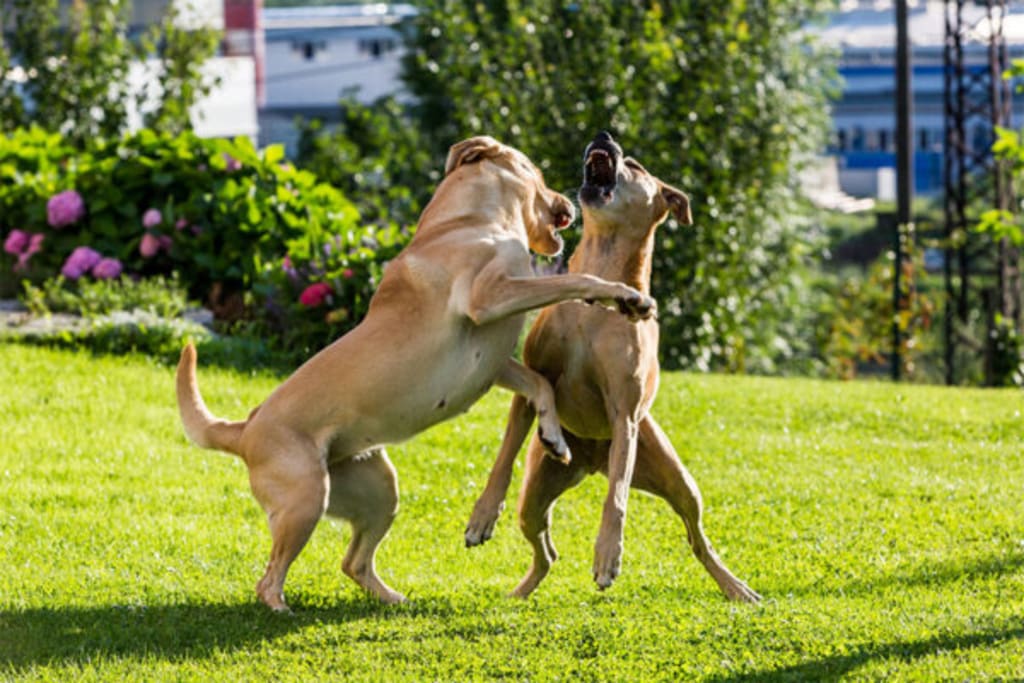
Training an aggressive dog can be a daunting challenge, but with the right approach and patience, most aggressive behavior can be improved or even completely eliminated. Whether your dog is growling at strangers, lunging at other pets, or snapping when provoked, the key to effective training lies in understanding the underlying causes of aggression and addressing them with consistency, positive reinforcement , and dedication.
In this article, we’ll walk you through the steps you can take to help your dog overcome aggression and develop a calmer, more obedient behavior. The journey might take time, but with persistence, you’ll see improvements in your dog’s temperament and behavior.
Understanding Dog Aggression: What Causes It?
Before jumping into training methods, it’s crucial to understand why dogs act aggressively. Aggression is often a response to perceived threats, fear, frustration, or anxiety. Identifying the root cause will help you target the right training techniques and avoid misunderstandings.
1. Fear-Based Aggression
One of the most common reasons for aggressive behavior in dogs is fear. Dogs that are frightened often react by becoming defensive. This is especially common in rescue dogs or dogs that have experienced abuse or neglect in the past. Fearful dogs may show aggression toward unfamiliar people, animals, or situations because they view them as a threat.
2. Territorial Aggression
Some breeds are naturally more territorial and protective of their home and family. This can lead to aggression when strangers approach the home, or when another dog comes too close. Territorial aggression can also be triggered by changes in the home, like a new pet or moving furniture.
3. Resource Guarding
Dogs often exhibit aggressive behavior over their food, toys, or space. This is called resource guarding, and it occurs when a dog feels possessive or protective of something they deem valuable. If someone tries to take away their food or belongings, the dog may resort to growling, snapping, or biting to protect the item.
4. Pain or Medical Conditions
Aggression can also stem from physical pain or discomfort. Dogs with untreated injuries or chronic health issues may become irritable or aggressive when touched in certain areas. Common conditions that can contribute to aggression include arthritis, dental pain , and ear infections .
5. Lack of Socialization
Dogs that haven’t been properly socialized during their early developmental stages may struggle with new experiences, people, or animals. This can lead to fearful or defensive aggression when they encounter unfamiliar situations.
Recognizing the Signs of Aggression
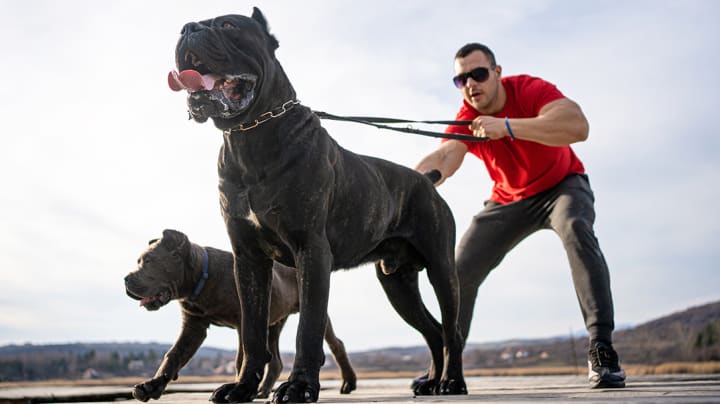
Aggression in dogs always means that they will bite right away. Often, there are warning signs that precede aggressive outbursts. Recognizing these early warning signals can help you prevent aggression from escalating and allow you to intervene before things get out of hand.
Watch for the following signs:
- Growling or snarling—A dog’s way of signaling discomfort.
- Tense body language—If your dog is holding its body stiff or rigid, it’s a sign that it’s preparing to react.
- Baring teeth – This is a clear signal that the dog feels threatened.
- Raised hackles – When a dog’s fur stands on end, it can indicate aggression.
- Lunging or snapping – These actions may be defensive or an attempt to control the situation.
If you notice any of these signs, don’t immediately punish your dog. Instead, take a step back and address the situation calmly. Aggressive behavior is often a result of fear or anxiety, and responding with anger will only make things worse.
Steps to Take When Training an Aggressive Dog
Training an aggressive dog requires patience, consistency, and a calm demeanor. With the right methods, you can help your dog become more confident and less reactive to triggers. Here are the steps to begin:
1. Create a Safe and Calm Environment
Reducing the potential for triggering aggressive behavior is an essential first step in training. Minimize your dog’s exposure to situations that trigger aggression, especially during the early stages of training. For example, if your dog becomes aggressive when people come to the door, consider using baby gates or crates to give your dog a safe, quiet space where it can relax.
2. Focus on Basic Obedience
Even though aggression may seem like the primary issue, addressing basic obedience is essential. Start by teaching your dog simple commands like sit , stay , and come . These basic commands build trust and communication between you and your dog, which will make it easier to address more complex behavioral issues later on.
Begin in a quiet, controlled environment with no distractions. Use positive reinforcement techniques, such as treats , praise, or toys , to reward your dog when it follows commands. The goal is to create positive associations with listening to you , so your dog will respond better when it’s in a stressful situation.
3. Implement Positive Reinforcement
Positive reinforcement is the cornerstone of effective dog training. It involves rewarding your dog for good behavior rather than punishing it for bad behavior. When your dog responds to a command or displays calm behavior in a triggering situation, reward them immediately with a treat or praise.
This technique helps your dog learn that calm behavior leads to positive outcomes, which encourages them to repeat the behavior. For instance, if your dog remains calm when someone approaches the door, give them a treat or praise. Over time, they’ll associate the presence of strangers with positive rewards instead of feeling the need to be aggressive.
4. Use Desensitization and Counter-Conditioning
Desensitization is the process of gradually exposing your dog to its triggers at a low intensity until it becomes accustomed to the situation. For example, if your dog reacts aggressively to other dogs, start by exposing them to a calm dog at a distance where your dog feels safe. Gradually decrease the distance as your dog becomes more comfortable.
Counter-conditioning is another technique where you change your dog’s emotional response to a trigger. For example, if your dog becomes aggressive when they see another dog, you might start by rewarding calm behavior with treats when your dog notices the other dog from a distance. Over time, this will help your dog associate other dogs with positive experiences.
Top Tip: Try Brain Training For Dogs Program
If you’ve been working on your dog’s behavior for a while and you’re still struggling to manage their aggression, it might be time to try brain training for dogs (Click Here) .
Brain training program are designed to engage your dog’s mind, which can help alleviate stress, anxiety, and other behavioral problems, including aggression.
Brain training exercises focus on mental stimulation, which helps tire your dog out and keep them focused on something positive. The more mentally engaged your dog is, the less likely they are to act out aggressively. These types of exercises are a great way to improve your dog’s focus, impulse control, and obedience.

Some key benefits of brain training for dogs include:
- Reduced anxiety and stress – Mental stimulation helps calm anxious dogs, which can reduce aggressive tendencies.
- Improved focus and obedience – As your dog’s brain is challenged, they learn to focus better and listen to commands.
- Increased confidence – Dogs that participate in brain games build confidence in themselves and their surroundings, which can reduce fearful or territorial behavior.
There are plenty of online courses and resources for dog owners who want to engage their dogs in brain training. These programs offer various fun activities and challenges that are easy to incorporate into your daily routine. Whether it’s puzzle toys, scent games, or obedience exercises, these brain training activities can make a big difference in reducing your dog’s aggressive behavior.
Conclusion: Patience is Key
Training an aggressive dog is a long-term commitment, but the rewards are worth it. With patience, consistency, and the right approach, your dog can learn to manage its aggression and become a more well-behaved companion. Remember, every dog is different, and progress may take time.
By focusing on positive reinforcement , socialization, brain training , and patience , you’ll help your dog gain confidence and reduce aggressive behaviors. And above all, remember that your dog is a beloved family member, and with your help, they can overcome their fears and learn to live harmoniously with others.
Let me know if you need further changes!
About the Creator
Keep reading
More stories from Thomas Darwin and writers in Petlife and other communities.
How to Train a Puppy Not to Bite
How to Train a Puppy Not to Bite: A Complete Guide for New Dog Owners Bringing home a new puppy is pure magic. Those tiny paws, big eyes, and boundless energy are enough to make anyone’s heart melt. But along with the cuteness comes a common challenge puppy biting.
By Thomas Darwin10 months ago in Petlife
The Summer I Was Chosen by a Northern Mockingbird
During the long, suspended days of the pandemic, a wild mockingbird began visiting my driveway and chose me, again and again. What started as a strange encounter became a brief, meaningful connection that I still carry with me.
By Erica Roberts 22 days ago in Petlife
The Chihuahua Who Guarded the Night
On Maple Street, nothing unusual ever happened. The houses looked the same, the mornings smelled like coffee and toast, and the evenings were so quiet that the wind rustled through the trees. This was the kind of place where surprises didn’t belong.
By Paw Planet about 17 hours ago in Petlife




Comments
There are no comments for this story
Be the first to respond and start the conversation.