
How to Train a Puppy Not to Bite
Stop puppy biting Guide

How to Train a Puppy Not to Bite: A Complete Guide for New Dog Owners
Bringing home a new puppy is pure magic. Those tiny paws, big eyes, and boundless energy are enough to make anyone’s heart melt. But along with the cuteness comes a common challenge puppy biting.
At first, those little nibbles might seem harmless, even adorable. But as your puppy grows, those playful bites can become painful and problematic if not properly managed. The good news? You can teach your puppy not to bite without harsh punishments or fear-based techniques.
In this guide, we’ll walk you through everything you need to know: why puppies bite, how to gently stop it, common mistakes to avoid, and what to do if things aren’t improving.
Let's jump in your future well-behaved dog is counting on you!
Why Puppies Bite in the First Place
To train your puppy effectively, it’s important to understand the reasons behind their biting. Puppies don't bite out of malice; it's a completely normal part of their development. Here's why:
1. Teething Pain
Puppies, like human babies, experience teething discomfort. Between the ages of 3 to 6 months, their baby teeth fall out, and adult teeth start coming in. Chewing and biting help soothe their sore gums.
2. Exploration and Curiosity
Puppies explore the world primarily through their mouths. It’s how they learn about different textures, tastes, and reactions. Your hands, clothes, shoes — they’re all fascinating to a young pup.
3. Play and Social Learning
In a litter, puppies constantly play-bite each other. Through this roughhousing, they learn critical social lessons, such as how hard is too hard. If a bite hurts a sibling, the bitten puppy will yelp and stop playing. This feedback teaches bite control.
4. Attention-Seeking Behavior
Sometimes, puppies bite simply because it gets a reaction. Whether you laugh, scold, or move quickly, you’re giving them attention and to a playful puppy, any attention can be rewarding.
Understanding these root causes helps you train your puppy more patiently and effectively.
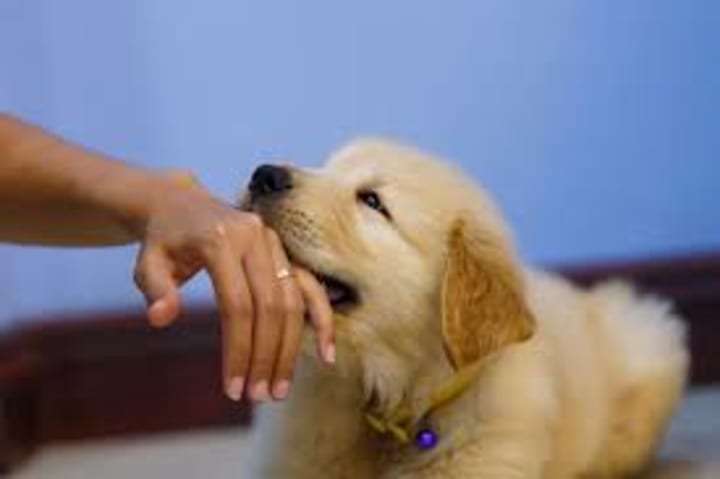
How to Train a Puppy Not to Bite: Step-by-Step
Now, let’s dive into the actual training process. Success doesn’t come from one magical technique — it comes from consistent, loving guidance over time.
1. Teach Bite Inhibition
Bite inhibition is about teaching your puppy to control the force of their bite. Puppies need to learn that human skin is extremely sensitive.
How to do it:
Let out a yelp when your puppy bites too hard — a sharp “Ouch!” or “No!” works.
Stop playing immediately. Stand up, fold your arms, and turn away. This shows that biting ends all fun and attention.
Resume play after a short pause, but if your puppy bites hard again, repeat the yelp and withdrawal.
Consistency is key. Over time, your puppy will start biting more softly or stop altogether during play.
Pro Tip: If your puppy gets overly excited and keeps biting, consider giving them a short "time out" in a puppy-safe area for a few minutes.
Keeping your puppy’s mind active can make a huge difference in how quickly they outgrow their biting phase.

Pro Tip: Help Stop Puppy Biting with Brain Training for Dogs
Puppies often bite because they’re bored or full of energy. One of the best ways to fix this is by giving them more mental stimulation.
A great resource for this is the Brain Training for Dogs program. It’s full of fun, simple games that teach your puppy self-control and focus helping to naturally reduce biting and other bad habits.
👉 Check out Brain Training for Dogs here.
2. Redirect to Chew Toys
Instead of just punishing the bad behavior, show your puppy what you want them to chew.
When your puppy starts biting:
Offer a chew toy, like a soft rope toy or a teething ring.
Praise and reward them when they chew the toy instead of your hand.
Make sure your home is full of safe, engaging chew options so your puppy never runs out of good choices.
Helpful tip: Rotate toys every few days to keep them exciting.
3. Reward Calm, Gentle Behavior
- Positive reinforcement is incredibly powerful.
- Whenever your puppy:
- Plays gently
- Responds to redirection
- Chews appropriate toys
- Sits calmly instead of biting
- Reward them immediately with treats, petting, or praise. Puppies quickly learn to repeat behaviors that earn them good things.
4. Set Clear Boundaries
If your puppy gets mouthy during cuddles, putting on a leash indoors can help you gently guide them away when needed. Set clear limits early: "Mouths are for toys, not for humans."
Avoid encouraging rough play (like hand wrestling) that makes biting seem like a game.
5. Provide Plenty of Physical and Mental Exercise
A tired puppy is a good puppy!
Many biting issues stem from excess energy or boredom. Make sure your puppy gets:
- Regular walks (appropriate for their age)
- Play sessions
- Puzzle toys
- Basic obedience training
- Keeping their mind and body busy reduces unwanted behaviors like nipping.
What Not to Do: Common Mistakes to Avoid
When trying to stop biting, certain reactions can accidentally make the problem worse. Here’s what to avoid:
1. Don’t Use Physical Punishment
Hitting, smacking, or pushing your puppy away can create fear, not respect. Fearful dogs are much more likely to develop serious aggression later.
Always choose gentle correction and positive reinforcement.
2. Don’t Yell or Chase
Yelling often excites puppies even more — they think you're joining in the game. Chasing them after a bite can also seem like a fun activity.
Stay calm, and remove your attention instead. Quiet, clear reactions are far more effective.
3. Don’t Ignore Exercise Needs
Pent-up energy has to go somewhere. If your puppy isn't getting enough exercise, biting and rough play are often the result.
Daily walks, training sessions, and fun games help prevent boredom-related nipping.
Extra Techniques to Speed Up Training:
Here are a few more powerful techniques you can use if you want to speed up the process:
Use a Bitter Spray
Some dog-safe sprays taste terrible but are completely safe. If your puppy keeps biting furniture, shoes, or cords, spraying a deterrent can help stop the behavior naturally.
Popular options: Bitter Apple Spray, Bitter Cherry, or DIY vinegar sprays.
Teach the “Leave It” Command
Teaching Leave it early on can help redirect your puppy from biting hands, shoes, or anything they shouldn’t have in their mouth.
- Start simple:
- Hold a treat in a closed fist.
- When your puppy sniffs or nips, say "Leave it."
- When they pull away or stop, reward with a different treat from your other hand.
Gradually use this command in more situations.
Controlled Puppy Play Dates
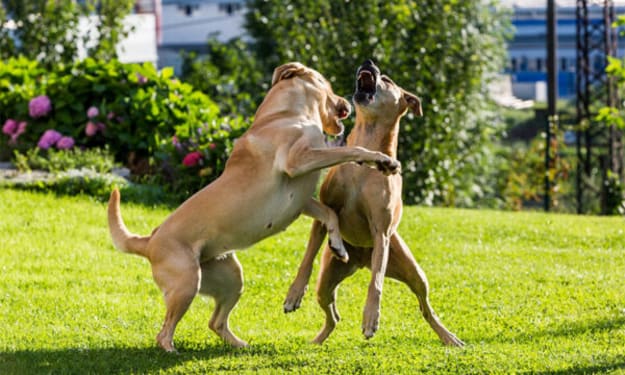
Allowing puppies to socialize with other calm, well-behaved dogs teaches valuable lessons about bite control. Just ensure the interactions are supervised and positive.
How Long Does It Take to Train a Puppy Not to Bite?
This depends on several factors:
Age: Very young puppies (under 12 weeks) are still learning everything.
Breed: Some breeds are naturally more mouthy (like retrievers and herding breeds).
Consistency: If every person who interacts with your puppy uses the same techniques, progress is much faster.
On average, most puppies significantly improve between 4 to 6 months of age, with consistent, patient training. Some may need a bit longer and that’s okay!
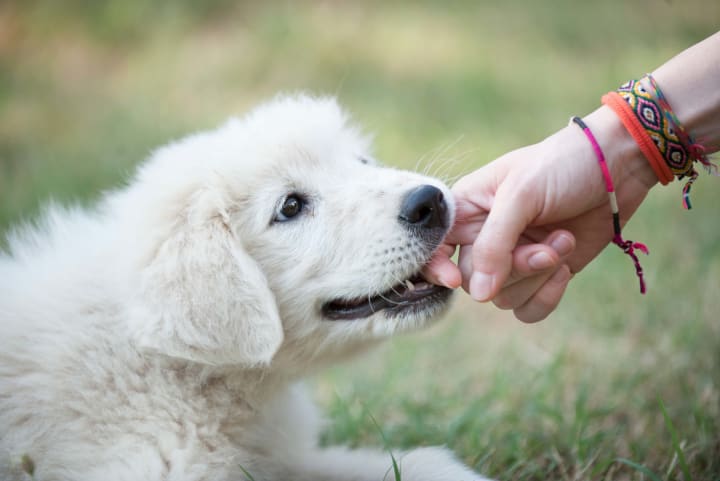
What If My Puppy’s Biting Seems Aggressive?
If your puppy growls, snarls, snaps, or bites with genuine aggression (stiff body, hard stare, raised hackles), it’s important to seek professional help.
Contact a certified dog trainer or a veterinary behaviorist who uses positive reinforcement techniques. Early intervention can prevent future problems.
Remember, true aggression is rare in puppies most biting is playful and exploratory. But trust your instincts if something feels "off."
Final Thoughts: Patience Is Everything
Training a puppy not to bite is one of the most important investments you’ll make in your dog's future. It teaches them to be safe around people, children, and other dogs, and it strengthens the bond between you and your pup.
Just remember:
- Be consistent
- Stay patient
- Celebrate small victories
Your puppy isn't trying to be bad, they're trying to learn. With your gentle guidance, they’ll grow into the wonderful, well-mannered companion you’ve been dreaming of.
Enjoy the journey. These puppy days may be challenging at times, but they’re over before you know it, and every bit of work you put in now will pay off for years to come.
About the Creator
Keep reading
More stories from Thomas Darwin and writers in Petlife and other communities.
training a aggressive dog
training a aggressive dog Training an aggressive dog can be a daunting challenge, but with the right approach and patience, most aggressive behavior can be improved or even completely eliminated. Whether your dog is growling at strangers, lunging at other pets, or snapping when provoked, the key to effective training lies in understanding the underlying causes of aggression and addressing them with consistency, positive reinforcement , and dedication.
By Thomas Darwin10 months ago in Petlife
The Summer I Was Chosen by a Northern Mockingbird
During the long, suspended days of the pandemic, a wild mockingbird began visiting my driveway and chose me, again and again. What started as a strange encounter became a brief, meaningful connection that I still carry with me.
By Erica Roberts 22 days ago in Petlife
The Chihuahua Who Guarded the Night
On Maple Street, nothing unusual ever happened. The houses looked the same, the mornings smelled like coffee and toast, and the evenings were so quiet that the wind rustled through the trees. This was the kind of place where surprises didn’t belong.
By Paw Planet about 15 hours ago in Petlife
📢 Raise Your Voice Thread: 02/05/2026
Our “Raise Your Voice Threads” are hosted most alternating Thursdays at 12PM ET to offer creators more avenues to uncover exceptional stories on Vocal. As we are continuously searching for fresh creators and inspiring stories, this thread provides an opportunity to exchange and discuss the stories that have moved and motivated us on Vocal.
By Raise Your Voice by Vocal6 days ago in Resources


Comments
There are no comments for this story
Be the first to respond and start the conversation.