
Think You Can't Train a Cat? Think Again!
Transform Your Cat's Behavior: Practical Advice for Effective Training

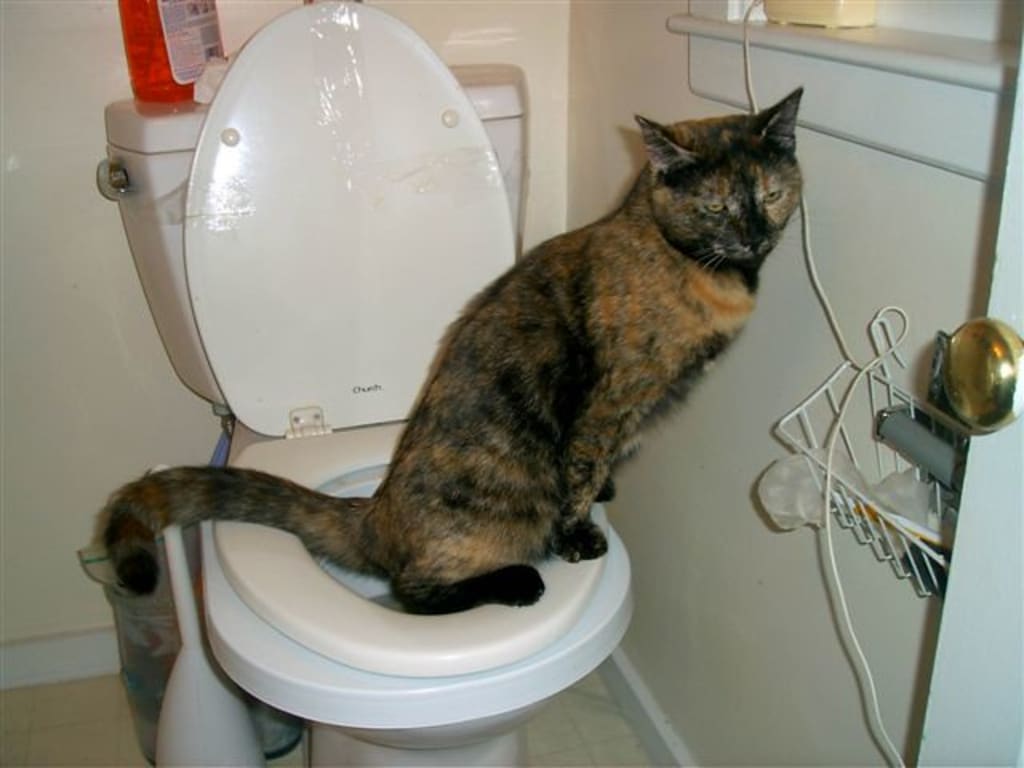
Cats are often viewed as independent creatures that are difficult to train, but is that really the case? Contrary to popular belief, cats can be trained to do many things, including following basic commands and performing tricks. While it may take some patience and persistence, training a cat is definitely possible.
Why train a cat?
Many people believe that cats cannot be trained because they are independent creatures that do what they want. While cats may have a more independent nature than dogs, they can still benefit from training. Training can help prevent destructive behavior, improve their physical and mental health, and strengthen the bond between the cat and their owner.
One of the most common reasons people train their cats is to prevent destructive behavior, such as scratching furniture or urinating outside of the litter box. By training your cat to use a scratching post and a litter box, you can save your furniture and carpets from damage.
Training can also provide mental stimulation for your cat, which can help prevent boredom and reduce the risk of behavioral problems. It can also improve their physical health, as some training exercises involve physical activity that can keep your cat fit and healthy.
Training can also strengthen the bond between you and your cat. Cats are social animals that enjoy spending time with their owners, and training can provide an opportunity for you to spend quality time with your cat and build a stronger relationship.
How to train a cat
Training a cat requires patience and persistence, but it can be done. The key to training a cat is to use positive reinforcement, which involves rewarding your cat for good behavior rather than punishing them for bad behavior.
The first step in training a cat is to establish a routine. Cats thrive on routine, so it's important to establish a regular feeding, play, and training schedule. This will help your cat understand what is expected of them and make training easier.
Once you have established a routine, you can start training your cat using treats, praise, and affection. For example, if you want to train your cat to come when called, you can call their name and then reward them with a treat or praise when they come to you. Repeat this process several times a day until your cat starts coming to you on command.
Another common behavior to train a cat is to use a scratching post instead of furniture. To do this, you can place the scratching post near the furniture your cat likes to scratch and encourage them to use it by rubbing catnip on it or dangling a toy from it. When your cat uses the scratching post, reward them with a treat or praise.
Training your cat to use a litter box is also important, especially if your cat has a habit of urinating outside of the litter box. To do this, place the litter box in a quiet, private location and show your cat where it is. When your cat uses the litter box, reward them with a treat or praise.
While cats can be trained to do many things, it's important to remember that they have individual personalities and may not respond to training in the same way as other cats. Some cats may be more receptive to training than others, and it's important to respect their boundaries and not force them to do anything they are uncomfortable with.
Conclusion
In conclusion, training a cat is definitely possible with patience and persistence. Training can help prevent destructive behavior, improve your cat's physical and mental health, and strengthen the bond between you and your cat. The key to training a cat is to use positive reinforcement and establish a routine. With time and effort, you can train your cat to follow basic commands and even perform tricks. Remember to be patient and consistent, and respect your cat's boundaries.
Thank you for taking the time to read this article. I hope you found it informative and helpful, If you enjoyed this article, I would greatly appreciate it if you could take a moment to give it a like and subscribe for more content just like this:)
About the Creator
The Pet Post
The Pet Post, your go-to source for all things pets and animals! With the goal of sharing knowledge and stories about our furry (and not-so-furry) friends.
Keep reading
More stories from The Pet Post and writers in Petlife and other communities.
Is Your Cat Acting Strange? Exploring Unusual Behaviors in Feline Friends
Cats are known for their unique personalities and unpredictable behaviors. While some of their quirks can be amusing, others can be concerning for pet owners. In this article, we will explore some of the most unusual behaviors exhibited by cats and their possible causes.
By The Pet Post3 years ago in Petlife
Understanding the Causes, Symptoms, and Treatment Options for Colitis in Dogs
Colitis in dogs is a common gastrointestinal condition that affects the large intestine (colon). When the colon becomes inflamed, it can lead to uncomfortable and sometimes alarming symptoms for your pet.
By Dominion Valley Animal Hospital7 days ago in Petlife




Comments
There are no comments for this story
Be the first to respond and start the conversation.