
The Unknown Facts About Aye-Aye - Cute and Harmless
Interesting Facts on Aye-Aye

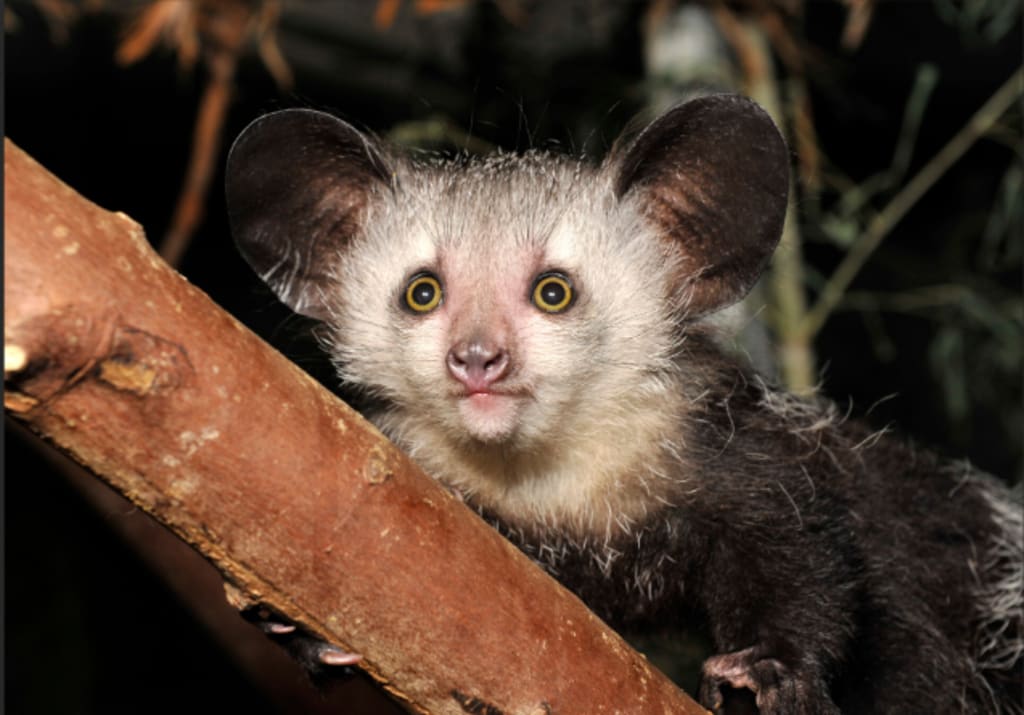
The Fascinating World of the Aye-Aye (Daubentonia madagascariensis)
The Aye-Aye (Daubentonia madagascariensis) is one of the most unique and intriguing creatures in the animal kingdom. Native to Madagascar, this nocturnal primate belongs to the lemur family and has fascinated scientists and nature enthusiasts alike with its peculiar appearance and unusual behaviors. Here are some interesting facts that make the Aye-Aye a standout among the world’s diverse fauna.
Unique Anatomy
One of the most distinctive features of the Aye-Aye is its elongated middle finger. This finger is not just a random anomaly but an essential tool for the Aye-Aye’s survival. It is exceptionally thin and can rotate at an incredible angle, much like a human's finger. This adaptation allows the Aye-Aye to tap on trees and listen for the echo to locate hollow chambers where insects like larvae hide. Once it detects movement, the Aye-Aye gnaws a hole in the wood with its rodent-like teeth and uses its elongated finger to extract the hidden insects. This foraging technique, known as percussive foraging, is unique among primates and is a remarkable example of evolutionary adaptation.
Nocturnal Lifestyle
The Aye-Aye is a nocturnal animal, meaning it is most active at night. It has large, bright eyes adapted to its nighttime activities, giving it excellent night vision. This adaptation is crucial for navigating the dense forests of Madagascar under the cover of darkness. The Aye-Aye spends its nights foraging for food, and its diet is quite varied. It primarily feeds on insects and larvae but also consumes fruit, nectar, and fungi, making it an omnivore.
Mystical and Cultural Significance
In the folklore of Madagascar, the Aye-Aye holds a significant yet ominous place. Many Malagasy people consider the Aye-Aye to be a bad omen or a harbinger of evil. Some myths suggest that if an Aye-Aye points its long finger at someone, it means certain death for that individual. This belief has unfortunately led to the killing of Aye-Ayes, contributing to their endangered status. Conservation efforts are now working to change these perceptions and protect the Aye-Aye from superstition-driven threats.
Conservation Status
The Aye-Aye is currently listed as endangered, primarily due to habitat destruction and human encroachment. Madagascar's forests, which are the Aye-Aye's natural habitat, are being rapidly cleared for agriculture, logging, and human settlement. This deforestation poses a significant threat to the survival of the Aye-Aye and many other unique species that inhabit the island. Conservation organizations are striving to protect these critical habitats through reforestation efforts, the establishment of protected areas, and community education programs to foster coexistence between humans and wildlife.
Remarkable Reproductive Habits
Aye-Ayes have an interesting reproductive cycle. Females give birth to a single offspring after a gestation period of about 170 days. The young Aye-Aye remains dependent on its mother for several months, clinging to her fur and learning essential survival skills. This extended period of maternal care is crucial for the development of the young, ensuring it learns how to forage and navigate the forest effectively.
Misunderstood Appearance
The Aye-Aye’s appearance can be described as a mix between a bat, a monkey, and a rodent, with its large eyes, bushy tail, and perpetually growing incisors. This unusual look has often led to misunderstandings and fear among local populations. However, scientists and conservationists emphasize the importance of the Aye-Aye in the ecosystem. As a predator of wood-boring insects, the Aye-Aye helps control insect populations and contributes to the health of its forest environment.
Conclusion
The Aye-Aye (Daubentonia madagascariensis) is a fascinating creature that exemplifies the extraordinary diversity of life on Madagascar. Its unique adaptations, nocturnal lifestyle, and the myths surrounding it make the Aye-Aye a subject of intrigue and wonder. Protecting this remarkable primate is crucial, not only for preserving a species but also for maintaining the ecological balance of Madagascar's forests. By learning more about the Aye-Aye and supporting conservation efforts, we can ensure that this enigmatic animal continues to thrive in its natural habitat.
About the Creator
Francis C Okoro
"If you learn from defeat, you haven't really lost." - Zig Ziglar
Keep reading
More stories from Francis C Okoro and writers in Petlife and other communities.
The Naked Mole Rat: Nature's Remarkable Underground Marvel
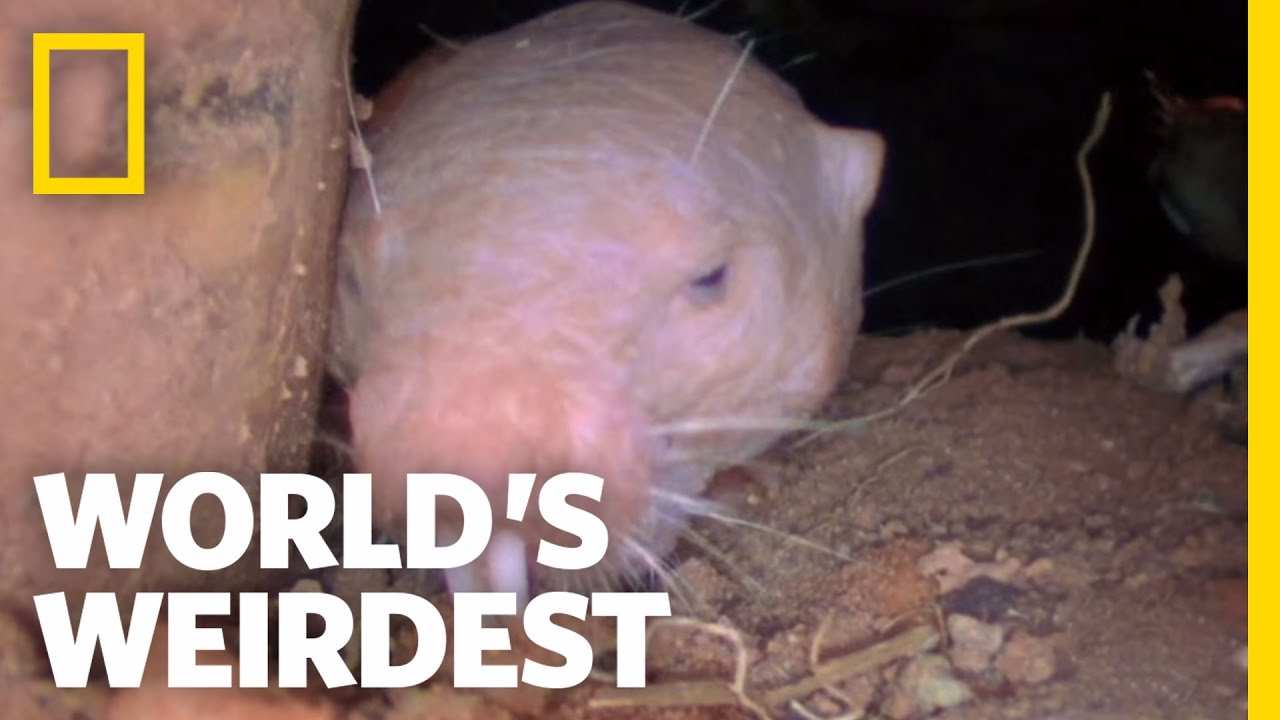
The Naked Mole Rat: Nature's Remarkable Underground Marvel The naked mole rat (Heterocephalus glaber) is a fascinating creature that has captivated scientists and animal lovers alike. Native to the arid regions of East Africa, particularly in parts of Ethiopia, Kenya, and Somalia, these small, hairless rodents are not just unique in appearance; they also exhibit a range of extraordinary biological and behavioral traits. In this article, we will explore the remarkable features and adaptations of the naked mole rat, shedding light on why it is often regarded as one of the most unusual mammals on the planet.
By Francis C Okoro2 years ago in Petlife
Off the Leash: The Essential Gear Guide for Adventurous Dogs
There’s something wildly freeing about unclipping the leash and letting your dog move the way they were built to. If you’re hiking in areas that truly allow off-lead exploration, your gear list shifts. No harness. No leash dragging through dust. Instead, it’s about smart, lightweight essentials that keep your dog safe, hydrated, and easy to manage when adventure gets messy. Long walks off lead are less about control and more about preparation.
By Shabbir Ahmad7 days ago in Petlife
The Ones Left Behind:
Shelters overflow every week with wagging tails and hopeful eyes. The young ones—the puppies and kittens—disappear within hours, scooped up by families eager for a blank slate. The old ones stay behind. They wait days, then weeks, often in silent confusion, still listening for footsteps they recognize.
By Dr. Mozelle Martin6 days ago in Petlife



Comments
There are no comments for this story
Be the first to respond and start the conversation.