
The Ultimate Guide to Raising a Well-Behaved Puppy
A simple and fun step-by-step guide to raising a happy, well-behaved puppy

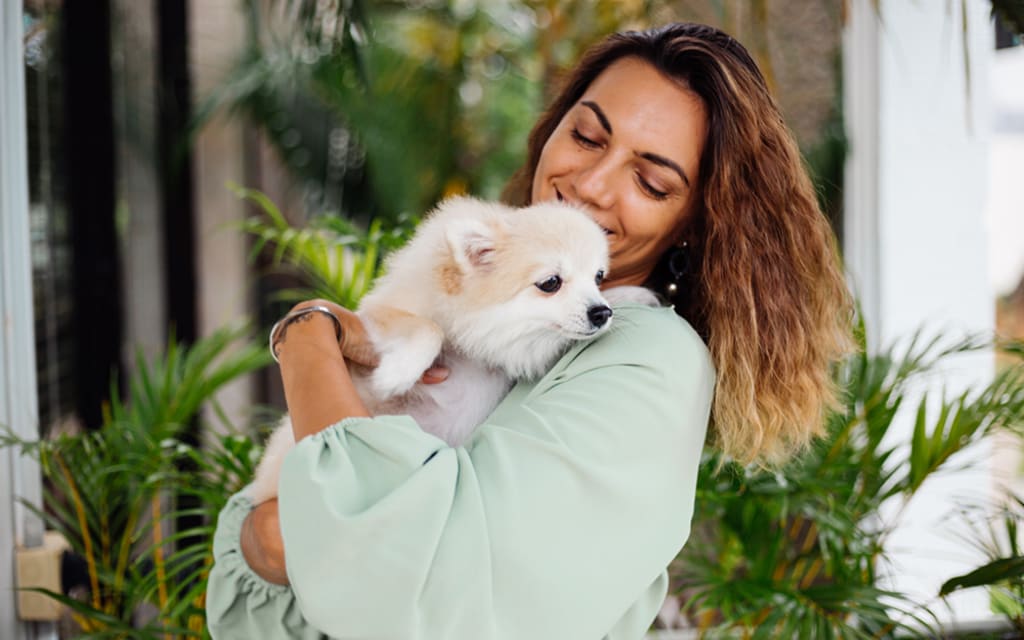
Although it can be difficult, raising a puppy is a fun and fulfilling experience. Teaching your puppy to behave well is important to a happy life, even if this is your first time with them. In this guide, we’ll introduce you to the simple process of raising a puppy that understands you, enjoys learning, and behaves properly in every situation.
1. Prepare Your Home for Your New Puppy
Before you bring your dog home, make sure your space is safe for him. Since puppies love to investigate everything with their mouths, it's important to remove anything that could harm them.
- Keep hazards away: Keep small objects, sharp objects, and electrical cords out of their reach.
- Create a safe environment: Provide a place in your home for your puppy to feel safe and comfortable. A playpen, container, or even a small room can be used.
- Get a crate: A crate helps with potty training and provides a quiet place when your puppy needs to rest.
2. Establish a Schedule for Your Dog
When puppies know what to expect, they feel secure. Establishing a consistent schedule for your puppy will help them understand daily activities. They will find it easier to follow if you start early.
- Feeding schedule: Give your puppy food every day at the same time.
- Potty breaks: Take your puppy out for potty breaks regularly, especially after eating, playing, or waking up.
- Exercise: Play with your puppy or take him for a short walk to release energy.
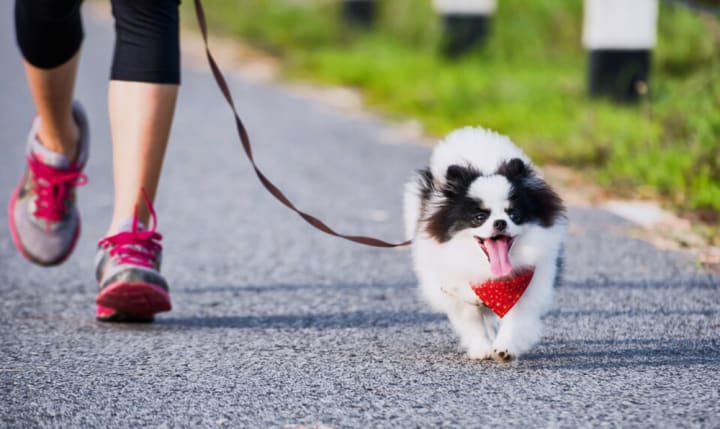
3. Socialization: Introduce Your Dog to New Environments
Proper socialization is one of the most important steps in creating a well-behaved puppy. A puppy that has received proper socialization is more likely to be friendly, confident, and comfortable in a variety of situations.
- Introduce new people and animals: Take your puppy to the park, invite him to meet friends and family members, and let him play with other pets while keeping him under control.
- New environments: Introduce your puppy to a variety of environments, sounds, and smells. This can include travelling by car, visiting pet stores, or going on a walk in a new area.
- Positive experiences: Always reward good behavior to ensure that new experiences are positive. Don't force your puppy if he's nervous; instead, try to make the environment comfortable and friendly.
4. Start Training Early
The most important thing you can do for your puppy is to train it. If you start early it will be easier for your puppy to learn.
- Positive reinforcement: Puppies love attention, praise, and treats. When your dog does something correctly, reward him.
- Short training sessions: Because of their limited attention period, puppies should only be given five to ten minutes of training at a time.
- Be patient: Learning takes time. Be consistent and patient with your puppy.
Basic Commands to Teach Your Puppy:
- Sit: This teaches your puppy to sit calmly and pay attention.
- Stay: This helps your puppy stay in one place until you say otherwise.
- Come: This is important for calling your puppy back when needed.
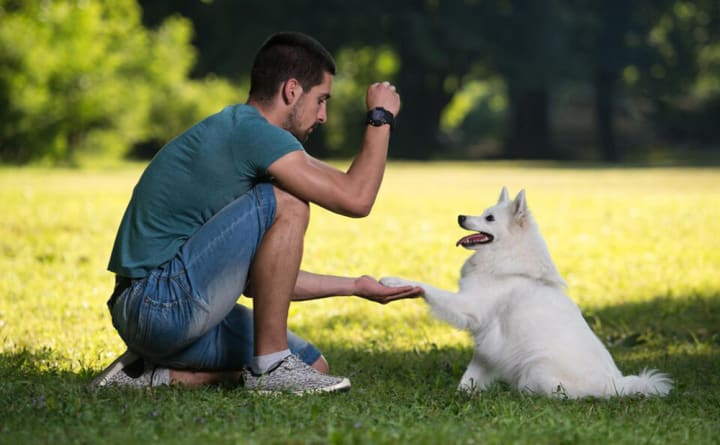
5. Leash Training: Teach Your Dog to Use a Leash
An important skill every dog should learn is leash training. From the beginning, it is important to teach your puppy to wear a dog collar or dog belt with his name on it. This improves control during walks and helps keep your puppy safe.
- Introduce the collar and leash gradually: Wear your puppy's collar for a short period of time each day before putting the leash on. Start in a safe place indoors so they get used to it.
- Positive reinforcement: When your dog behaves well while walking on a leash, praise him and give him a treat. Pulling on the leash can make him anxious, so avoid doing this.
- Short Walks: As your puppy becomes comfortable with walks, gradually increase the length of walks around your yard or neighbourhood.
6. Chewing and Biting: Divert Their Attention
Puppies use their mouths to investigate things around them, often resulting in biting and chewing. To avoid damage and promote healthy chewing habits, it's important to positively redirect this activity.
- Provide chew toys: Provide your puppy with a variety of chew toys to keep him entertained. This will reduce the need to chew household objects such as furniture.
- Redirect biting behaviour: If your puppy starts biting your hands or clothing, politely refuse and give them a toy instead. This helps them learn what is appropriate to chew.
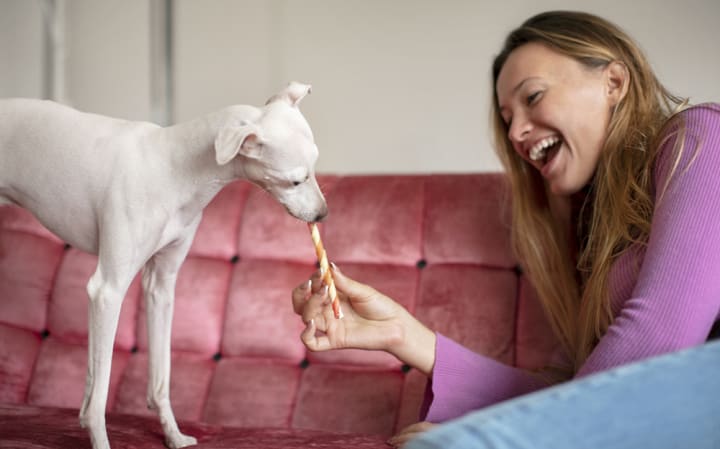
7. Crate Training: Develop a Love For the Crate in Your Dog
In addition to providing a place for your dog to relax, the crate also helps with potty training.
- Keep the crate cozy: To make the crate a comfortable place, line it with a blanket or soft bedding.
- Increase the crate time gradually: Start by decreasing the amount of time your puppy spends in the crate, then slowly increase it.
- Use the crate for sleeping: This is a great place for your puppy to relax when he's not playing or training.
8. Housetraining: Be Patient and Consistent
Potty training is one of the most challenging parts of raising a puppy, but with patience, they will learn.
- Create a schedule: Take your puppy outside regularly, especially after meals, sleep, and play.
- Praise and reward: When your puppy goes potty outside, praise him and give him a treat.
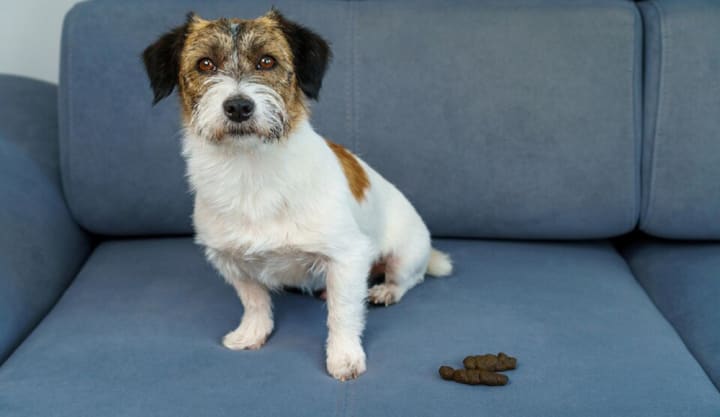
- Clean up accidents: If your puppy has an accident indoors, don't punish him. Just clean up and continue with toilet training.
9. Keep Your Puppy’s Mind Busy
For your pup’s well-being, mental exercise is just as important as physical exercise.
- Interactive toys: Give your puppy toys that make them think, like puzzle toys or treat-dispensing toys.
- Continue training: Teach your puppy new tricks or commands so they keep learning.
- Add variety: Keep things interesting for your puppy by providing him with new games or activities.
10. Grooming and Health: Maintain your Pup's Health
A happy, long life with your puppy depends on you taking good care of their health.
- Vet Checks: Visit the vet regularly for vaccinations and health checks.
- Feed the right food: Choose the right healthy food for your puppy’s age and size.
- Grooming: Brush your puppy regularly and start getting them used to baths and nail clipping.
Final Thoughts
Raising a well-behaved puppy doesn't happen overnight. It requires time, patience, and consistency. By following these tips and using the right tools like dog collars and dog belt with name, you will help your puppy grow into a friendly, well-behaved dog. Enjoy this journey and remember that every day is a step toward building a stronger bond with your pup!
About the Creator
Bhushan Singh
I am a creative designer and content writer who is passionate about using his skills to communicate ideas and messages in visually appealing and engaging ways.
Keep reading
More stories from Bhushan Singh and writers in Petlife and other communities.
The Positive Effects of Choosing to Adopt a Furry Companion
Unconditional love, loyalty, and happiness. These are just a few of the remarkable gifts that beloved companions bring into our lives. In this post, we'll elaborate on the positive effects that can come from the decision to adopt a furry friend.
By Bhushan Singh2 years ago in Petlife
A Dart at Dusk
Seconds ago, the sullen sun set on the two of us… my exuberant furry companion and me. A fresh breeze embraces us, delivering welcome relief from the day’s oppressive heat. His typical stumbling and staggering along — apace with a sloth — has turned into trip-trapping, high-stepping, almost skipping along.
By Angie the Archivist 📚🪶6 days ago in Petlife


Comments
There are no comments for this story
Be the first to respond and start the conversation.