
The Role of Farrier Tools in Equine Hoof Care and Maintenance
Discover how farrier tools play a vital role in equine hoof care and maintenance. Learn about essential tools, techniques, and their impact on horse health.


“No hoof, no horse”. Hold on! Hold on! It is not just a phrase. It’s a fact. A horse’s health begins from the ground up, and reliable farrier tools are crucial to keeping hooves strong, balanced, and pain-free.
As a seasoned farrier, an expert, “It isn’t the tool, it’s whose hands the tools are in.” But having the reliable tools in the expert hands can improve movement, protect lameness, and extend a horse’s performance life.
Whether you're an expert farrier or just a beginner, being aware of your tools and how to use them it’s key to mastering hoof care.
In this article, you will gain awareness of the role of farrier tools in equine hoof care and maintenance.
Why Hoof Care Is Critical for Equine Health
A horse's hooves are its base. Without healthy hooves, even the riggid and faster horses may end up lame or suffer long-term health issues.
Balance & Stability:
Proper trimming keeps hooves set, reducing stress on joints and tendons.
Injury Prevention:
Regular hoof care prevents cracks, infections, abscesses, and uneven wear.
Performance:
Whether in the arena or on the trail, sound hooves mean better movement and endurance.
Overall Health:
Poor hoof care can lead to body-wide pain, behavioral issues, and even permanent damage.
Importance of Farrier Tools in Equine Hoof Care and Maintenance
Tools are essential for accurate trimming because they help to maintain correct hoof shape and balance.
They ensure horse protection and comfort during the hoof care process.
It improves work efficiency for farriers, saving time and effort.
Help prevent common hoof problems like cracks, flares, and imbalance.
They support proper shoeing by allowing proper nail placement and secure fit.
Also, minimize the risk of lameness through proper and consistent hoof maintenance.
Boost the horse's performance and mobility by maintaining healthy hooves.
Premium tools last longer and deliver better results over time.
It enables clean cuts and smooth finishes, minimizing damage to hoof structures.
Essential Farrier Tools and Their Uses
1. Hoof Knife
Used to trim away dead sole, clean up the frog, and prepare the hoof for shoeing. Precision is key for comfort and balance.
2. Nippers
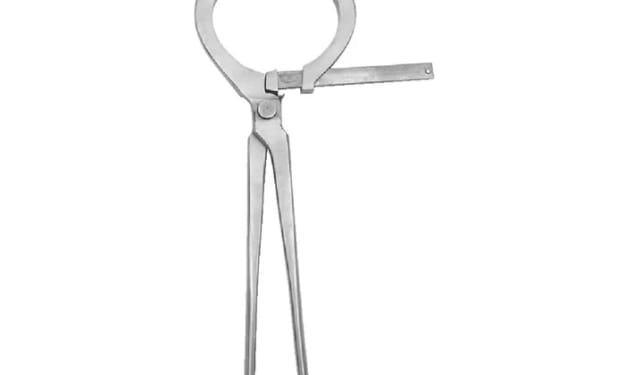
These are heavy-duty cutters designed to trim excess hoof wall. They allow for clean, even cuts to maintain hoof shape.
3. Rasp
It is used to soften and level the hoof after trimming, making sure a balanced finish for shoeing.
4. Clincher
Clinchers are used to protect and tighten the ends of nails after they have been embedded in the hoof and shoe, locking the shoe in place.
5. Driving Hammer
Designed specifically to drive horseshoe nails. Its balanced weight and design make precise nail placement possible.
6. Anvil
A durable iron surface used for shaping and modifying horseshoes. Vital for customizing shoes to fit different hoof shapes.
7. Hoof Stand
Supports the horse’s leg while the farrier works. It provides safety, stability, and comfort for both horse and farrier.
How Tool Quality Impacts Hoof Care
When dealing with hoof care, high-quality tools can create or break the outcome. Precision, reliability, and control are essential when trimming, shaping, or shoeing a horse’s hoof. Here... in this article, you will get to know how top-notch tools make a difference.
1. Exactness and Accuracy
Premium tools provide better grip, refined edges, and smoother handling, enabling the farriers to shape and trim hooves with exactness, reducing the risk of excessive trimming or injury.
2. Consistency Over Time
Cheap tools wear out quickly and may perform inconsistently. Quality tools maintain their sharpness and performance longer, ensuring reliable results every time.
3. Protection for Horse and Farrier
Worn-out or defective tools enhance the risk of accidental cuts or slips. Well-made tools offer better control and safer handling, securing both the horse and the professional.
4. Time and Energy Efficiency
Efficient tools reduce fatigue and help farriers get the job done faster, a huge plus when managing multiple horses daily.
5. Long-Term Hoof Health
Good tools support correct balance and alignment, which helps prevent long-term issues like lameness, joint stress, or tendon strain.
Choosing the Reliable Tools from Beginner to Pro
Whether you're just beginners or have years of experience, your gear can grow with your skill level. Here is a breakdown to help you upgrade your gear wisely.
Beginner Essentials
Beginner? You don’t need top-of-the-line tools yet, but you do need reliable ones. Invest in.
Hoof Knife: For cleaning and trimming the sole and frog.
Nippers: Used to trim the hoof wall cleanly.
Rasp: To smooth and shape the hoof.
Driving Hammer: For nailing shoes accurately.
Hoof Stand: Helps stabilize the hoof for safety and comfort.
Intermediate Upgrades
Once you're trimming or shoeing regularly, consider.
Higher-grade nippers and rasps for smoother, faster work.
Clincher and pull-offs to handle more advanced shoeing tasks.
Specialty knives for custom hoof shapes or problem hooves.
Professional Level Tools
At this point, investing in premium tools makes sense.
Custom-forged hammers or anvils.
Ergonomic handles to reduce fatigue.
Tools tailored to specific breeds, hoof types, or disciplines
Farrier Tips from Professionals
Want the inside scoop? Here are field-tested tips from farriers who’ve walked the walk.
“You don’t need the best tools to do good work. ”
Many experts say, ‘they started with basics and slowly upgraded. What matters most is skill, not the brand name.
“Watch what others are using. ”
If you’re unsure which tools to get, look at what experienced farriers in your area use. Don’t be afraid to ask, they have likely tested dozens of brands.
“Maintenance is half the battle.”
A dull rasp or rusty knife can ruin your day. Keep your tools clean, sharp, and organized to get the most out of them.
“Let your work pay for your upgrades.”
Start with tools that get the job done. As your client base and experience grow, reinvest in better tools that boost your efficiency.
Maintaining and Caring for Farrier Tools
Your farrier tools are more than just gear, they are an extension of your hands. Proper care doesn’t just extend their life; it protects your work quality and keeps horses safe. Here’s how to keep your tools in top shape.
1. Cleaning regularly
Hoof scrap, dirt, and moisture can promote rusting and dull edges.
Clean of tools with a dry cloth after each trimming or shoeing session.
2. Oil and Protect Against Rust
High-carbon steel tools can rust quickly if left unprotected.
Use light machine oil or WD-40 to coat metal surfaces, especially in humid or wet environments.
3. Sharpen Blades Regularly
A worn hoof knife or nipper adds unnecessary effort and increases the risk of injury.
Use a sharp file or stone as needed; do not wait until it’s too late.
4. Store Smartly
Keep tools in a dry, organized toolbox or farrier bag.
Use sheaths or covers for sharp tools to avoid damage and accidents.
5. Inspect for Wear
Regularly check for:
Loose handles
Cracked heads
Worn-out edges
Replace or repair damaged tools promptly to ensure safety and performance.
6. Disinfect When Needed
Especially important if you’re visiting multiple barns or horses with hoof issues.
Use disinfectant wipes or sprays to minimize cross-contamination.
Conclusion
Hoof care isn’t just a routine. It is also a responsibility. From the first trim to the final rasp, the quality and care of farrier tools play an essential role in a horse’s health and performance. Whether you are a seasoned farrier or just a beginner, investing in reliable tools and maintaining them properly can make your work protective, faster, and far more effective.
About the Creator
Keep reading
More stories from Sophie Blogs and writers in Petlife and other communities.
How Hoof Testers Can Help Prevent Hoof-Related Issues
Regarding horse health care, it is impossible to overestimate the need of preserving ideal foot condition. A horse's performance, well-being, and general quality of life may be much affected by hoof-related problems like laminitis, thrush, and chronic lameness. Equine experts and horse owners both are turning to hoof testers as a crucial element in their preventive care tool set more and more to help reduce these dangers.
By Sophie Blogs11 months ago in Petlife
A Dart at Dusk
Seconds ago, the sullen sun set on the two of us… my exuberant furry companion and me. A fresh breeze embraces us, delivering welcome relief from the day’s oppressive heat. His typical stumbling and staggering along — apace with a sloth — has turned into trip-trapping, high-stepping, almost skipping along.
By Angie the Archivist 📚🪶6 days ago in Petlife
Your Puppy Can Feel Your Stress Instantly
The Incredible Science Behind How Puppies Sense Your Emotions and React Before You Even Realize It --- You walk into the room, shoulders slumped, jaw tight, heart racing from a stressful day. Before you even speak, your puppy is there—tail tucked, eyes alert, nose nudging your hand. Almost magically, they know something is wrong.
By Ahmed aldeabella4 days ago in Petlife


Comments (2)
Informative ♦️♦️♦️
Hello, just wanna let you know that according to Vocal's Community Guidelines, we have to choose the AI-Generated tag before publishing when we use AI 😊