
The Mystifying World of the Barreleye Fish (Macropinna microstoma)
Barreleye Fish (Macropinna microstoma)

The Mystifying World of the Barreleye Fish (Macropinna microstoma)
The ocean's depths are home to some of the most bizarre and fascinating creatures on our planet, and few are as intriguing as the barreleye fish (Macropinna microstoma). With its transparent head and tubular eyes, this deep-sea dweller offers a unique glimpse into the adaptations necessary for survival in the dark, high-pressure environments of the deep ocean. This article explores the physical characteristics, habitat, behavior, and scientific significance of the barreleye fish.
Physical Characteristics
The most striking feature of the barreleye fish is its transparent, fluid-filled head, which allows one to see its internal structures, including its brain and eyes. This unique adaptation is believed to help the fish gather as much light as possible in the dark depths where it lives. The barreleye's eyes are tubular and capped with bright green lenses, which are thought to filter out sunlight from above, enhancing its ability to detect the bioluminescent glow of prey below.
These tubular eyes can rotate within their sockets, allowing the fish to look forward when feeding and upward to detect prey. This rotational capability is crucial for survival, enabling the barreleye to remain motionless while scanning for food. The fish's body is relatively small, typically around 6 inches in length, with a large, flat pectoral fin that aids in maintaining stability in the water.
Habitat and Distribution
Barreleye fish are found in the deep waters of the Atlantic, Pacific, and Indian Oceans, typically at depths of 2,000 to 2,600 feet. These depths are part of the mesopelagic zone, also known as the "twilight zone," where sunlight is minimal and bioluminescent organisms create a surreal, glowing environment. The barreleye's habitat is characterized by cold temperatures, high pressure, and complete darkness, making its adaptations all the more remarkable.
Behavior and Diet
The barreleye fish is a slow and steady swimmer, using its large pectoral fins to hover in place while it scans for prey. Its primary diet consists of small, bioluminescent organisms, such as jellyfish, ctenophores, and zooplankton. The fish uses its highly sensitive eyes to detect the faint glow of these creatures in the darkness.
Interestingly, the barreleye's mouth is relatively small compared to other deep-sea fish, suggesting that it relies on precision rather than brute force to capture its prey. Once it locates a potential meal, the barreleye swims slowly and carefully, positioning itself to make a quick, efficient capture.
Reproduction and Lifespan
Little is known about the reproductive habits of the barreleye fish due to the challenges of studying deep-sea organisms. It is believed that they reproduce through external fertilization, where females release eggs and males release sperm into the water column simultaneously. The specifics of their spawning behavior, gestation period, and larval development remain largely a mystery.
Scientific Significance
The barreleye fish has captivated scientists since its discovery, offering valuable insights into the adaptations necessary for life in the deep sea. Its transparent head and rotating eyes are unique among vertebrates, providing a remarkable example of evolutionary innovation. Studying the barreleye can help researchers understand more about sensory perception, visual adaptation, and the ecological dynamics of deep-sea environments.
The barreleye's transparent head also raises interesting questions about the limits of biological materials. Understanding how this fish maintains the integrity and functionality of its transparent tissues under high pressure and low light conditions could have broader implications for biology and materials science.
Conservation Status
While the barreleye fish is not currently listed as endangered, it resides in a delicate ecosystem that is increasingly threatened by human activities. Deep-sea fishing, mining, and climate change all pose risks to the fragile environments where these fish live. Protecting the deep ocean and its inhabitants requires international cooperation and the implementation of sustainable practices.
Conclusion
The barreleye fish (Macropinna microstoma) is a testament to the incredible diversity and adaptability of life on Earth. Its transparent head and rotating eyes are just a few of the many adaptations that enable it to thrive in the deep sea. As we continue to explore the mysteries of the ocean, the barreleye fish stands as a reminder of the wonders still waiting to be discovered and the importance of preserving the habitats that allow such remarkable creatures to exist.
About the Creator
Francis C Okoro
"If you learn from defeat, you haven't really lost." - Zig Ziglar
Reader insights
Nice work
Very well written. Keep up the good work!
Top insights
Easy to read and follow
Well-structured & engaging content
Eye opening
Niche topic & fresh perspectives
Keep reading
More stories from Francis C Okoro and writers in Petlife and other communities.
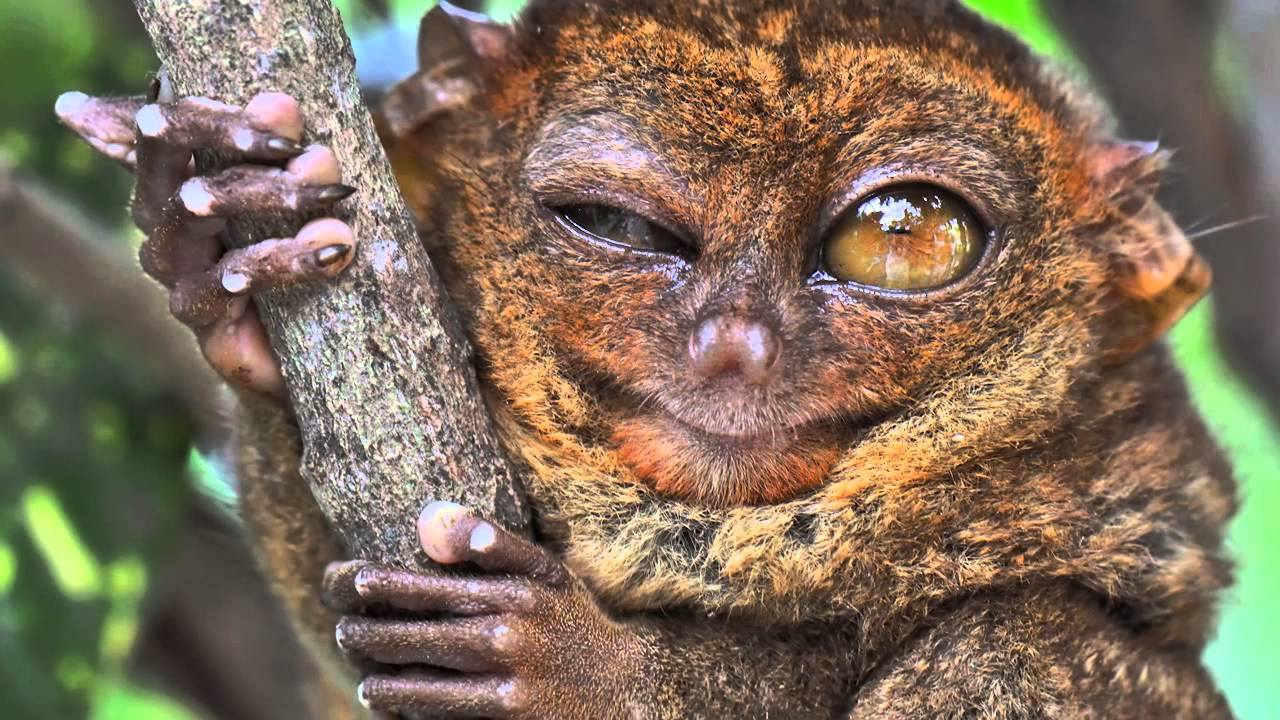
The Tarsier: A Tiny Primate with Big Eyes and Extraordinary Abilities
The Tarsier: A Tiny Primate with Big Eyes and Extraordinary Abilities In the dense tropical forests of Southeast Asia, a small, nocturnal primate known as the tarsier (Tarsiiformes) leaps through the trees with remarkable agility. Despite their diminutive size, tarsiers are endowed with some of the most extraordinary adaptations in the animal kingdom. This article explores the fascinating world of tarsiers, delving into their unique physical characteristics, behavior, habitat, and conservation challenges.
By Francis C Okoroabout a year ago in Petlife
Keeping your pets safe (and calm) this holiday season
The holiday season may be magical for some humans, but for pets it only means confusion, changed routines, overstimulation, extra noise, guests or pet sitters come and go, and sometimes the festive season means danger for pets.
By Susan Fourtané 17 days ago in Petlife
The Cat Who Took Over the House: The Secret Life of Midnight Whiskers
Everyone knows that cats are mysterious creatures. They have a knack for hiding their true selves, especially when it comes to their daily activities. When we, the humans, are around, they appear lazy, aloof, and wholly uninterested in anything but sleeping. But what if I told you that the moment we leave the house, our cat, Midnight Whiskers, becomes a completely different creature—a creature of chaos?
By Ahmed aldeabella4 days ago in Petlife
A Failed Artist, A Disillusioned Poet, An Underpaid Game Show Host
I took my son and niece to Gori, a small town in Georgia where Joseph Stalin was born. They talked me into visiting the Stalin's Museum, the largest in the post-Soviet space. I had resisted going there because I just can't stand the monster and know enough about him, or so I thought.
By Lana V Lynx6 days ago in FYI


Comments (1)
Excellent work 👏