
The Majestic Albatross: Master of the Skies
Big Bird

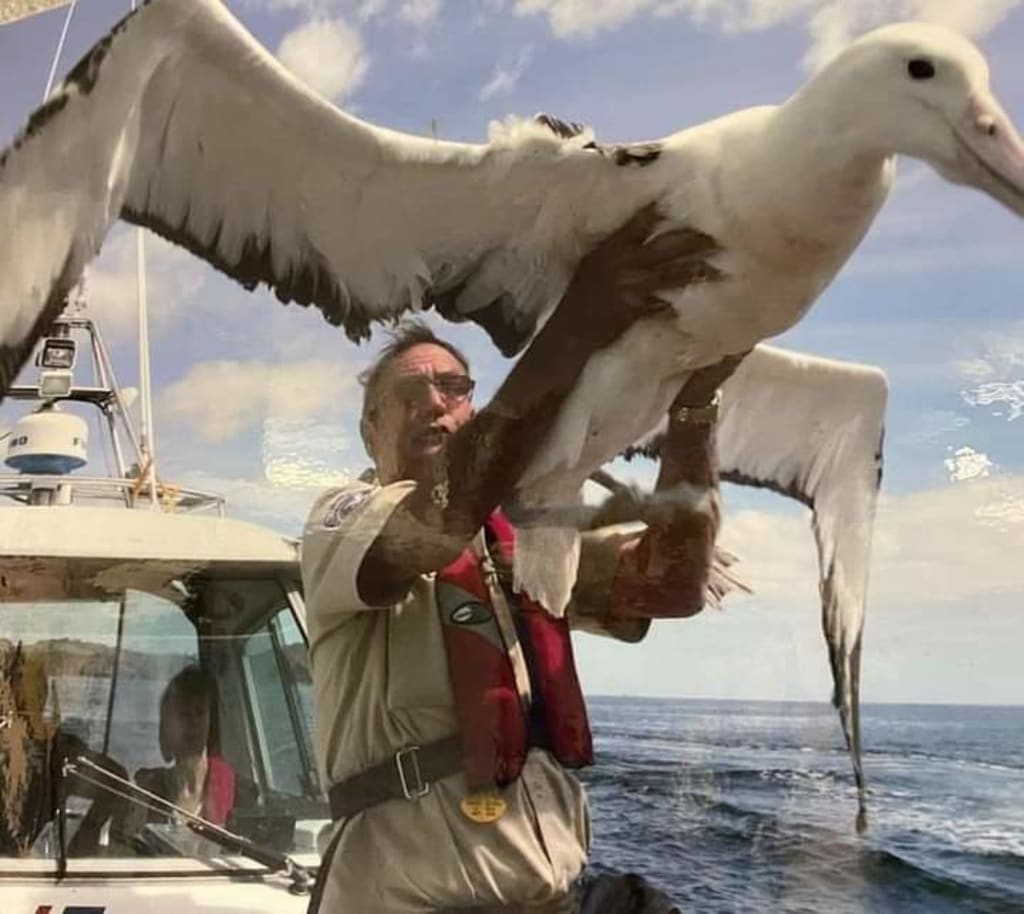
The albatross, one of the most awe-inspiring and mysterious creatures of the natural world, holds a unique place in both the avian kingdom and human imagination. Known for their impressive wingspan and extraordinary ability to soar across vast oceans, albatrosses are not only the largest birds capable of enduring long flights without landing but also remarkable navigators and survivors of the open seas. In this blog post, we delve into the fascinating life of the albatross, exploring their behavior, incredible journeys, and the challenges they face in today's changing world.
The Impressive Physical Traits of Albatrosses
The albatross family, known scientifically as Diomedeidae, includes some of the largest flying birds on Earth. With wingspans that can exceed 11 feet, these birds are built for endurance. Their long, narrow wings allow them to glide effortlessly over the ocean, using wind currents to minimize energy expenditure. This unique adaptation enables them to cover incredible distances with minimal effort.
One of the most astonishing aspects of the albatross's life is its ability to remain airborne for years. After fledging, young albatrosses embark on a journey over the ocean, often spending their first six years entirely at sea. During this period, they rarely, if ever, touch land. This remarkable feat is made possible by their specialized flight technique known as dynamic soaring, which involves using wind gradients above the waves to gain lift and maintain speed without flapping their wings.
Life at Sea: The Albatross's Epic Journeys
Albatrosses are true masters of the sea, capable of traveling more than 10,000 miles in a single journey. They are known to circumnavigate the globe, sometimes completing the journey in as little as 46 days. This incredible range allows them to forage over vast areas, following the rich currents of the world's oceans to find food.
Their diet primarily consists of squid, fish, and krill, which they often capture by diving or scavenging from the surface. Albatrosses are equipped with keen eyesight and a highly developed sense of smell, which helps them locate food across the seemingly barren expanses of the open ocean. Their ability to travel long distances also means they can exploit feeding opportunities that are inaccessible to other seabirds.
The Reproductive Cycle: Returning to Land
After spending their formative years at sea, albatrosses return to land to breed. This return to solid ground marks a significant event in their lives, as they seek out the remote islands where they were born. These islands, often located in the Southern Ocean or the North Pacific, provide a safe haven for nesting away from the threats posed by terrestrial predators.
Albatrosses are monogamous and known for their long-term pair bonds, often returning to the same mate year after year. Their elaborate courtship rituals, which include synchronized dances and vocalizations, help strengthen these bonds. Once a pair is formed, they construct a nest and take turns incubating a single egg. This egg is the culmination of a considerable investment of time and energy, with both parents sharing the responsibilities of incubation and chick-rearing.
Challenges and Conservation
Despite their remarkable adaptations and resilience, albatrosses face significant threats in the modern world. One of the most pressing issues is bycatch, where albatrosses are accidentally caught by longline and trawl fisheries. These interactions often result in injury or death, significantly impacting albatross populations.
Plastic pollution is another major threat. Albatrosses often mistake floating plastic debris for food, ingesting it and feeding it to their chicks. This ingestion can lead to malnutrition, digestive blockages, and even death. Additionally, the introduction of invasive species to breeding islands has disrupted their nesting habitats, leading to reduced breeding success.
Climate change also poses a long-term threat to albatrosses. Alterations in sea temperature and currents can affect the distribution and abundance of their prey, making it more challenging for them to find sufficient food. Changes in weather patterns can also impact their long migrations and breeding cycles.
Conservation Efforts and Future Prospects
Efforts to conserve albatrosses are multifaceted and involve international cooperation. One of the key initiatives is the Agreement on the Conservation of Albatrosses and Petrels (ACAP), which aims to mitigate threats through research, policy changes, and on-the-ground actions. Measures include improving fishing practices to reduce bycatch, protecting breeding habitats, and conducting public awareness campaigns.
Researchers and conservationists are also employing innovative technologies to study and protect albatrosses. Satellite tracking allows scientists to monitor their movements and identify critical feeding and breeding areas. These data are invaluable for informing conservation strategies and ensuring that key habitats are safeguarded.
Additionally, efforts to clean up marine debris and reduce plastic pollution are crucial for the survival of albatrosses and other marine life. Public awareness and engagement play a vital role in these initiatives, highlighting the interconnectedness of our actions and the health of the oceans.
The Symbolic Significance of the Albatross
The albatross has long held a symbolic significance in human culture. From ancient mariners who viewed them as omens to literary works such as Samuel Taylor Coleridge's "The Rime of the Ancient Mariner," where the albatross represents both a burden and a blessing, these birds have captured our imagination and inspired awe.
In many ways, the albatross serves as a reminder of the fragile balance of our planet's ecosystems. Their ability to traverse vast distances and thrive in some of the most remote and inhospitable environments on Earth underscores the interconnectedness of the natural world. Protecting the albatross and its habitat is not just about saving a single species but about preserving the intricate web of life that sustains our planet.
Conclusion
The albatross, with its extraordinary flying abilities and enduring spirit, stands as a testament to the wonders of the natural world. Their journeys across the vast oceans, spanning thousands of miles, highlight the incredible adaptability and resilience of these magnificent birds. However, the challenges they face from human activities and environmental changes remind us of our responsibility to protect and conserve the natural world.
By understanding and appreciating the albatross's unique place in the ecosystem, we can take meaningful steps towards ensuring their survival. Through collaborative conservation efforts, sustainable practices, and increased public awareness, we can help secure a future where the albatross continues to soar freely over the oceans, a symbol of the enduring beauty and resilience of nature.
About the Creator
Keep reading
More stories from Deji Akomolafe and writers in Petlife and other communities.
The Tragic Story of Jacqueline Durand: A Reminder of the Devastating Consequences of Dog Attacks
In the quiet streets of Texas, tragedy struck one fateful day when 22-year-old college student Jacqueline Durand was viciously mauled by two dogs she had been tasked with walking. The incident left Jacqueline with catastrophic injuries, including the loss of both ears, nose, lips, and most of her face below the eyes. With over 800 bites, the attack resulted in permanent disfigurement, altering the course of Jacqueline's life forever. Her story serves as a poignant reminder of the profound impact of dog attacks and the importance of responsible pet ownership.
By Deji Akomolafe2 years ago in Petlife
Authenticity and Presence: What Animals Can Teach Actors About Emotional Truth
Actors spend years searching for authenticity. Acting schools teach technique, rehearsal methods focus on emotional preparation, and directors guide performers toward believable moments on screen. Yet sometimes the most meaningful lessons about authenticity come from unexpected places.
By Andreas Szakacs2 days ago in Petlife



Comments (2)
Hey, just wanna let you know that this is more suitable to be posted in the Earth community 😊
Oh, I am thinking about the people who are going to make it as their pet!