
The Leafy Sea Dragon: Nature’s Master of Camouflage
Nature’s Master of Camouflage

The Leafy Sea Dragon: Nature’s Master of Camouflage
In the vibrant underwater landscapes of southern and western Australia, the leafy sea dragon (Phycodurus eques) glides gracefully among the kelp and seagrass, captivating observers with its remarkable appearance. Resembling a piece of floating seaweed rather than a fish, this enchanting creature is a testament to the beauty and intricacy of marine life. This article delves into the unique characteristics, habitat, behavior, and conservation status of the leafy sea dragon.
Physical Characteristics
The leafy sea dragon is known for its extraordinary camouflage, which is one of its most distinguishing features. With its elongated body covered in leaf-like appendages, it can blend seamlessly into its surroundings. These appendages, which extend from its body, are not actually used for swimming but instead serve as a means of disguise. The leafy sea dragon is typically 10 to 14 inches long, with males often being slightly larger than females.
The body of the leafy sea dragon is adorned with vibrant colors, including shades of yellow, green, and orange. These colors help it mimic the appearance of floating seaweed, providing effective protection from predators. The leafy sea dragon also has a small snout, which it uses to feed on small crustaceans, such as mysid shrimp, by sucking them into its mouth.
Habitat and Distribution
Leafy sea dragons are native to the coastal waters of southern and western Australia, particularly in areas with ample seagrass beds and kelp forests. They are typically found at depths ranging from 10 to 50 feet, where they can hide among the vegetation. These habitats provide not only food but also protection from larger predators.
Behavior and Diet
Leafy sea dragons are gentle and slow-moving creatures, often seen drifting with the currents or gently swaying among the plants. Their swimming technique involves using small, transparent fins located behind their eyes, which allows for precise movements while remaining largely undetected.
As carnivores, leafy sea dragons primarily feed on small crustaceans. They use their specialized snouts to suck in prey, drawing them in with a rapid, suction-like motion. Their feeding habits are relatively passive; they rely on their camouflage to approach prey without alarming them.
Reproduction and Lifespan
The reproductive process of the leafy sea dragon is unique among fish. During mating, the female transfers her eggs to the male, who then fertilizes them and carries them on a special brood patch located on his tail. The male carries the eggs for about six weeks until they hatch. Each brood can contain anywhere from 100 to 300 eggs, which are small and resemble tiny jellybeans. Once the eggs hatch, the young are fully formed and resemble miniature versions of their parents.
Leafy sea dragons have a lifespan of about 5 to 7 years in the wild, although they can live longer in captivity.
Conservation Status
The leafy sea dragon is currently classified as "Near Threatened" by the International Union for Conservation of Nature (IUCN). Their populations are threatened by habitat destruction due to coastal development, pollution, and climate change. Additionally, they are sometimes collected for the aquarium trade, which can further impact their numbers.
Efforts are being made to protect the leafy sea dragon and its habitat. Marine reserves and conservation programs aim to preserve the delicate ecosystems where these unique creatures thrive. Public awareness and education about the importance of protecting marine environments are also crucial in ensuring the survival of the leafy sea dragon.
Cultural Significance
The leafy sea dragon holds significant cultural importance in Australia, particularly among Indigenous peoples. Its unique appearance and behaviors have inspired local folklore and art. The species is also a popular symbol in marine conservation efforts, representing the rich biodiversity of Australian waters.
Conclusion
The leafy sea dragon (Phycodurus eques) is a stunning example of nature's creativity and adaptability. Its extraordinary camouflage, gentle demeanor, and unique reproductive strategies make it one of the most fascinating creatures in the ocean. As we continue to learn more about the leafy sea dragon and its role in marine ecosystems, it becomes increasingly important to protect these delicate habitats. By preserving the environments where these enchanting creatures live, we can ensure that future generations will have the opportunity to marvel at the beauty of the leafy sea dragon and the diverse marine life it represents.
About the Creator
Francis C Okoro
"If you learn from defeat, you haven't really lost." - Zig Ziglar
Reader insights
Nice work
Very well written. Keep up the good work!
Top insight
On-point and relevant
Writing reflected the title & theme
Keep reading
More stories from Francis C Okoro and writers in Petlife and other communities.
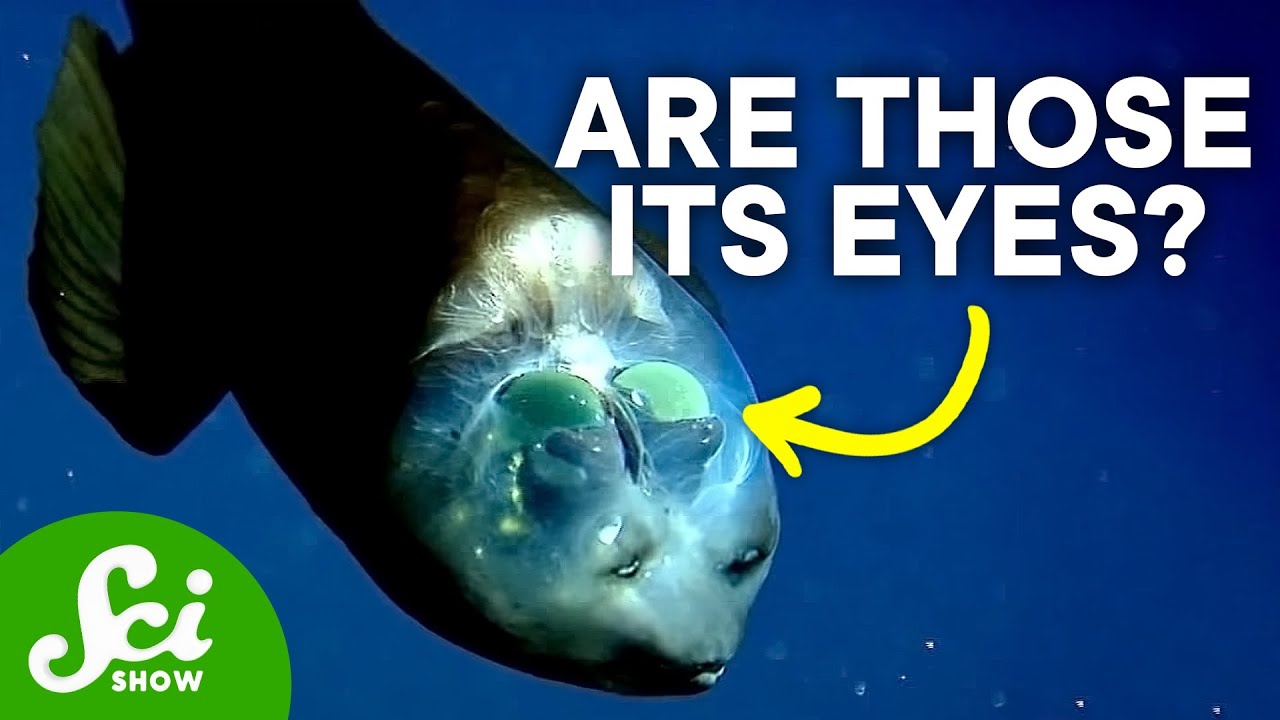
The Mystifying World of the Barreleye Fish (Macropinna microstoma)
The Mystifying World of the Barreleye Fish (Macropinna microstoma) The ocean's depths are home to some of the most bizarre and fascinating creatures on our planet, and few are as intriguing as the barreleye fish (Macropinna microstoma). With its transparent head and tubular eyes, this deep-sea dweller offers a unique glimpse into the adaptations necessary for survival in the dark, high-pressure environments of the deep ocean. This article explores the physical characteristics, habitat, behavior, and scientific significance of the barreleye fish.
By Francis C Okoroabout a year ago in Petlife
A Dart at Dusk
Seconds ago, the sullen sun set on the two of us… my exuberant furry companion and me. A fresh breeze embraces us, delivering welcome relief from the day’s oppressive heat. His typical stumbling and staggering along — apace with a sloth — has turned into trip-trapping, high-stepping, almost skipping along.
By Angie the Archivist 📚🪶5 days ago in Petlife
Miss Persephone's Manual to a Seemingly Ordinary Life
Miss Persephone was found at the dining table, her blue eyes swollen, her tears arriving and retreating like the tides of the ocean. Earlier that day, her family had visited her in the retirement home where she had lived for eight years. It was her eightieth birthday.
By Imola Tóth3 days ago in Fiction


Comments (2)
Awesome piece
great content