
The Fascinating Life of Leopards: Elegance and Power in the African Jungle
Preservation and Conservation: A Necessary Commitment

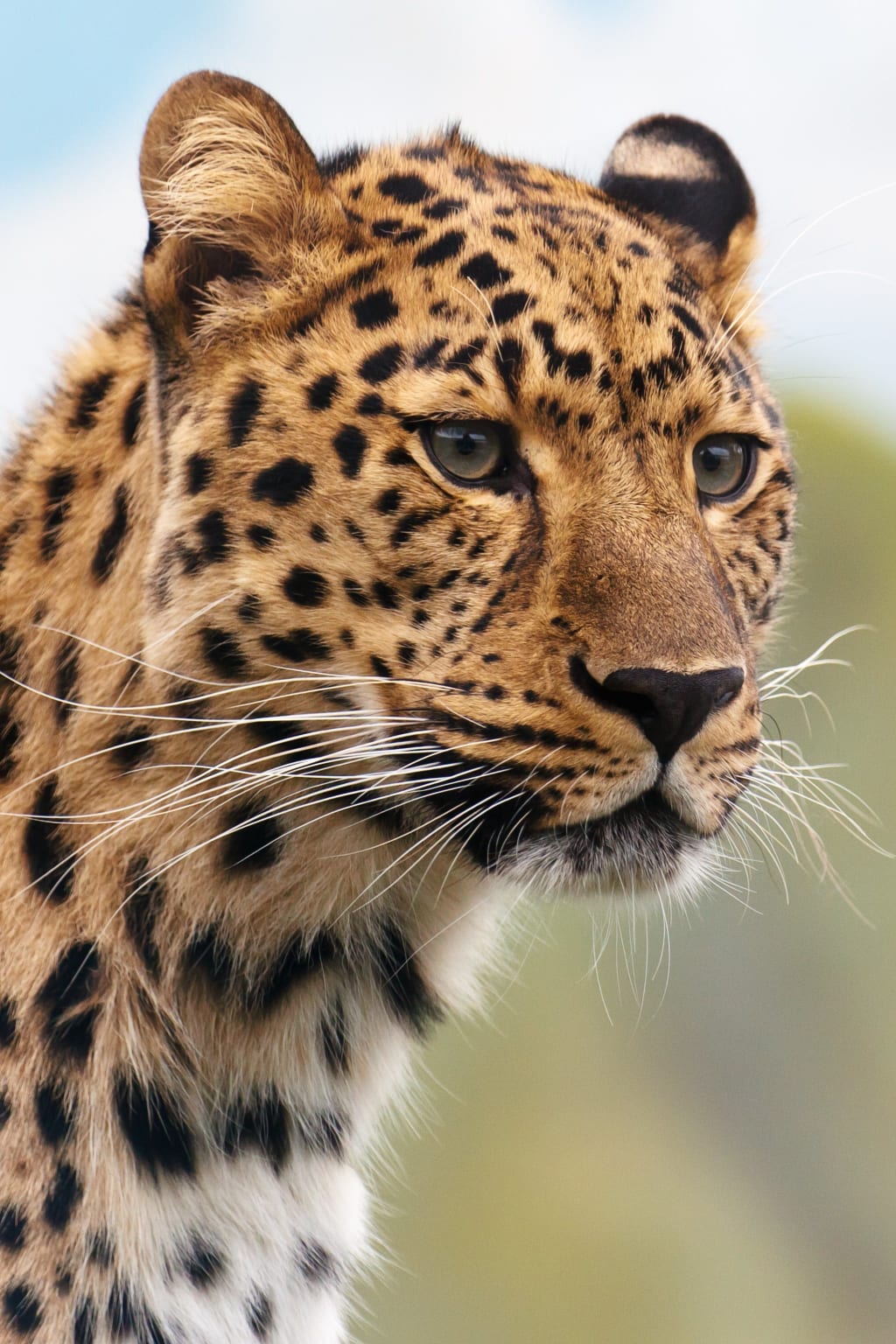
Leopards, majestic felines belonging to the genus Panthera, inhabit the vast landscapes of Africa and parts of Asia. Characterized by their golden coat and distinctive markings, these large predators are true wonders of nature, combining elegance and power in their existence.
Habitat and Distribution:
Leopards are versatile in terms of their habitat, and can be found in savannas, forests, deserts and even mountains. Their adaptability is remarkable, and they can thrive in a variety of environments. However, they are most prominent in the vast African jungles, where their presence creates an aura of mystery and grandeur.
Physical characteristics:
The golden coat adorned with black spots is one of the most distinctive features of leopards. These spots not only contribute to their camouflage in the dense vegetation, but also give these felines a unique beauty. Its agile and muscular body is a perfect adaptation for hunting, combining strength and agility.
Hunting Behavior and Habits:
Leopards are known to be nocturnal hunters, taking advantage of the darkness to move stealthily and surprise their prey. They are solitary animals except during mating and raising young. Their hunting method involves ambushing prey, usually attacking from an elevated position such as trees or rocks.
Unique Adaptations:
One of the notable adaptations of leopards is their ability to carry prey considerably larger than themselves to safety, often in trees. This not only prevents other creatures from stealing your meals, but also serves as a strategic food reserve.
Challenges and Threats:
Despite their dexterity and strength, leopards face significant challenges. Habitat loss due to human expansion, illegal hunting and conflicts with farmers are constant threats to these magnificent cats. Conservation initiatives are crucial to protecting these species and ensuring that future generations can admire their beauty in the wild.
Importance in Ecology:
Leopards play a vital role in ecological balance, controlling prey populations and contributing to ecosystem diversity. Their presence is an indicator of the health of the environment in which they live.
In short, the lives of leopards are a fascinating tale of strength, elegance and survival. These big cats continue to be one of the jewels of the African fauna, deserving of our admiration and continued efforts to protect their future on the wild African continent.
Despite the challenges leopards face, conservation efforts have been implemented to ensure the preservation of these incredible felines. National parks and nature reserves are established to provide safe refuge and promote the reproduction of these species. Conservation organizations also play a crucial role, working to raise awareness of the importance of protecting biodiversity and natural habitats.
International collaboration is essential to face threats that transcend borders. Conservation agreements and treaties help establish common guidelines and promote sustainable practices. Environmental education plays a fundamental role, enabling local communities to coexist harmoniously with these predators, reducing conflicts that often lead to harmful actions.
Modern technology also plays a crucial role in leopard conservation. Advances in satellite monitoring and tracking techniques help researchers better understand the movement patterns of these cats, providing valuable data for developing more effective conservation strategies.
The global community is waking up to the importance of preserving wildlife diversity, recognizing that the loss of one species can have ripple effects across the entire ecosystem. Leopards, as sentinels of environmental health, play a crucial role in maintaining natural balance.
As we admire the lives of leopards, we are reminded of the complex web of wildlife and the responsibility we have as guardians of the planet. As we continue to learn more about these magnificent cats, it is imperative that we redouble our efforts to protect not just leopards, but the entire ecosystem we share with them. The lives of leopards are an invaluable chapter in the story of nature, and it is up to us to ensure that this narrative continues to unfold for future generations.
About the Creator
Miriam Helen
Miriam, a vibrant 29-year-old soul, is passionate about words, a spirit that finds joy in the pages of books and in the lines she draws herself. Born to be a storyteller, she transforms every moment into a unique and captivating narrative.
Keep reading
More stories from Miriam Helen and writers in Petlife and other communities.
Shadows of Loyalty: Unraveling the Enigma at the Police Station
The night was dense and gloomy, the wet streets reflected the dim lights of the streetlights, creating a mosaic of shadows in the deserted alleys. At the police station, the heavy atmosphere didn't feel like a mysterious fog as detectives tried to unravel an intricate riddle. A corrupt police officer stood among them, appearing distrustful and afraid, but his identity remained shrouded in secrecy.
By Miriam Helen2 years ago in Criminal
The Gourmet Grumble: Navigating Life with Dog Breeds That Are Picky Eaters
We’ve all seen the commercials: a happy Golden Retriever hears a kibble bag crinkle from three rooms away, skids across the hardwood floor, and inhales a bowl of dry food in approximately four seconds. It’s the universal image of canine appetite.
By MINNIE PEARL’S LIVER LEAVIN’S2 days ago in Petlife




Comments
There are no comments for this story
Be the first to respond and start the conversation.