
The Fascinating Behavior of Guinea Pigs: Insights into their Social Lives
Unraveling the Social Dynamics: A Close Look into Guinea Pigs' Intriguing Behavior
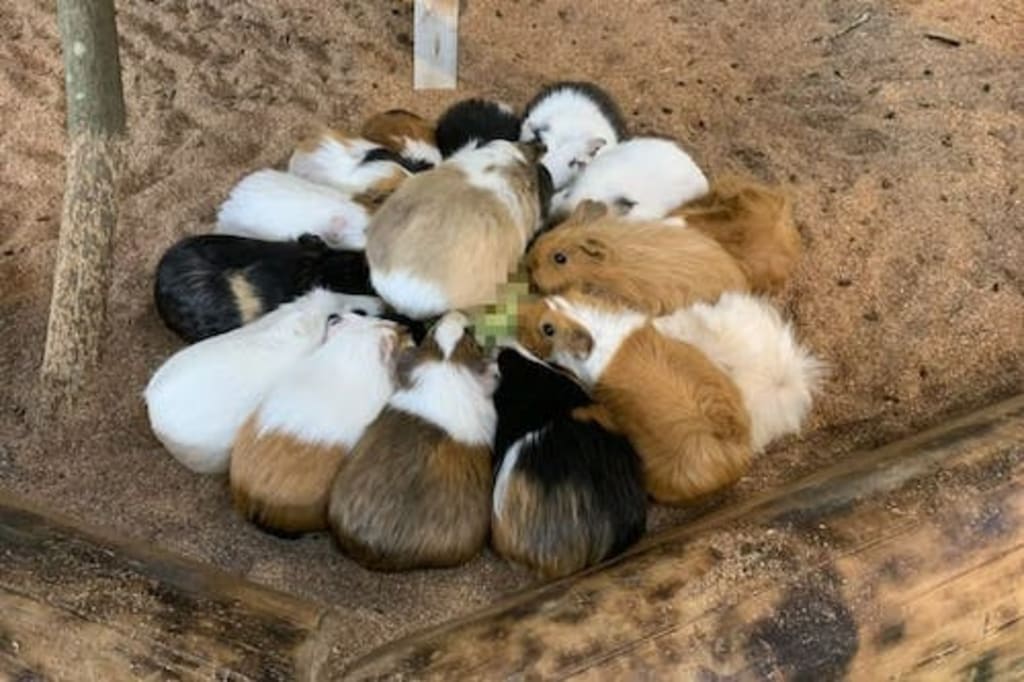
Guinea pigs, with their charming personalities and adorable appearances, are not only beloved pets but also intriguing creatures with a complex social structure. Understanding their behavior and social interactions can enhance our appreciation for these delightful animals. In this article, we will explore the fascinating behavior of guinea pigs and gain insights into their social lives.
Social Nature: Guinea pigs are highly social animals that thrive on companionship. In their natural habitat, they live in large groups or herds, seeking safety and comfort in numbers. As pets, guinea pigs still retain this innate need for social interaction and can become lonely or stressed when kept in isolation. It is recommended to house them in pairs or small groups to promote their well-being.
Communication: Guinea pigs have a rich repertoire of communication methods. They use a combination of vocalizations, body language, and scent marking to convey messages to their fellow cavies. Common vocalizations include purring, squeaking, chirping, and even low rumbling sounds. They also engage in behaviors such as ear wiggling, teeth chattering, and nose nudging to express their feelings.
Establishing Hierarchy: Within a group of guinea pigs, a hierarchy or pecking order is established. This hierarchy helps maintain order and minimize conflict. Dominant individuals may display behaviors such as mounting, chin resting, or even chasing others to assert their authority. Submissive guinea pigs may exhibit behaviors like crouching, freezing, or moving away to avoid confrontation.
Bonding and Cuddling: Guinea pigs engage in social grooming as a way to strengthen bonds within the group. They will often groom each other's fur, nibbling and licking to keep it clean and neat. This behavior promotes social cohesion and reinforces the trust and affection among guinea pigs.
Play and Exploration: Guinea pigs are naturally curious creatures and enjoy exploring their surroundings. They engage in playful behaviors like chasing, hopping, and popcorning (jumping with joy). Providing them with tunnels, toys, and hiding spots in their habitat encourages their natural instincts and stimulates their mental and physical well-being.
Scent Marking: Guinea pigs have scent glands located on their chins, and they use these glands to mark their territory. By rubbing their chin against objects or other guinea pigs, they leave behind their scent as a way to communicate ownership or establish boundaries.
Empathy and Social Support: Guinea pigs demonstrate a remarkable level of empathy and social support towards their companions. If one guinea pig is feeling unwell or distressed, others in the group may offer comfort and companionship. They may cuddle together, groom the distressed guinea pig, or simply stay close by, providing a sense of security and reassurance.
Communication with Humans: Guinea pigs can also develop strong bonds with their human caregivers. Through positive interactions, gentle handling, and regular socialization, they can recognize and respond to human voices and gestures. Building trust with your guinea pig is essential for a harmonious and rewarding human-animal relationship.
In conclusion, the behavior of guinea pigs is captivating and offers us insights into their social lives. From their social nature and communication methods to their playful interactions and empathy, guinea pigs demonstrate a remarkable capacity for forming connections and maintaining social harmony. By understanding their behavior, we can provide them with the companionship and care they need to thrive in our homes.
About the Creator
A Dart at Dusk
Seconds ago, the sullen sun set on the two of us… my exuberant furry companion and me. A fresh breeze embraces us, delivering welcome relief from the day’s oppressive heat. His typical stumbling and staggering along — apace with a sloth — has turned into trip-trapping, high-stepping, almost skipping along.
By Angie the Archivist 📚🪶6 days ago in Petlife


Comments
There are no comments for this story
Be the first to respond and start the conversation.