
The False Eyes of Tigers: Nature’s Ingenious Defense Mechanism
False eyes

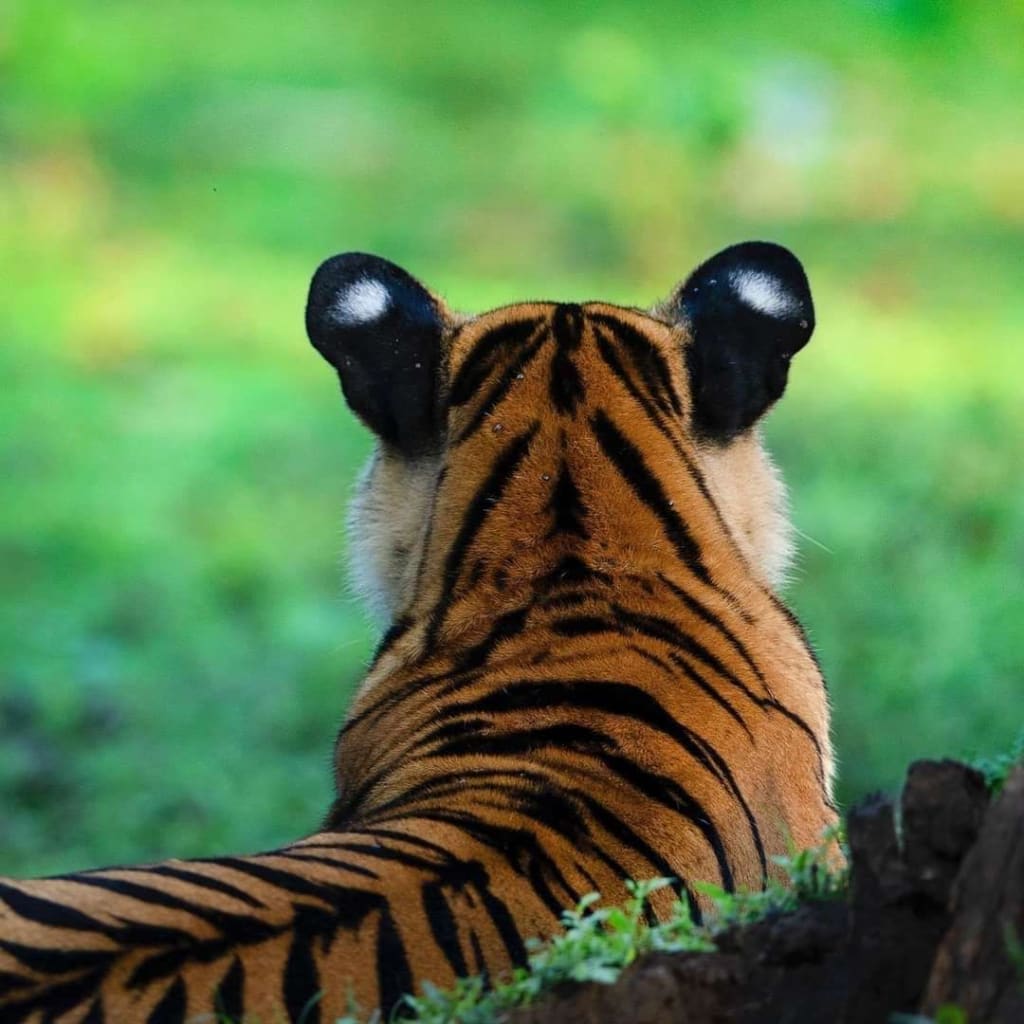
In the world of big cats, the tiger stands out not only for its majestic beauty but also for its fascinating adaptations that have helped it become one of nature’s top predators. Among these adaptations, one of the most intriguing is a pair of unique markings on the backs of its ears, known as “false eyes.” These markings serve a purpose far beyond aesthetics, providing a form of defense that allows tigers to intimidate and deter potential threats. In this article, we’ll explore the science behind these “eyes,” why tigers evolved to have them, and how this adaptation plays a critical role in their survival.
What Are False Eyes?
False eyes, or “eyespots,” are a form of protective mimicry—a common adaptation found across the animal kingdom where an animal develops eye-like markings on various parts of its body. This feature is especially prominent in species that are vulnerable to attacks from behind, as it can create the illusion that the animal is constantly watching, even when it has its back turned. These markings can be seen in a variety of animals, including butterflies, frogs, birds, and fish. In the case of the tiger, false eyes appear as distinctive white or yellowish spots on the backs of their otherwise dark ears.
Tigers are unique in the sense that, unlike many smaller prey animals, they are apex predators. Their only real threat in the wild comes from other tigers, territorial disputes, and perhaps human interactions. Yet, even as a top predator, they have evolved these false eyes as a mechanism for warding off possible threats, including other tigers or potential ambushes from behind. These spots act as a deterrent to anything that might consider approaching a tiger from the rear, creating an illusion that the tiger is aware of any movement around it.
How Do False Eyes Help Tigers?
Tigers are primarily solitary animals, spending most of their time alone while patrolling vast territories. During this time, they are susceptible to ambushes, especially when resting or distracted by prey. Young tigers and cubs, in particular, are vulnerable when moving through their habitat, as they lack the size and experience to fully protect themselves. False eyes serve as a psychological shield, signaling to would-be attackers that the tiger is aware of their presence and ready to defend itself if necessary.
For other animals, the presence of these false eyes can create a sense of uncertainty. Even a brief moment of hesitation could be enough to give the tiger the advantage it needs to react or escape. The false eyes act as a subtle reminder to potential threats that they may be walking into a trap themselves.
In addition to deterring threats, the false eyes may also play a role in communication within tiger populations. Adult tigers can sometimes become aggressive with each other, particularly when their territories overlap or during mating season. The presence of these markings may serve as a non-verbal cue, signaling strength and readiness to other tigers. By maintaining these visual signals, tigers may be able to avoid direct confrontations that could lead to injury, preserving their energy for hunting and protecting their territory.
The Evolutionary Origin of False Eyes in Tigers
So why do tigers, apex predators with few natural enemies, need false eyes? Scientists speculate that the evolution of this feature may have been a defense against larger predators that shared habitats with ancient tigers. Tigers belong to the Panthera genus, which includes lions, leopards, and jaguars, all of which share similar ecosystems and, at times, overlap in territory. In times when competition was fierce, having a visual deterrent could have improved the tiger’s chances of survival.
There is also a theory that these eyespots could have developed as a deterrent against territorial challenges. Since territorial fights can be life-threatening, the false eyes could serve as an evolutionary tool to avoid unnecessary conflicts and the associated risks of physical confrontations. This trait, once advantageous, was passed down through generations and has remained a part of the tiger’s appearance to this day.
The Role of False Eyes in Tiger Conservation
Understanding the behavior and adaptations of tigers is essential not only from a scientific perspective but also for conservation efforts. With fewer than 4,000 wild tigers left today, learning about the unique characteristics that aid their survival helps conservationists develop better strategies for protecting them. Recognizing how tigers use false eyes as a defense mechanism can give insights into their behavior, especially in regions where human expansion is encroaching on their natural habitats.
Tiger conservation programs often focus on reducing human-tiger conflicts by educating communities on how to avoid encounters. A thorough understanding of tiger behavior, including their reliance on solitary movement and psychological deterrents, is essential for designing protective measures in both wild and human-dominated landscapes.
Additionally, recognizing these unique features emphasizes the biological diversity within the animal kingdom and the importance of preserving it. When we protect tigers, we are also safeguarding the complex evolutionary history that led to these incredible adaptations. Efforts to maintain and restore their natural habitats allow tigers to continue using their evolved traits in environments where they have the best chances of survival.
False Eyes as a Symbol of Nature’s Ingenuity
The false eyes of tigers highlight the adaptive ingenuity of nature, where even the mightiest of creatures incorporate subtle features to maintain their dominance and survival. This adaptation serves as a reminder that evolution is a continuous process, where each characteristic—no matter how seemingly insignificant—serves a purpose that enhances the animal’s ability to thrive in its environment.
For wildlife enthusiasts, false eyes add another layer of fascination to an already mysterious and beautiful predator. Observing these eyespots while witnessing a tiger move through its natural habitat offers a glimpse into the complex web of survival strategies employed by wild animals. While they might seem like a small detail, these false eyes play a profound role in shaping the behavior of one of Earth’s most magnificent predators.
As we continue to learn more about tigers and their adaptations, false eyes stand as a reminder of the delicate balance between predator and prey, vulnerability and strength. This unique feature is not only a testament to the power and grace of the tiger but also a symbol of resilience and survival in the wild, where every adaptation has the potential to make the difference between life and death.
About the Creator
Keep reading
More stories from Deji Akomolafe and writers in Petlife and other communities.
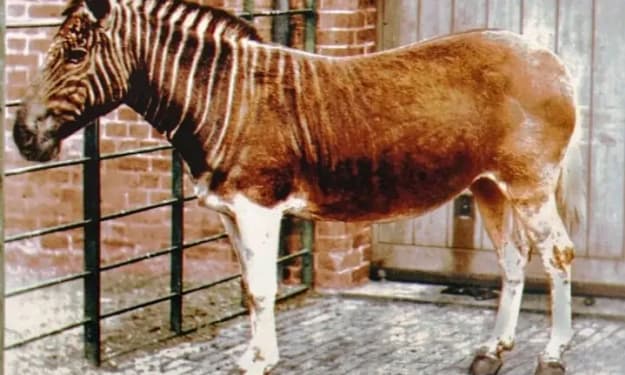
The Last Known Photograph of a Living Quagga: A Glimpse into Extinction
In the annals of extinction, few stories are as poignant or visually haunting as that of the quagga, a subspecies of the plains zebra once native to South Africa. This unique creature, characterized by its half-striped coat and brownish hindquarters, roamed the grasslands of Southern Africa until the pressures of human activity drove it to extinction in the late 19th century. Today, one of the most powerful reminders of its existence is a single photograph—an image taken in 1870 at London Zoo, in Regent's Park. This photograph of a lone quagga is both a relic and a symbol, encapsulating humanity’s tendency to take nature for granted until it’s too late.
By Deji Akomolafeabout a year ago in Petlife
A Dart at Dusk
Seconds ago, the sullen sun set on the two of us… my exuberant furry companion and me. A fresh breeze embraces us, delivering welcome relief from the day’s oppressive heat. His typical stumbling and staggering along — apace with a sloth — has turned into trip-trapping, high-stepping, almost skipping along.
By Angie the Archivist 📚🪶5 days ago in Petlife
Frozen Clash: Wolf vs Bear
The morning light broke gently over the snow-covered wilderness, turning the frost into a blanket of sparkling diamonds. The forest was silent except for the soft whisper of wind moving through the icy branches. Every tree was coated in white, and the frozen ground glistened under the soft sunlight. In this serene landscape, life thrived in quiet ways, even in the harshest winter conditions.
By Bilal Mohammadi7 days ago in Petlife



Comments
There are no comments for this story
Be the first to respond and start the conversation.