
The Enigmatic Pangolin: Nature’s Armored Treasure
The Enigmatic Pangolin

The Enigmatic Pangolin: Nature’s Armored Treasure
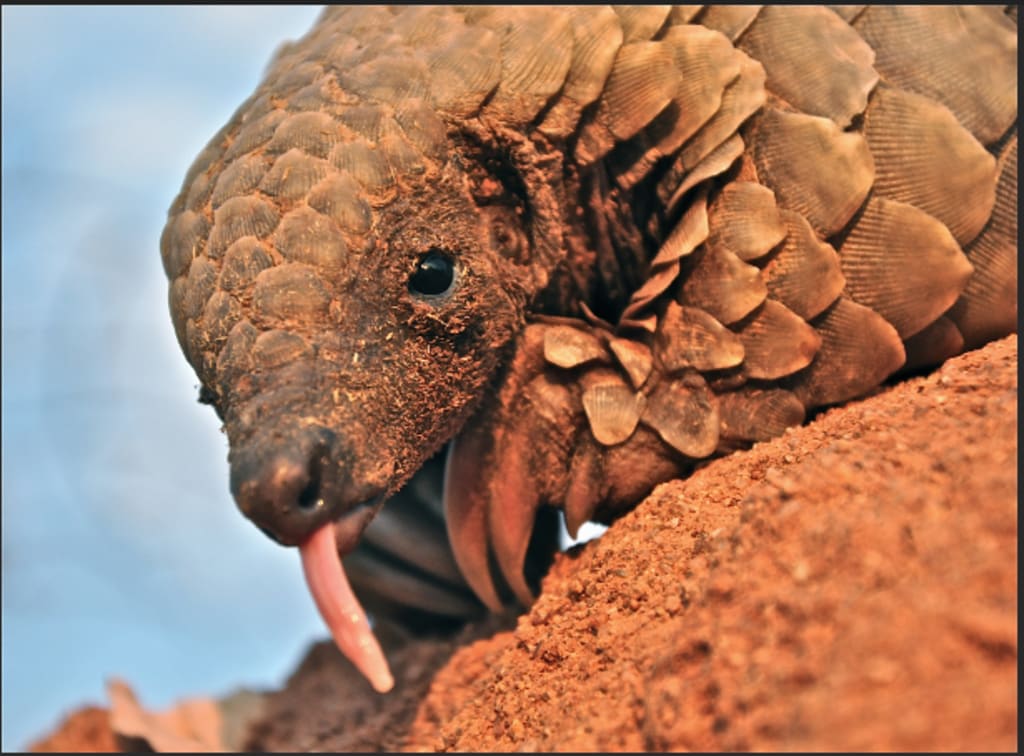
Pangolins are one of the most unique and fascinating creatures on Earth. Often referred to as "scaly anteaters," these elusive mammals are covered in tough, overlapping scales made of keratin—the same protein that makes up human hair and nails. Found across Asia and Africa, pangolins are renowned for their distinct appearance and intriguing behaviors. Here are some interesting facts that highlight the remarkable nature of pangolins.
Unique Armor
The most striking feature of pangolins is their armor of scales. These scales provide formidable protection against predators. When threatened, a pangolin will curl into a tight ball, shielding its vulnerable underbelly and presenting only its tough, spiky exterior. This defensive posture is highly effective against natural predators like lions and tigers. However, it offers little protection against humans, who have become their greatest threat.
Ancient Lineage
Pangolins belong to the order Pholidota and have existed for millions of years. Fossil records indicate that pangolins have been around since the Eocene epoch, about 60 million years ago. This ancient lineage places them among some of the oldest surviving mammals, offering scientists valuable insights into evolutionary history.
Feeding Habits
Pangolins are insectivores, with a diet primarily consisting of ants and termites. They possess long, sticky tongues that can extend up to 40 centimeters (about 16 inches), allowing them to reach deep into insect nests. A pangolin's tongue is anchored to its pelvis and last pair of ribs, a unique anatomical feature that aids in its specialized feeding habits. To protect themselves from ant bites, pangolins can close their ears and nostrils.
Digestion
Unlike other mammals, pangolins lack teeth. Instead, they have specially adapted stomachs with keratinous spines and gravel that help grind and digest their food. This adaptation is necessary for breaking down the tough exoskeletons of ants and termites.
Species Diversity
There are eight species of pangolins, split evenly between Asia and Africa. Each species has unique adaptations to its specific environment. For example, the Indian pangolin (Manis crassicaudata) and the Chinese pangolin (Manis pentadactyla) are adept climbers, while the giant pangolin (Smutsia gigantea) of Africa is primarily terrestrial. Despite these differences, all pangolin species share the characteristic scales and insectivorous diet.
Reproductive Behavior
Pangolins have a relatively low reproductive rate, with females typically giving birth to a single offspring after a gestation period of about five months. The young pangolin, called a "pangopup," is born with soft, pink scales that harden after a few days. The mother carries the pangopup on her back or tail while foraging, and the young are weaned at around three months of age. This slow reproductive rate makes population recovery difficult, especially given the current pressures from poaching and habitat destruction.
Conservation Status
Pangolins are among the most trafficked animals in the world. Their scales are highly valued in traditional medicine, particularly in Asia, where they are believed to cure a range of ailments despite a lack of scientific evidence. Additionally, pangolin meat is considered a delicacy in some cultures. As a result, all eight pangolin species are now listed as threatened, with varying degrees of endangerment on the IUCN Red List.
Conservation Efforts
To combat the illegal trade and protect pangolins, numerous conservation initiatives have been launched. These efforts include stricter law enforcement, habitat protection, and public awareness campaigns. Organizations like the Pangolin Specialist Group and Save Pangolins work tirelessly to rescue trafficked pangolins, rehabilitate them, and reintroduce them into the wild. International agreements, such as CITES (the Convention on International Trade in Endangered Species of Wild Fauna and Flora), have also been instrumental in regulating and reducing pangolin trade.
Ecological Importance
Pangolins play a crucial role in their ecosystems. By consuming vast quantities of ants and termites, they help control insect populations, which can otherwise become pests. Their foraging activities also aerate the soil, promoting nutrient cycling and enhancing plant growth. This ecological contribution underscores the importance of pangolins in maintaining the health and balance of their habitats.
Conclusion
Pangolins are extraordinary creatures with unique adaptations and a vital ecological role. However, their survival is threatened by illegal trafficking and habitat loss. Increased awareness, stronger legal protections, and dedicated conservation efforts are essential to ensure that these remarkable animals continue to thrive in the wild. By protecting pangolins, we not only preserve a unique piece of natural heritage but also maintain the ecological integrity of the diverse environments they inhabit.Through continued research, international cooperation, and local community involvement, we can hope to secure a future for this extraordinary antelope.
About the Creator
Francis C Okoro
"If you learn from defeat, you haven't really lost." - Zig Ziglar
Keep reading
More stories from Francis C Okoro and writers in Petlife and other communities.
Saiga Antelope - The Last of its Kind
The Remarkable Saiga Antelope (Saiga tatarica): A Survivor of the Steppes The Saiga Antelope (Saiga tatarica) is one of the most distinctive and ancient creatures roaming the steppes of Central Asia. Known for its peculiar, oversized nose and resilient nature, the Saiga Antelope has fascinated biologists and conservationists alike. Here are some interesting facts that highlight the uniqueness and importance of this extraordinary species.
By Francis C Okoro2 years ago in Petlife
Off the Leash: The Essential Gear Guide for Adventurous Dogs
There’s something wildly freeing about unclipping the leash and letting your dog move the way they were built to. If you’re hiking in areas that truly allow off-lead exploration, your gear list shifts. No harness. No leash dragging through dust. Instead, it’s about smart, lightweight essentials that keep your dog safe, hydrated, and easy to manage when adventure gets messy. Long walks off lead are less about control and more about preparation.
By Shabbir Ahmad5 days ago in Petlife


Comments
There are no comments for this story
Be the first to respond and start the conversation.