
The Emotional Benefits of Pets for Seniors
How Pets Provide Companionship for Older Adults

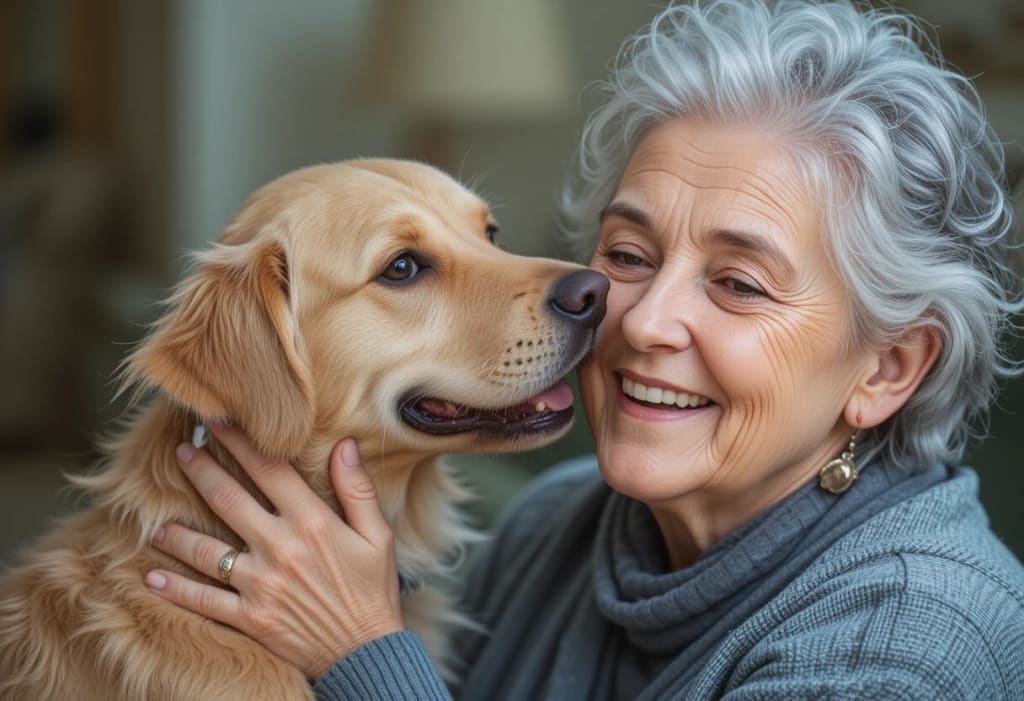
As we age, companionship and emotional well-being become increasingly important. For seniors, pets can provide much more than just a furry friend—they can offer emotional support, promote physical activity, and enhance the overall quality of life. Whether it’s a dog, cat, bird, or even a smaller animal like a rabbit, the emotional benefits of pets for seniors are significant.
In this article, we will explore how having a pet can improve the emotional well-being of older adults, reduce feelings of loneliness, encourage physical activity, and even help seniors manage health issues. We’ll also discuss why pets can be an important part of maintaining a fulfilling lifestyle in later years.
Combatting Loneliness with Companionship
One of the most significant emotional challenges for seniors is loneliness. As people age, they may experience a reduction in social interaction due to retirement, the loss of loved ones, or physical limitations. This can lead to feelings of isolation and depression. However, pets provide invaluable companionship and can significantly alleviate these feelings.
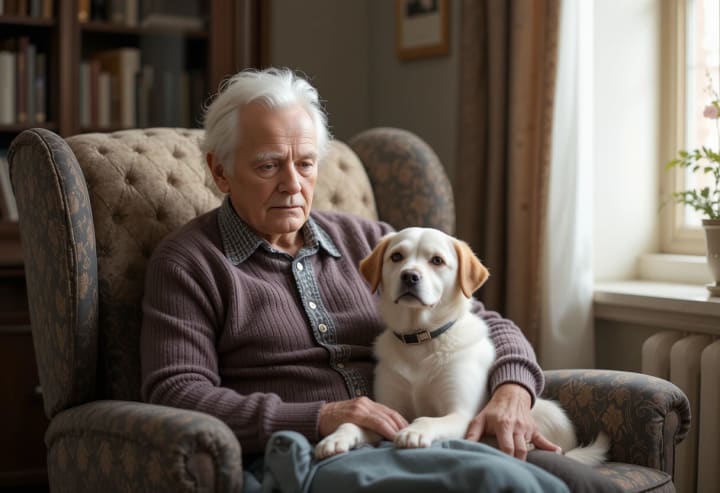
Pets, particularly dogs and cats, are often considered “best friends” to older adults. They offer constant companionship, a sense of purpose, and unconditional love. The simple act of having a pet by your side can make a senior feel less isolated, as pets tend to stay close to their owners, providing a comforting presence. A dog, for instance, will follow its owner around, curl up next to them, and be a constant source of companionship.
Many studies have shown that having a pet can reduce feelings of loneliness in seniors. The act of caring for a pet can help build a daily routine and create a sense of structure, which can further alleviate isolation. In fact, some seniors who live alone report that their pets are their primary source of comfort and emotional support.
Reducing Stress and Anxiety with Pets
The emotional benefits of pets for seniors go beyond just companionship. Studies have also shown that pets can help reduce stress and anxiety, which is particularly important for older adults who may experience heightened stress due to health concerns, life transitions, or the loss of loved ones.
Petting a dog or cat has been shown to reduce levels of cortisol (the stress hormone) and increase oxytocin (the “feel-good” hormone), which promotes feelings of happiness and relaxation. Spending time with pets can also serve as a distraction, helping seniors take their minds off worries and anxieties.
For seniors with conditions like Alzheimer’s disease or dementia, pets can provide a sense of calm and routine. The nonverbal communication that occurs between pets and their owners can also help stimulate emotional connections and reduce agitation. Many facilities that care for seniors with cognitive impairments have incorporated pets into their environments to improve the emotional well-being of residents.
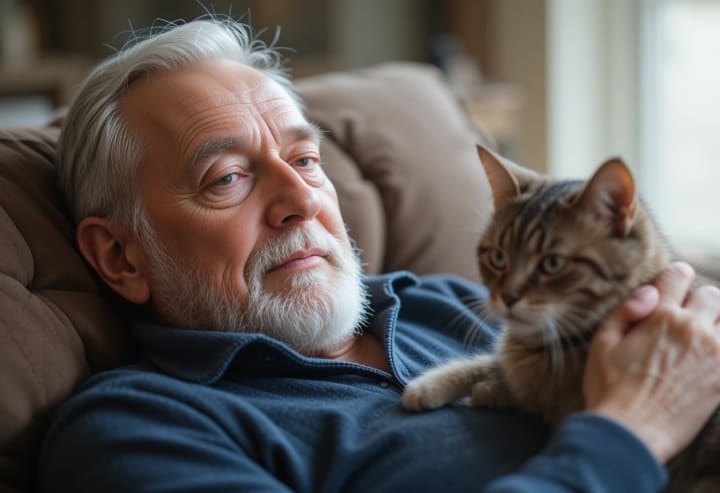
Encouraging Physical Activity and Healthy Habits
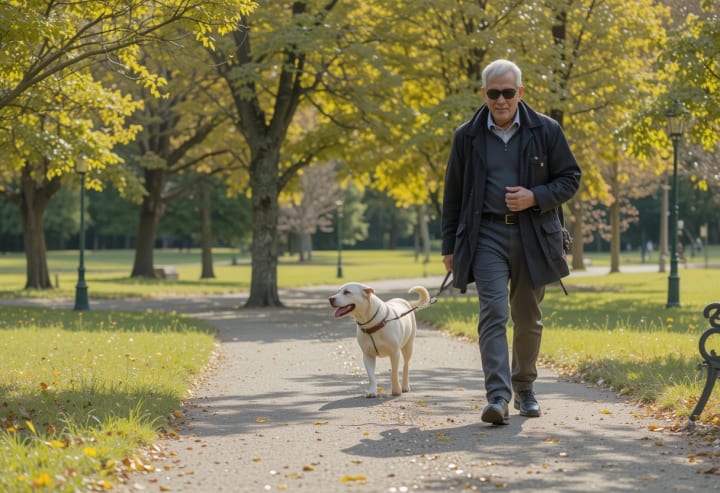
While pets provide emotional support, they can also encourage physical activity—which is another key benefit for seniors. For example, dogs require regular walks, which can encourage older adults to be more active. Regular exercise is crucial for maintaining mobility, cardiovascular health, and overall physical well-being, especially as we age.
The routine of walking a dog provides seniors with both mental and physical exercise. It encourages them to get outside, enjoy fresh air, and interact with the community, which can improve their mood and energy levels. Even seniors who may not be able to take long walks can still benefit from taking their dog outside for short, manageable strolls.
Cats, while not as physically demanding as dogs, still provide an opportunity for physical interaction, such as playing or grooming. Playing with a pet can help seniors stay physically active, which is especially beneficial for maintaining hand-eye coordination and mobility.
Creating a Sense of Purpose and Responsibility
Another important emotional benefit of pets for seniors is that they provide a sense of purpose. As people age, especially after retirement, they may begin to feel as though they no longer have a meaningful role or purpose. Having a pet requires regular care, feeding, and attention, which gives seniors something to focus on and take pride in.
Pets offer a sense of responsibility, even for older adults. Feeding, grooming, and caring for a pet can be incredibly fulfilling. This routine of care-giving helps to maintain a sense of structure and self-worth, which is particularly important for seniors who may otherwise feel isolated or purposeless. The unconditional love and reliance of a pet can also help boost a senior’s self-esteem, knowing that they are providing care for another living being.
Enhancing Emotional Stability and Mental Health
The emotional connection between a senior and their pet can also play a key role in enhancing mental health. Seniors who have pets often report feeling less depressed and more optimistic. This emotional connection can boost mood and help regulate emotions, making it easier for seniors to cope with the challenges of aging.
Research has shown that pet ownership can lower the risk of depression in older adults. For many seniors, their pets serve as a lifeline—providing emotional stability during difficult times, such as dealing with the loss of a spouse or coping with physical limitations due to health issues. The presence of a pet can help foster a sense of calm and alleviate negative emotions like sadness or anxiety.
Moreover, pets encourage positive interactions and socialization, both of which can further improve a senior’s emotional well-being. When seniors walk their dogs, for instance, they may encounter neighbors or other pet owners, which can lead to friendly exchanges and a sense of connection with others. This social interaction is beneficial for mental health and combats isolation.
The Importance of Choosing the Right Pet for Seniors
When considering pets for seniors, it’s important to choose the right type of pet that suits their lifestyle and physical capabilities. Not all pets are appropriate for every senior, as different animals have different needs and energy levels.
For active seniors who enjoy going on walks and outdoor activities, a dog might be the perfect companion. On the other hand, cats or smaller animals like rabbits or guinea pigs can be a good fit for seniors who may prefer a lower-maintenance pet. Birds or fish can also provide a sense of peace and companionship, especially for those who are less physically active.
It’s important for families to consider the senior’s living situation, mobility, and personal preferences when selecting a pet. For example, a senior who lives in an apartment may prefer a smaller dog or a cat, as larger dogs may require more space and outdoor activity.
Pets and Seniors: A Lifelong Bond
The bond between seniors and their pets is truly special. Pets and emotional well-being for seniors is a powerful connection that offers countless benefits. As pets provide companionship, emotional support, and encouragement for physical activity, they also help foster a sense of self-worth, stability, and purpose in the later stages of life.
It’s important to remember that pet ownership is a two-way street. Not only do pets benefit from love and care, but seniors also experience improved quality of life, greater happiness, and emotional health. Whether it’s the wag of a dog’s tail, the purr of a cat, or the flutter of a bird’s wings, pets are powerful companions for seniors—making their later years more fulfilling and emotionally rewarding.
Final Thoughts
The emotional benefits of pets for seniors are immeasurable. From reducing loneliness and stress to encouraging physical activity and providing a sense of purpose, pets play a vital role in improving the quality of life for older adults. Seniors who have pets are more likely to experience greater emotional well-being, better mental health, and an overall enhanced quality of life.
By choosing the right pet and offering them the care and attention they need, seniors can enjoy a deep, meaningful relationship that benefits both the pet and the person. Whether you’re a senior considering getting a pet or a family member looking to support a loved one, it’s clear that pets can make a world of difference for older adults—emotionally, mentally, and physically.
About the Creator
Pawltu
Being a pet parent is a big responsibility, and that's why we are passionate about offering high-quality products, expert advice, and practical tips to make pet care easier, cleaner, and more enjoyable for both you and your pet.
A Dart at Dusk
Seconds ago, the sullen sun set on the two of us… my exuberant furry companion and me. A fresh breeze embraces us, delivering welcome relief from the day’s oppressive heat. His typical stumbling and staggering along — apace with a sloth — has turned into trip-trapping, high-stepping, almost skipping along.
By Angie the Archivist 📚🪶6 days ago in Petlife



Comments
There are no comments for this story
Be the first to respond and start the conversation.