
The Do’s and Don’ts of Cat Care: A Comprehensive Guide for Feline Owners
Cats are fascinating creatures that have been beloved companions to humans for thousands of years. Their playful and independent nature, combined with their endearing personalities, make them excellent pets. As cat owners, it is our responsibility to provide them with the best possible care and ensure their well-being. However, cat care is not as straightforward as it may seem, and there are several essential do’s and don’ts that every feline owner should be aware of to guarantee a happy and healthy life for their furry friends.
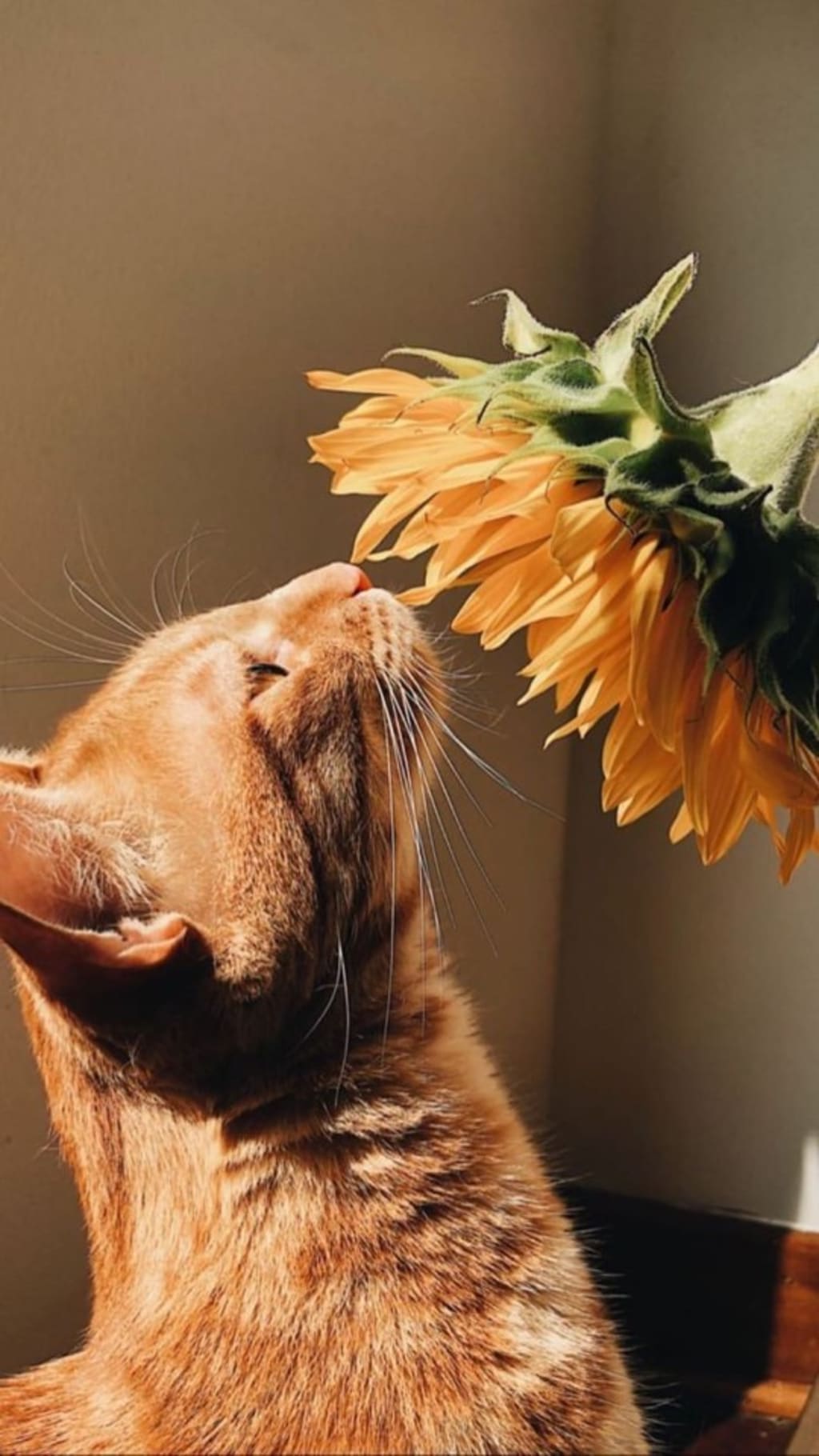
Cats are fascinating creatures that have been beloved companions to humans for thousands of years. Their playful and independent nature, combined with their endearing personalities, make them excellent pets. As cat owners, it is our responsibility to provide them with the best possible care and ensure their well-being. However, cat care is not as straightforward as it may seem, and there are several essential do’s and don’ts that every feline owner should be aware of to guarantee a happy and healthy life for their furry friends.
Part I: The Do’s of Cat Care
1. Do Provide Proper Nutrition:
High-quality cat food that meets your feline’s dietary needs is essential for their overall health. Cats are obligate carnivores, meaning they require a diet rich in animal proteins. Always opt for commercially balanced cat food or consult your veterinarian for advice on homemade diets.
2. Do Ensure Fresh Water:
Keep a bowl of fresh, clean water available for your cat at all times. Hydration is crucial for their kidney function and overall well-being.
3. Do Regular Veterinary Check-ups:
Routine visits to the veterinarian are essential to monitor your cat’s health and catch any potential issues early on. Vaccinations, parasite prevention, and dental care should also be part of the regular check-up routine.
4. Do Create a Safe Environment:
Cats are curious creatures, but they can get themselves into dangerous situations. Ensure your home is cat-proofed by removing toxic plants, securing hazardous substances, and keeping dangerous objects out of reach.
5. Do Provide Enrichment:
Cats need mental and physical stimulation to stay happy and healthy. Offer toys, scratching posts, and climbing structures to keep them entertained and prevent destructive behavior.
6. Do Respect Their Personal Space:
Cats are independent animals and appreciate having their personal space respected. Allow them to come to you for attention and avoid forcing affection upon them.
7. Do Regular Grooming:
Long-haired breeds, in particular, require regular grooming to prevent matting and hairballs. Short-haired cats benefit from grooming too, as it helps minimize shedding and hair ingestion.
8. Do Consider Adopting:
Consider adopting a cat from a shelter or rescue organization rather than buying from breeders. There are countless cats in need of loving homes, and adoption is a rewarding experience that saves lives.
Part II: The Don’ts of Cat Care
1. Don’t Declaw Your Cat:
Declawing is a painful and unnecessary procedure that involves the amputation of a cat’s toes up to the first joint. Instead, provide appropriate scratching posts and training to prevent furniture damage.
2. Don’t Overfeed or Underfeed:
Maintaining a healthy weight is crucial for your cat’s well-being. Avoid overfeeding, as obesity can lead to various health issues. Similarly, underfeeding can result in malnutrition and other health problems.
3. Don’t Skip Litter Box Maintenance:
Cats are clean animals and prefer a tidy litter box. Regularly clean the litter box, and consider providing one per cat, plus an extra, to avoid territory disputes.
4. Don’t Use Punishment-Based Training:
Positive reinforcement is the most effective way to train your cat. Avoid punishment-based training, as it can cause fear and anxiety in your feline friend.
5. Don’t Neglect Dental Care:
Dental health is vital for cats, and dental issues can lead to more severe health problems. Regularly brush your cat’s teeth and provide dental treats or toys to help keep their teeth clean.
6. Don’t Ignore Behavioral Changes:
If your cat’s behavior suddenly changes, such as hiding, loss of appetite, or increased aggression, it could be a sign of underlying health issues. Consult your veterinarian to rule out any medical problems.
7. Don’t Allow Free Roaming Outdoors:
Outdoor cats are exposed to various dangers, including traffic, predators, and exposure to diseases. Keeping your cat indoors or providing a safe, enclosed outdoor space is a safer alternative.
8. Don’t Skip Parasite Prevention:
Regularly administer flea, tick, and worm prevention treatments to protect your cat from parasites that can cause discomfort and health problems.
Conclusion:
Caring for a cat involves love, dedication, and a good understanding of their needs. By following the do’s and don’ts outlined in this comprehensive guide, you can ensure that your feline companion enjoys a happy, healthy, and fulfilling life. Remember, every cat is unique, so pay attention to their individual preferences and requirements to create a strong and loving bond that will last a lifetime.
About the Creator
Keep reading
More stories from Aessy Lefiano and writers in Petlife and other communities.
A Comprehensive Guide to the Do’s and Don’ts of Responsible Dog Ownership
Part I: The Do’s of Dog Ownership 1. Do Provide Proper Nutrition: A well-balanced diet is the cornerstone of good health for your dog. Consult with a veterinarian to determine the best diet for your dog’s age, size, and specific health requirements. Choose high-quality dog food that meets their nutritional needs, and avoid feeding them table scraps, as certain human foods can be harmful to dogs. 2. Do Regular Exercise: Regular exercise is essential for a dog’s physical and mental well-being. Take your dog for daily walks, engage in playtime, and consider activities such as fetch or agility training to keep them mentally stimulated and physically fit. 3. Do Schedule Routine Veterinary Check-ups: Regular visits to the veterinarian are crucial to monitor your dog’s health, receive vaccinations, and address any potential medical concerns. Establishing a preventive healthcare routine can prevent serious illnesses and ensure your dog lives a longer, happier life. 4. Do Socialize Your Dog: Socialization is key to raising a well-adjusted and friendly dog. Introduce your dog to various people, animals, and environments from a young age, and use positive reinforcement to build their confidence and trust. 5. Do Provide Mental Stimulation: Dogs are intelligent creatures that need mental stimulation to prevent boredom and destructive behavior. Puzzle toys, interactive games, and training sessions can engage your dog’s mind and strengthen your bond. 6. Do Keep Your Dog Safe: Ensure your dog’s safety by providing a secure and comfortable environment. Secure your yard with proper fencing, use a leash during walks, and keep toxic substances, plants, and small objects out of your dog’s reach. 7. Do Practice Positive Reinforcement Training: Positive reinforcement training, such as using treats, praise, and affection, is a humane and effective way to teach your dog commands and desirable behavior. Reward-based training builds trust and strengthens the bond between you and your dog. 8. Do Consider Adoption: If you’re ready to welcome a dog into your family, consider adopting from a shelter or rescue organization. Adoption not only provides a loving home for a dog in need but also brings joy and fulfillment to your life. Part II: The Don’ts of Dog Ownership 1. Don’t Neglect Grooming: Regular grooming is essential for your dog’s hygiene and overall health. Brush your dog’s coat to prevent matting and shedding, clean their ears, and trim their nails regularly. Neglecting grooming can lead to skin issues and discomfort. 2. Don’t Overlook Dental Care: Dental health is often overlooked in dogs, but it is critical to their well-being. Brush your dog’s teeth regularly, offer dental treats, and schedule dental check-ups with your veterinarian to prevent dental problems. 3. Don’t Leave Dogs Alone for Extended Periods: Dogs are social animals that thrive on companionship. Leaving them alone for long periods can lead to anxiety and behavioral issues. If you have a busy schedule, consider hiring a dog walker or enrolling your dog in doggy daycare. 4. Don’t Use Punishment-Based Training: Punishment-based training methods, such as hitting or yelling, are harmful and counterproductive. They can lead to fear and aggression in dogs. Instead, focus on positive reinforcement and patience during training sessions. 5. Don’t Skip Vaccinations and Preventative Medications: Vaccinations and preventative medications are essential to protect your dog from diseases and parasites. Stay up-to-date with their vaccinations and administer flea, tick, and heartworm preventatives as recommended by your veterinarian. 6. Don’t Allow Off-Leash Walking in Unsafe Areas: While off-leash walking can be enjoyable for dogs, it should only be done in safe, designated areas. Uncontrolled off-leash dogs can pose a risk to other dogs, wildlife, and even themselves. 7. Don’t Overfeed or Underfeed: Maintaining a healthy weight is crucial for your dog’s overall health. Obesity can lead to numerous health issues, while underfeeding can result in malnutrition and weakness. Follow your veterinarian’s feeding guidelines and adjust based on your dog’s activity level and age. 8. Don’t Ignore Behavioral Changes: If your dog’s behavior suddenly changes, such as increased aggression, lethargy, or loss of appetite, it could be a sign of underlying health issues. Seek veterinary attention promptly to address any medical concerns. Conclusion: Owning a dog is a rewarding experience that comes with great responsibility. By following the do’s and don’ts outlined in this guide, you can provide your canine companion with the love, care, and attention they deserve. Remember, each dog is unique, and understanding their individual needs is crucial to building a strong and lasting bond. With proper care and attention, you and your dog can enjoy a fulfilling and joyous life together.
By Aessy Lefiano2 years ago in Petlife
A Dart at Dusk
Seconds ago, the sullen sun set on the two of us… my exuberant furry companion and me. A fresh breeze embraces us, delivering welcome relief from the day’s oppressive heat. His typical stumbling and staggering along — apace with a sloth — has turned into trip-trapping, high-stepping, almost skipping along.
By Angie the Archivist 📚🪶7 days ago in Petlife




Comments
There are no comments for this story
Be the first to respond and start the conversation.