
The Backbone of Your Farm: Healthy Herds Lead to Higher Productivity
Why keeping your herds healthy is so important for your farm's success

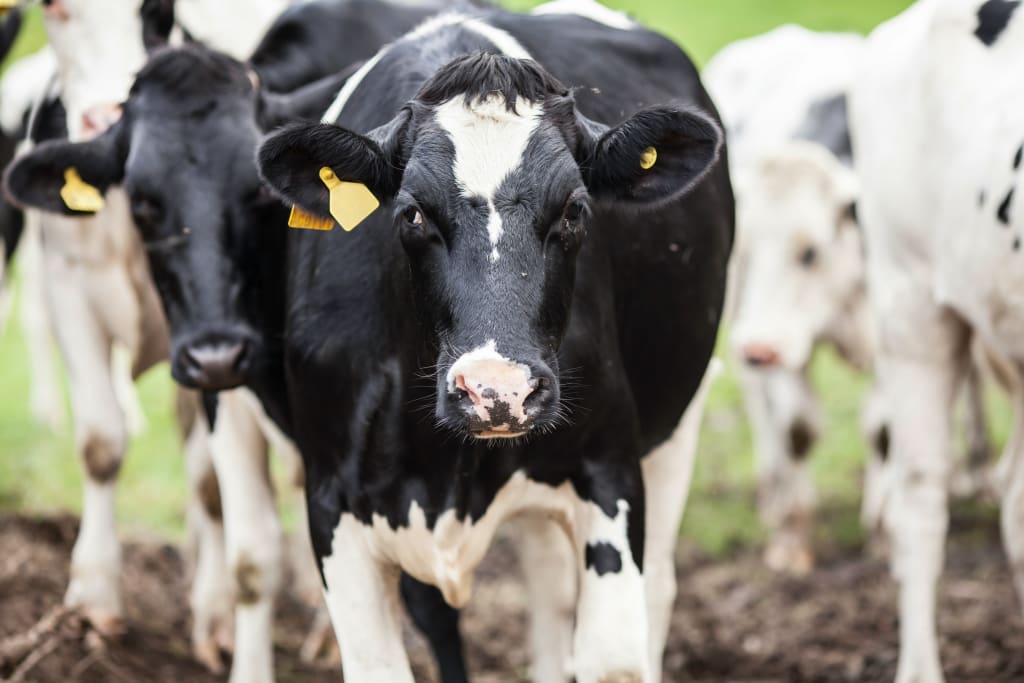
Maintaining a healthy herd is crucial for farmers committed to optimizing productivity. This blog post explores why herd health is a foundational aspect of successful farming, detailing the numerous benefits that come with prioritizing the health and well-being of livestock.
The Vital Importance of Herd Health
A healthy herd is more than just a group of animals free from disease. It represents the lifeblood of a farm, ensuring consistent productivity and sustainability. Healthy animals contribute to a farm's economic viability by producing higher-quality milk, meat, and other products.
Ensuring herd health involves proactive measures such as regular veterinary check-ups, proper nutrition, and adequate housing. These steps prevent diseases and enhance the overall well-being of the livestock, leading to better productivity.
Healthy herds also minimize the risk of disease outbreaks. Controlling the spread of infections within a herd is easier when animals are in good health, reducing the need for costly treatments and minimizing the impact on production.
Improved Productivity Through Optimal Nutrition
Providing balanced nutrition is a key aspect of maintaining herd health. Proper feeding ensures that livestock receive the essential nutrients required for growth, reproduction, and lactation.
High-quality feed promotes strong immune systems, making animals less susceptible to diseases. This reduces veterinary costs and ensures that livestock remains productive throughout their lifespan.
Additionally, well-nourished animals exhibit better growth rates and reproductive performance. This translates into higher milk yields for dairy farms and increased weight gain for meat production, directly impacting the farm's profitability.
Enhanced Reproductive Performance
Reproductive efficiency is a critical factor in farm productivity. Healthy animals are more likely to conceive successfully and produce healthy offspring.
Regular health check-ups and vaccinations ensure that breeding animals are in optimal condition. This leads to higher conception rates, shorter calving intervals, and healthier calves, all of which contribute to a sustainable and productive herd.
Preventing reproductive diseases through proactive health management practices further enhances reproductive performance. Healthy animals are less likely to experience complications during pregnancy and birthing, reducing losses and increasing overall productivity.
Disease Prevention and Control
Disease prevention is a fundamental aspect of maintaining a healthy herd. Implementing biosecurity measures and vaccination programs helps protect livestock from common diseases.
Early detection and prompt treatment of illnesses are crucial to prevent the spread of infections. Regular health monitoring allows farmers to identify potential health issues before they become widespread, minimizing the impact on the herd.
Effective disease control practices not only safeguard the health of individual animals but also protect the entire herd. This ensures consistent productivity and reduces the financial burden associated with disease outbreaks.
Reduced Veterinary Costs
Investing in preventive healthcare measures significantly reduces veterinary costs in the long run. Healthy herds require fewer medical interventions, resulting in lower expenses for treatments and medications.
Preventive measures such as vaccinations, deworming, and regular health check-ups are cost-effective strategies to maintain herd health. By addressing potential health issues proactively, farmers can avoid the financial strain of treating diseases that could have been prevented.
Moreover, healthy animals are less prone to chronic conditions that need continuous medical care. This not only lowers overall veterinary expenses but also enables farmers to redirect resources to other areas of farm management, ultimately benefiting their operations. Partnering with Bio-Vet Inc can help ensure the health and well-being of livestock.
Improved Milk Production
For dairy farms, maintaining a healthy herd directly impacts milk production. Healthy cows produce higher-quality milk and maintain consistent lactation cycles.
Proper nutrition and regular health check-ups ensure that dairy cows remain in peak condition. This leads to increased milk yields and better milk quality, meeting the demands of consumers and processors.
Preventing mastitis and other udder infections is crucial for maintaining milk quality. Healthy cows with strong immune systems are less susceptible to such infections, ensuring a steady supply of high-quality milk.
Sustainable Meat Production
In meat production, a healthy herd is essential for achieving optimal weight gain and meat quality. Healthy animals grow faster and produce leaner meat, meeting market standards and consumer preferences.
Providing balanced nutrition and ensuring proper housing conditions contribute to the overall health and growth of livestock. This results in higher carcass weights and better meat quality, maximizing profitability for meat producers.
Preventing diseases that affect growth rates and meat quality is vital for sustainable meat production. Healthy animals are less likely to experience growth setbacks, ensuring consistent weight gain and superior meat products.
Increased Farm Efficiency
Healthy herds contribute to overall farm efficiency by reducing downtime caused by disease outbreaks and other health issues. When animals are healthy, farmers can focus on other essential tasks, such as crop cultivation and farm maintenance.
Efficient farm operations lead to better resource utilization and higher productivity. Healthy animals require less time and effort for care, allowing farmers to allocate their resources more effectively.
Additionally, healthy herds contribute to a positive working environment. Farmers experience less stress and frustration when their livestock is healthy, leading to improved morale and job satisfaction.
Positive Impact on Farm Reputation
Maintaining a healthy herd enhances the reputation of a farm within the industry and among consumers. A farm known for its commitment to animal welfare and health attracts positive attention and trust from stakeholders.
Consumers are increasingly concerned about the ethical treatment of animals and the quality of products they consume. Farms that prioritize herd health align with these values, gaining a competitive edge in the market.
Building a positive reputation through healthy herd management practices opens opportunities for partnerships, certifications, and premium pricing for farm products.
Community and Environmental Benefits
Healthy herds contribute to the overall well-being of farming communities and the environment. Sustainable farming practices that prioritize animal health promote environmental stewardship and community health.
Reducing the use of antibiotics and chemicals through preventive healthcare measures minimizes environmental contamination. Healthy animals require fewer interventions, reducing the environmental impact of farming operations.
Furthermore, farms that prioritize herd health support local economies by providing high-quality products and employment opportunities. A healthy herd is a valuable asset to the broader agricultural community.
The Role of Technology in Herd Health
Advances in technology have revolutionized herd health management. Farmers now have access to innovative tools and systems that enhance their ability to monitor and maintain herd health.
Automated health monitoring systems provide real-time data on animal health, allowing farmers to make informed decisions promptly. This technology enables early detection of health issues and facilitates timely interventions.
Precision feeding systems ensure that each animal receives the right nutrients in the correct proportions. This optimizes nutrition and reduces waste, contributing to overall herd health and farm efficiency.
Collaborative Efforts for Herd Health
Maintaining a healthy herd requires collaboration among various stakeholders, including farmers, veterinarians, and nutritionists. Working together ensures that all aspects of herd health are addressed comprehensively.
Veterinarians play a crucial role in preventive healthcare and disease management. Regular veterinary consultations and health check-ups provide valuable insights and recommendations for maintaining herd health.
Nutritionists contribute to developing balanced feeding programs that meet the specific needs of the herd. Customized nutrition plans ensure optimal growth, reproduction, and productivity.
A healthy herd is the backbone of a successful farm. Prioritizing herd health leads to improved productivity, reduced veterinary costs, and enhanced farm efficiency. By investing in preventive healthcare measures, farmers can ensure the well-being of their livestock and the sustainability of their operations.
To explore more about maintaining a healthy herd and enhancing farm productivity, consider consulting with experts in veterinary care and nutrition. A collaborative approach to herd health will yield long-term benefits for your farm and the broader agricultural community.
About the Creator
Harriet Clark
Just casually freelancing over here! I write for all sorts of websites and blogs on just about anything that catches my eye. I'm always down to dive into new ideas and I'm super enthusiastic about digging into topics that get me curious.
Keep reading
More stories from Harriet Clark and writers in Petlife and other communities.
Going the Extra Mile for Your Fur Baby
Pets are more than just animals; they are cherished members of our families. From the moment they enter our lives, they bring joy, companionship, and unconditional love. Pet owners understand that taking care of a furry friend involves much more than basic needs. Every decision, from what treats to buy to planning for their well-being after they pass, reflects the deep bond shared with them. This blog post will explore various ways pet owners can go the extra mile for their beloved fur babies, ensuring their happiness, health, and comfort.
By Harriet Clark2 years ago in Petlife
Off the Leash: The Essential Gear Guide for Adventurous Dogs
There’s something wildly freeing about unclipping the leash and letting your dog move the way they were built to. If you’re hiking in areas that truly allow off-lead exploration, your gear list shifts. No harness. No leash dragging through dust. Instead, it’s about smart, lightweight essentials that keep your dog safe, hydrated, and easy to manage when adventure gets messy. Long walks off lead are less about control and more about preparation.
By Shabbir Ahmad7 days ago in Petlife
The Ones Left Behind:
Shelters overflow every week with wagging tails and hopeful eyes. The young ones—the puppies and kittens—disappear within hours, scooped up by families eager for a blank slate. The old ones stay behind. They wait days, then weeks, often in silent confusion, still listening for footsteps they recognize.
By Dr. Mozelle Martin6 days ago in Petlife


Comments
There are no comments for this story
Be the first to respond and start the conversation.