science
Study the science of animals to get a deeper understanding of your pet's brain, body and behavior.
Dog
Selecting a well balanced and healthy diet for your dog can be a difficult albeit challenging task if you let it. The colorful branding and trendy packaging can easily get the best of you and obscure your discernment of a dog food product. The dog's diet is one best secret to keep your pet healthy and vibrant for many years to come. It's therefore important that you purchase a diet that will supply your pet with vital nutrients and enable it to thrive.
By Biswajit Dey4 years ago in Petlife
DOG
You may all know the importance of daily brushing and flossing for regular good health of your teeth and gums, but that's as humans and also thanks to dental health education being so updated today. But, did you stop to consider the fact that since science has revealed oral health benefits us by lowering our risk of cardiac problems, it could well be the same for our canine pals? Keeping this medical fact in mind, pet owners are advised to pay extra attention to cleaning their dog's teeth regularly to keep diseases such as plaque and tartar at bay; even a simple swipe across Fido's gums with a clean damp cloth should do the trick!
By Biswajit Dey4 years ago in Petlife
If money were no object, would you clone your pet?
CC's life is a long experiment, and her birth seems to prove the omnipotence of human beings to bring the dead back to life. In recent years, there are also biological institutions in China advocating this business opportunity, but is it really good to clone cats?
By christean talley4 years ago in Petlife
Going Extinct
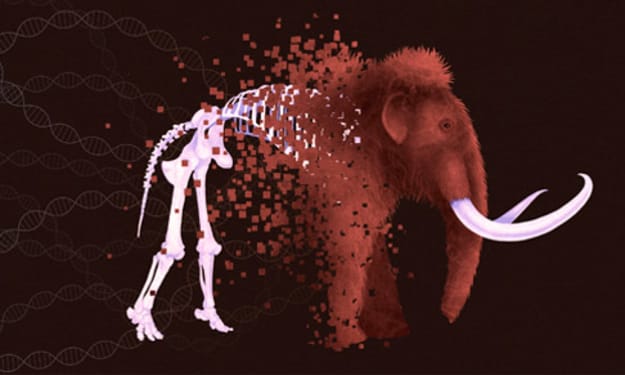
Extinction is an unpleasant subject. It is a natural phenomenon that occurs when a particular thing, plant, or animal ceases to exist. 137 species of animals go extinct every single day. This causes a domino effect on an ecosystem that could change the landscape of a region forever. Some factors that cause extinction are habitat loss, introducing a destructive new species, a rival’s population growth, and overconsumption of a particular food group. During an apocalyptic event, there will be an enormous drop in humans leading these animals toward a path to extinction.
By M.L. Lewis4 years ago in Petlife
Cannibal Animals, That's Nasty
I was casually scrolling through the web and a thought came to my mind. Last week at work, a teacher who has praying mantis in her class told me that they are cannibals. I already knew that the female bits off the male mantis' head after becoming having the offspring. But I did not know that they become cannibals when they have nothing to eat.
By Michael J. Harris5 years ago in Petlife
Feral cats in urban environments Research/Survey grant proposal
*Authors Note - I wrote this research paper while I was in college. Since then, we have more scientific data that tells us more about feral cats and the behavior of all cats that spend time outdoors. This was a topic I was passionate about then and that I am still passionate about today. I believe we should all, as pet owners, be responsible pet owners. Limit the time your cat spends outside if you can and have your dogs and cats spayed or neutered. Sorry not sorry to get all Bob Barker on y'all.
By Floyd Doolittle5 years ago in Petlife
What Exactly is Animal Communication?
Human to human telepathy was given a name in the 1880s. It is a means of communication without speaking or using our best known senses of sight, touch and hearing to interpret the message. We have other senses that we use less often, like intuition. Anyone can tune in to the common language of the universe with a bit of practice and trust. In this language, it makes no difference if you speak Italian or Spanish and wish to communicate with a shark in Norway. The language is universal, and the information comes in pictures, words (in the language you understand) and feelings.
By Brenda Mockler5 years ago in Petlife