
Surge in Avian Flu Cases Among Cats Raises Alarms Over Human Transmission Risk
Experts warn that the spread of H5N1 avian influenza to domestic cats could signal a growing threat of mutation and potential human spillover
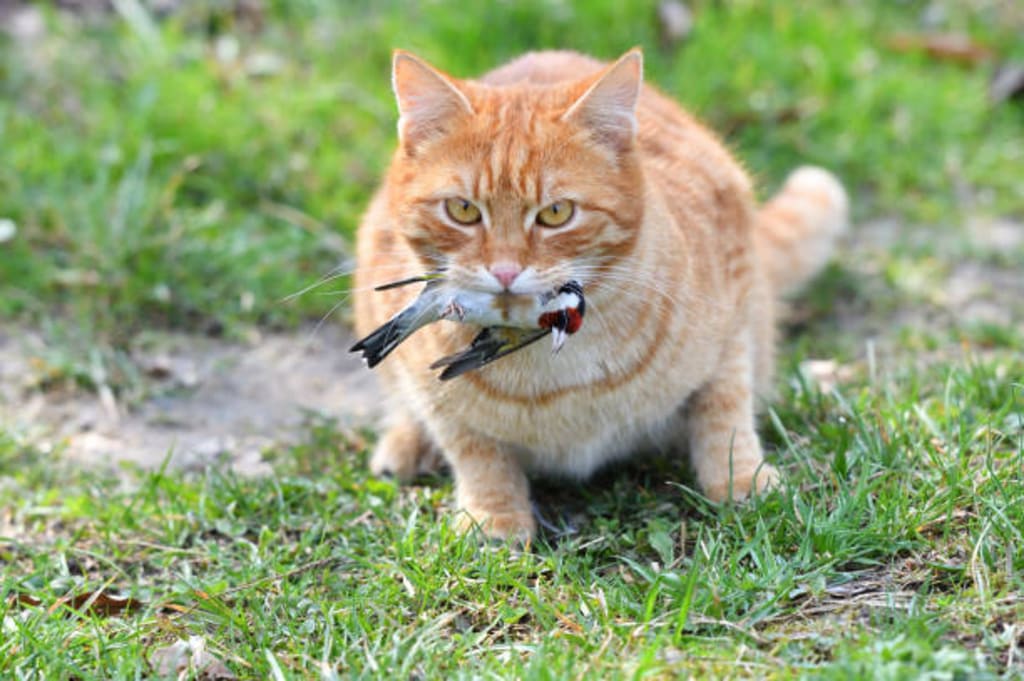
Spike in Avian Flu Cases in Cats Triggers Worry About Human Spillover
A sudden surge in avian influenza (H5N1) cases among domestic cats has prompted serious concern among global health authorities, as experts warn of the potential for the virus to adapt and spill over into the human population. While avian flu has primarily been a disease of birds, its growing presence in mammals—especially household pets—raises new red flags about pandemic preparedness.
Cats as New Victims in a Bird-Borne Epidemic
Historically, H5N1 has been known for its devastating impact on poultry farms and wild bird populations. In rare instances, it has jumped to humans, usually through direct contact with infected birds, often resulting in severe illness or death. However, these cases have been sporadic and have not led to sustained human-to-human transmission.
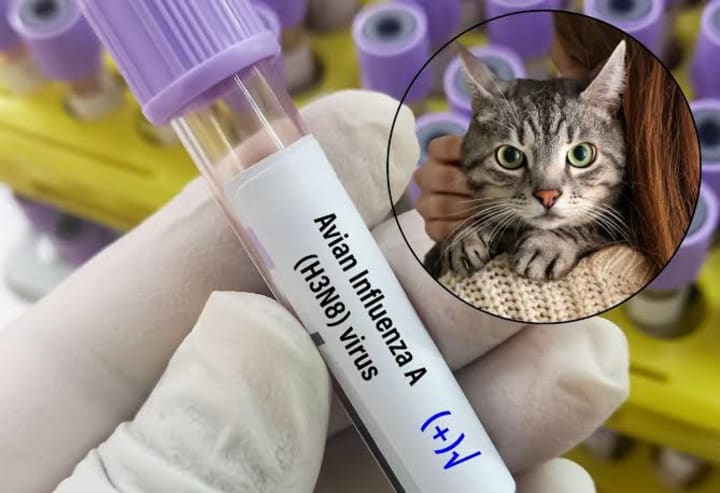
In recent months, however, veterinary clinics across Europe, Asia, and parts of North and South America have reported clusters of H5N1 infections in domestic cats. In Poland, for example, more than 30 cats tested positive for the virus in a single month. Similar reports have emerged from China, Thailand, the United Kingdom, and Argentina. Many of the affected cats showed signs of severe respiratory distress, neurological symptoms, and in numerous cases, sudden death.
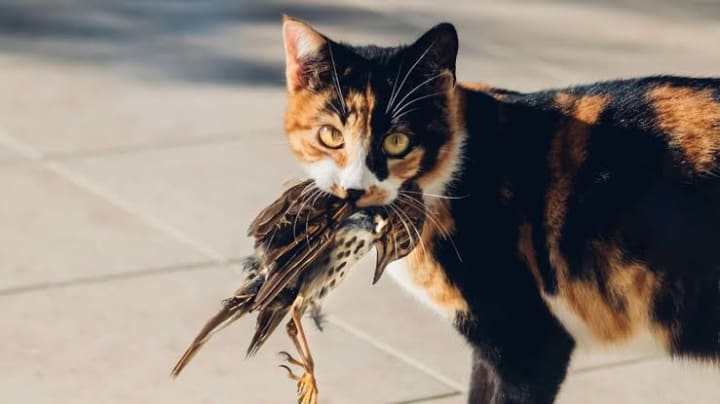
Epidemiologists suspect that many of these infections stem from cats eating infected birds or coming into contact with contaminated environments. In some urban areas, feral cats who scavenge on dead wildlife or raw poultry waste are especially vulnerable.
Why This Matters: Spillover Risk
The real concern is not merely the health of cats but what their infections signal for humans. When avian influenza infects mammals, it enters a biological environment that is more similar to that of humans than that of birds. This gives the virus an opportunity to mutate in ways that could make it more adept at infecting humans.
Dr. Elena Morozova, a virologist at the World Health Organization (WHO), warned in a recent briefing: “Each time the H5N1 virus infects a mammal, it rolls the dice. Some of those genetic changes may make it easier for the virus to infect humans, or even transmit from human to human.”
Cats are particularly concerning hosts because they live in close proximity to people. Unlike farm animals or wildlife, domestic cats often share spaces, beds, and even food with their human owners. A mutated strain of H5N1 that can efficiently transmit from cat to human—or even from human to human—would have serious implications for public health.
Signs of Mutation?
While there is no confirmed evidence yet of human-to-human transmission stemming from these feline cases, scientists are closely monitoring the virus’s genetic evolution. In several lab studies, strains of H5N1 isolated from cats have shown changes in key receptor-binding domains—parts of the virus that determine which species it can infect. These mutations suggest that the virus is under evolutionary pressure to adapt to mammalian hosts.
Moreover, researchers are investigating a small number of cases where cat owners developed flu-like symptoms after their pets fell ill. Though no definitive link has been established, these cases underscore the need for greater surveillance.
Precautions and Public Guidance
Animal health authorities are urging pet owners to take preventive measures. These include keeping cats indoors, avoiding feeding them raw meat or poultry, and reporting any sudden illness or unexplained deaths to veterinary professionals.
Dr. Laura Kim, a veterinary infectious disease specialist at the University of California, recommends that people who work with birds or poultry practice strict hygiene and avoid close contact with animals that may have been exposed to wild birds. “We’re not saying people should panic,” she says, “but they should stay alert and follow basic biosecurity measures.”
In response to the outbreak, several countries have intensified monitoring of domestic animals and wildlife for avian influenza. The WHO, World Organisation for Animal Health (WOAH), and national governments are working together to improve early detection systems and ensure rapid response to emerging cases.
Preparing for the Worst
Though the world is still recovering from the COVID-19 pandemic, the rise in H5N1 cases among cats serves as a stark reminder that zoonotic diseases—those that jump from animals to humans—remain a pressing global threat.
Public health experts are calling for increased investment in “One Health” approaches, which emphasize the interconnectedness of human, animal, and environmental health. Such strategies include coordinated disease surveillance across species, improved veterinary infrastructure, and greater public awareness about the risks of animal-borne diseases.
As the situation develops, vigilance remains key. The growing incidence of avian flu in cats is not yet a crisis, but it is a warning shot across the bow. Whether this virus stops with cats—or moves on to humans—may depend on how quickly and effectively the world responds.
About the Creator
A Dart at Dusk
Seconds ago, the sullen sun set on the two of us… my exuberant furry companion and me. A fresh breeze embraces us, delivering welcome relief from the day’s oppressive heat. His typical stumbling and staggering along — apace with a sloth — has turned into trip-trapping, high-stepping, almost skipping along.
By Angie the Archivist 📚🪶6 days ago in Petlife
Your Puppy Can Feel Your Stress Instantly
The Incredible Science Behind How Puppies Sense Your Emotions and React Before You Even Realize It --- You walk into the room, shoulders slumped, jaw tight, heart racing from a stressful day. Before you even speak, your puppy is there—tail tucked, eyes alert, nose nudging your hand. Almost magically, they know something is wrong.
By Ahmed aldeabella3 days ago in Petlife


Comments
There are no comments for this story
Be the first to respond and start the conversation.