
Summer Safety Tips For Your Four-Legged Canine Friend
Summer Safety Tips

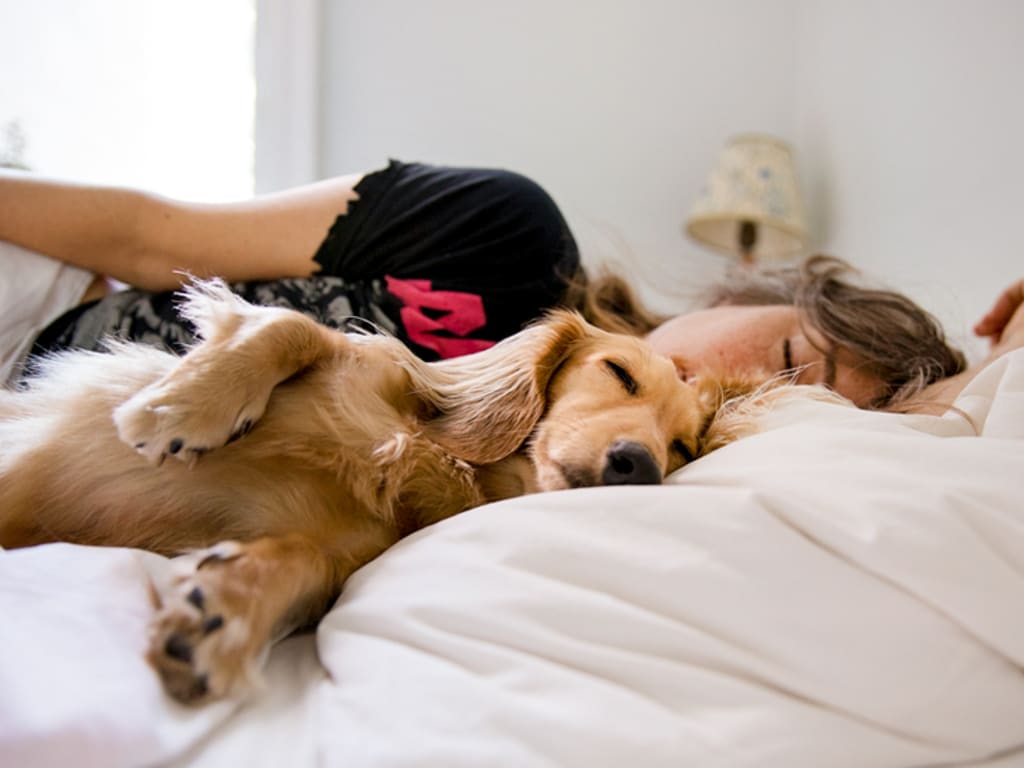
Every summer, hundreds of animals suffer unnecessarily as a result of their owners failing to take the necessary precautions against the excessive heat. Follow these basic guidelines below to ensure that your beloved pet enjoys – and survives – the hottest months of the year.
Avoid Taking The Dog For A Walk During The Day
When the weather is hot, it is best to stop taking your dog for a stroll. The issue with walking or exercising during the hottest part of the day is that you will not be able to cool your dog down quickly enough if you see signs of heat stroke. Consider shifting your pet's walking routine to earlier in the day or later in the evening during the summer. Consider placing protective shoes on your dog's feet if you live in an area that is incredibly hot even during these periods.
Keep Bugs At Bay
Ticks and other summer insects are another popular pet safety concern. Bugs can not only hold viruses, but the methods used to keep them at bay can also be harmful to your outdoor pet's health. Fertilizers and pesticides can help keep your lawn looking nice, but they can be extremely hazardous to your pet. To minimize the prevalence of ticks and other insects in places where your pets play, keep the grass cut short. When walking your dog, keep an eye out for pesticide warnings on the lawns of your neighbors. Consult your veterinarian on the effective ways to prevent your pet from fleas, ticks, and other insects that are more common in the summer.
Make Sure There Is Plenty Of Water And Shade Available
Over the summer, dehydration in animals is a real risk. When it gets hot, our dogs are much thirstier than we are. Dry gums and heavy drooling are symptoms of dehydration. Make sure your pet always has access to safe, clean water inside the home, and carry a bottle with you when you go outside. During the summer months, you might also turn to a wet dog food to maximize fluid intake. Keep your pet as much as possible in the shade. Although animals enjoy sunbathing, direct sunlight can overheat them (particularly dogs) and cause heat stroke.
Keep Your Pet Groomed For The Summer
Skin cancer is a common type of cancer in dogs, and although their fur offers some sun protection, you should apply sunscreen every 3-4 hours to their least hair-covered areas: belly, paws, and nose. Certain ingredients, such as zinc oxide, can be poisonous to pets. During the hot summer months, many pet owners trim the fur; however, leave at least a full inch of fur as protection to help avoid sunburn.
Do Not Leave Pets In Cars
Every year, hundreds of animals die as a result of heatstroke after being left in hot cars. Temperatures may quickly rise in a matter of minutes even if you leave the windows opened a few inches. Don't put your pet in unnecessary danger and endanger their life. Instead, while doing chores, leave your canine friend at home where they can keep calm and relax.
Check If Your Dog Is Wearing Identification
We spend a lot of time outside with our pets during the summer, which raises the likelihood of them running away or being lost. Make sure your dog wears a collar with your contact number on it, and consider having your dog microchipped in case their collar slips off. One of the easiest ways to protect your dog from being lost is to keep them on a leash in unfenced areas.
Understand The Warning Signs
A normal temperature for a dog is between 100° and 103°F. Anything above that indicates that your pet is in danger. Dogs drink water and pant in order to reduce their body temperature. Keep an eye out for the following heatstroke symptoms:
• Excessive panting
• Dry or bright red gums
• Excessive drooling
• Vomiting/Diarrhea
• Shaky legs
You'll be able to relax, have fun, and enjoy the summer season with your pet once you've planned excellently for all the possible summer threats.
Get an alphatrak 2 pet glucometer for your canine companion to make diabetes management more efficient and convenient.
About the Creator
Jenifer Loras
I am a content writer. I started my career since from 2012 to onward, in this duration I have done so many successful content writing project and deliver to my valuable clients as well.
My personal website: https://dolgeneraldgme.com/
Keep reading
More stories from Jenifer Loras and writers in Petlife and other communities.
Eight Tips On How To Take Care Of Your New Puppy Pet
A puppy is a wonderful, fun, and precious addition to any family. Puppies are also a massive amount of work, but if you stick with it, you'll be rewarded with a faithful, happy, and loving partner. Your new puppy should be at least eight weeks old when you adopt them. Puppies are typically weaned at eight weeks, and removing them from their mothers before that time is unhealthy. If you're thinking of getting a puppy, read on below and learn how to care for puppies.
By Jenifer Loras5 years ago in Petlife
Off the Leash: The Essential Gear Guide for Adventurous Dogs
There’s something wildly freeing about unclipping the leash and letting your dog move the way they were built to. If you’re hiking in areas that truly allow off-lead exploration, your gear list shifts. No harness. No leash dragging through dust. Instead, it’s about smart, lightweight essentials that keep your dog safe, hydrated, and easy to manage when adventure gets messy. Long walks off lead are less about control and more about preparation.
By Shabbir Ahmad4 days ago in Petlife



Comments
There are no comments for this story
Be the first to respond and start the conversation.