
Eight Tips On How To Take Care Of Your New Puppy Pet
New Puppy Pet

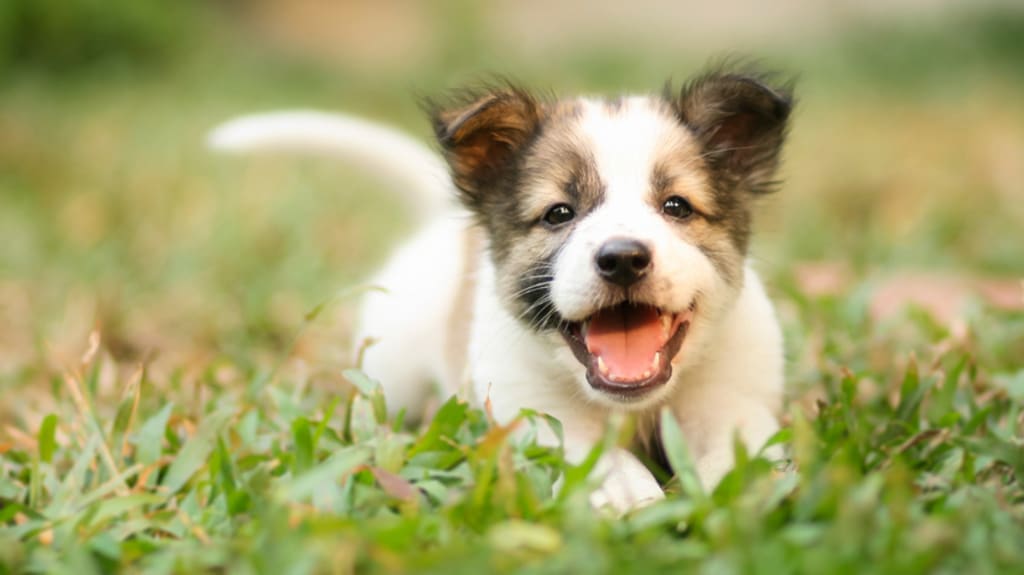
A puppy is a wonderful, fun, and precious addition to any family. Puppies are also a massive amount of work, but if you stick with it, you'll be rewarded with a faithful, happy, and loving partner. Your new puppy should be at least eight weeks old when you adopt them. Puppies are typically weaned at eight weeks, and removing them from their mothers before that time is unhealthy. If you're thinking of getting a puppy, read on below and learn how to care for puppies.
Puppy-Proof Your Home
Anyone who has welcomed a small child into their home understands that some daily things must be removed and held out of reach for the child's protection and care. Puppies, like babies and toddlers, are extremely inquisitive and will discover their new surroundings and contents. This might lead to them being placed in extremely unsafe circumstances!
To begin creating a safe zone, designate or fence off one area of the house that will serve as your puppy's new territory for the first few months. Then, keep the following things out of sight of your new puppy:
• Electrical appliances and cables
• Chemicals and poisons
• Plants
• Rugs
• Valuable items
• Litter
Similarly, sweep or vacuum the area on a regular basis to remove any minor hazards and to keep the place clean so your puppy can enjoy their new home comfortably.
Living Space
If the puppies were being tended by their mother, she would prefer a soft, warm spot out of direct sunlight. You must have this sort of atmosphere in the absence of their mother. A box should be big enough for the puppy's first home. Place the box in a dark, sheltered location. If the litter is big, you might need to purchase a child-size plastic tub. As the puppies grow, keep an eye on them and see if they can climb out of the box or pool. When puppies start running, they will climb in a remarkably short amount of time.
Feeding
It is important not to change your puppy's diet when rehoming; instead, ask the rescue center/breeder what food they use and hold them on the same food to avoid diarrhea and stomach upsets. If your pet's nose is runny for more than 24 hours, call your veterinarian.
Feed your puppy three to four times a day until they're at least six months old, at which point you can seek advice from your veterinarian. Make sure there is always a bowl of clean, fresh drinkable water.
Register With A Vet
Ask around to find a local veterinarian with whom you feel secure. Look for a veterinarian with a strong reputation, who enjoys working with animals and has new facilities. Check the address of the closest emergency clinic as well, so you know where to go if you need it.
A good clinic will walk you through the process of puppy vaccinations, deworming, disease control, and de-sexing. This is a good way to see how supportive they are and whether you should entrust your dog to them.
Create A Daily Grooming Routine
It is important to introduce your puppy to grooming as soon as possible in order to get them used to it and ensure their compliance. Teeth brushing, ear cleaning, nail trimming, brushing, and baths should all be done on a regular basis. Teeth should be brushed daily with a toothbrush or tooth and gum wipes, and you should develop a weekly schedule that involves ear cleaning, brushing, and bathing. Nail trimming can be needed as frequently as once a month. Dog Grooming Wipes are a perfect way to keep your puppy clean and fresh in between baths.
Puppy Insurance
It's a smart idea to think about pet insurance, but read the fine print carefully. Pre-existing illnesses would not be protected, so it is important to obtain protection when your pet is safe. Some 12-month plans will preclude circumstances under which a claim has been made when the policy is up for renewal. Don't forget to consider the price of each claim that you would pay, and shop around before making a purchase. Many puppies come with insurance; read the terms and conditions to find out who will pay for any health issues that arise over the next day or two.
Basic Training
You should start training your little canine friend as soon as you get them home. Enroll them in a dog training class when they are older to learn how to teach them basic commands. Make sure that everyone in the family uses the same commands when teaching your puppy at home. Keep dog training sessions brief and enjoyable.
When toilet-training your dog, remember to take them outside right after feeding, sleeping, or playing. Never punish a dog for soiling in the wrong spot because they may believe they are being punished for what he did rather than where they did it.
Puppy Socialization
Socialization is one of the most effective ways to raise a happy, safe, and well-behaved dog. Canines are pack animals that excel when they are regularly exposed to other people and dogs. Some dogs are inherently anxious, but with adequate socialization and relaxation, social anxiety, aggression, possessiveness, and other insecurities can also be prevented.
Positive experiences with other dogs and people are important for proper socialization. It is just as important to avoid negative experiences (especially when they are puppies) as it is to provide them with positive conditions.
Also, for your new puppy, consider the VETSCAN Canine Flex4 Rapid Test,which detects canine antibodies and is compact and highly accurate.
How To Take Care Of Your New Puppy Pet?
About the Creator
Jenifer Loras
I am a content writer. I started my career since from 2012 to onward, in this duration I have done so many successful content writing project and deliver to my valuable clients as well.
My personal website: https://dolgeneraldgme.com/
Keep reading
More stories from Jenifer Loras and writers in Petlife and other communities.
Common Mistakes That Most Dog Parents Make
Even the most compassionate and supportive animal parents quite often make mistakes that can cause a great deal of trouble for them as well as for their pet. Most of the time, that's just because they may not have all the information they need. One way to ensure that your dog enjoys a long, happy life is to mitigate the risks of the most common pet-parenting mistakes:
By Jenifer Loras5 years ago in Petlife
A Dart at Dusk
Seconds ago, the sullen sun set on the two of us… my exuberant furry companion and me. A fresh breeze embraces us, delivering welcome relief from the day’s oppressive heat. His typical stumbling and staggering along — apace with a sloth — has turned into trip-trapping, high-stepping, almost skipping along.
By Angie the Archivist 📚🪶6 days ago in Petlife
Your Puppy Can Feel Your Stress Instantly
The Incredible Science Behind How Puppies Sense Your Emotions and React Before You Even Realize It --- You walk into the room, shoulders slumped, jaw tight, heart racing from a stressful day. Before you even speak, your puppy is there—tail tucked, eyes alert, nose nudging your hand. Almost magically, they know something is wrong.
By Ahmed aldeabella3 days ago in Petlife



Comments
There are no comments for this story
Be the first to respond and start the conversation.