
Strategies for Dealing with Territorial Aggression in Dogs
Effective Techniques for Managing Your Dog's Territorial Aggression
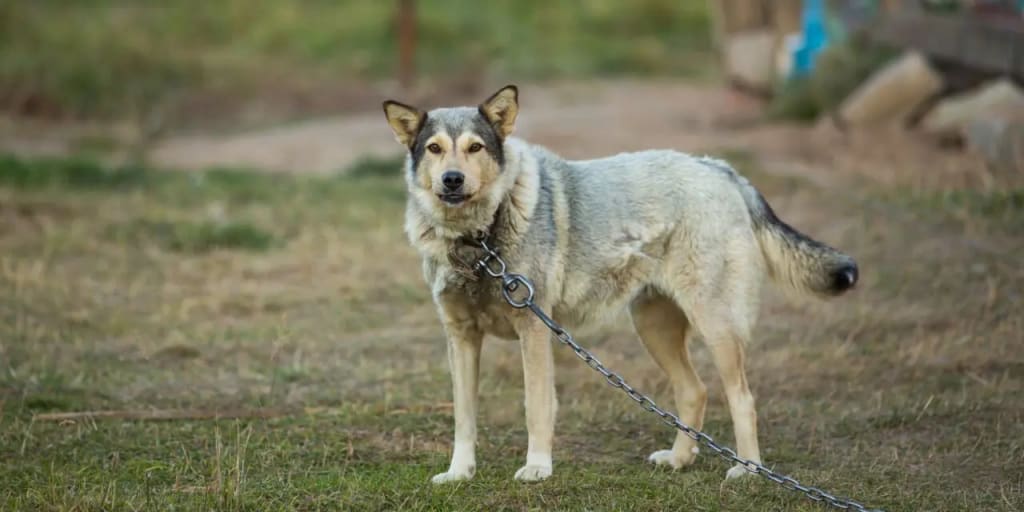
What is Territorial Aggression?
Territorial aggression is a common behavioral issue in dogs, arising from their instinct to defend their perceived space. This can lead to challenges for dog owners, as the aggressive behavior can be unpredictable and potentially dangerous.
Understanding Territorial Aggression
Before diving into management strategies, it’s important to understand why territorial aggression occurs. Dogs are inherently protective creatures, and their territory can include the home, yard, and even specific people within their household. Triggers for territorial aggression can vary greatly, from strangers approaching the house to other animals entering the yard.
Instinctual Behavior: Dogs have evolved with an innate desire to protect their resources, including their living area. This behavior is particularly strong in breeds known for guarding, such as German Shepherds or Rottweilers.
Lack of Socialization: Dogs that are not properly socialized may perceive unfamiliar people or animals as threats, leading to defensive aggression.
Negative Past Experiences: A dog that has had bad experiences with intruders, strangers, or other animals may develop an aggressive response to any perceived threat.
Strategies for Managing Territorial Aggression
Managing territorial aggression involves a multi-faceted approach. Here are effective strategies to help your dog overcome this behavior:
Identify Triggers: Carefully observe your dog to determine what causes their aggression. Is it the mail carrier, other dogs, or visitors to your home? Knowing the triggers allows you to address the specific issues directly.
Socialization: Gradually introduce your dog to different people, animals, and environments in a controlled and positive manner. Socialization should begin in a low-stress setting and progressively increase as your dog becomes more comfortable.
Obedience Training: Teaching basic commands such as “sit,” “stay,” “come,” and “leave it” can help establish control and provide your dog with a clear understanding of acceptable behavior. Regular training sessions reinforce these commands and build a stronger bond between you and your dog.
Boundary Setting: Use physical barriers like baby gates or fences to restrict your dog’s access to certain areas, especially during times when their aggression is likely to be triggered. This can help prevent incidents and give your dog a clear idea of their boundaries.
Positive Reinforcement: Reward your dog for calm behavior in situations that typically trigger aggression. Use treats, praise, or playtime to reinforce positive interactions. This method encourages your dog to associate good behavior with rewards.
Consult a Professional: If your dog’s aggression is severe or not improving with basic training, seek advice from a professional dog trainer or a veterinary behaviorist. These experts can offer tailored solutions based on your dog’s specific needs.
Adequate Exercise and Mental Stimulation: Regular physical activity helps reduce pent-up energy that can contribute to aggressive behavior. Activities like fetch, tug-of-war, or long walks can help. Additionally, mental stimulation through puzzle toys or training games keeps your dog engaged and less focused on territorial guarding.
Frequently Asked Questions
Q: Can all dogs overcome territorial aggression?
A: Many dogs can learn to manage their aggression with the right training and socialization. However, the success of these efforts depends on factors such as breed, age, past experiences, and the individual dog’s temperament.
Q: How long does it take to see improvements?
A: The timeline for improvement varies. Some dogs may show progress within a few weeks of consistent training and socialization, while others may take several months or longer.
Q: Is medication necessary for managing aggression?
A: In some cases, a veterinarian may prescribe medication to manage aggression, especially if it’s linked to anxiety or other behavioral issues. Medication is typically used in conjunction with behavioral training.
Conclusion
Managing territorial aggression in dogs requires a dedicated and consistent approach. By understanding the causes of aggression and implementing these strategies, you can create a more peaceful environment for your dog and family. Patience and persistence are key, and with the right support, most dogs can learn to respond more calmly to perceived threats.
About the Creator
BR D
Hello! My name is Brianna, and I am a passionate writer.
A Dart at Dusk
Seconds ago, the sullen sun set on the two of us… my exuberant furry companion and me. A fresh breeze embraces us, delivering welcome relief from the day’s oppressive heat. His typical stumbling and staggering along — apace with a sloth — has turned into trip-trapping, high-stepping, almost skipping along.
By Angie the Archivist 📚🪶2 days ago in Petlife
Speechless Mohsen
The Loyal Dog: A Lesson in Love and Faithfulness Aamir had grown up living with his grandparents, and his daily routine revolved around family, school, and their small shop. After finishing his classes at school and the local madrasa, he would hurry to his grandfather’s small general store, carrying lunch from home for his uncle. His uncle, a teacher at a nearby school, would take over the shop in the afternoon, while his grandfather went home to rest. By night, his uncle would manage the shop alone
By Sudais Zakwana day ago in Petlife



Comments
There are no comments for this story
Be the first to respond and start the conversation.