
Service dogs and why they are important.
They are more than the family pet
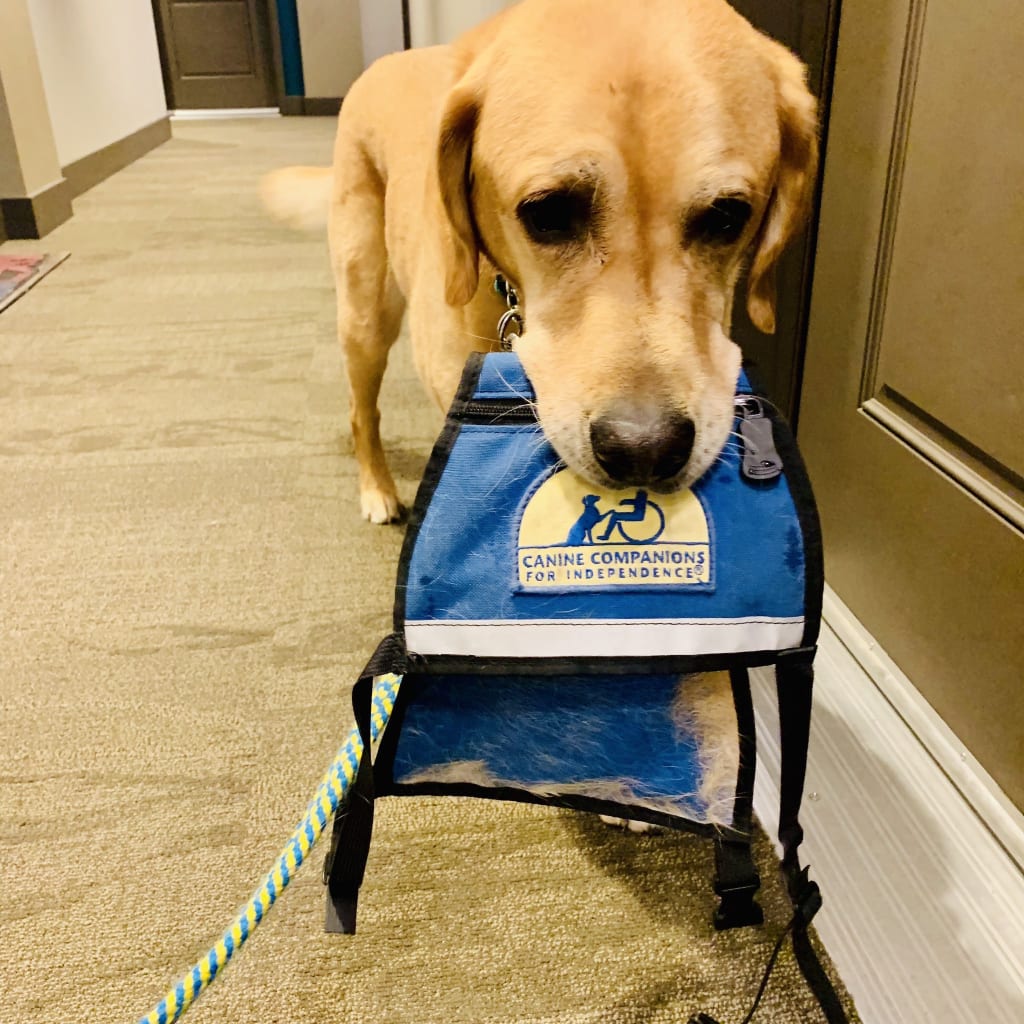
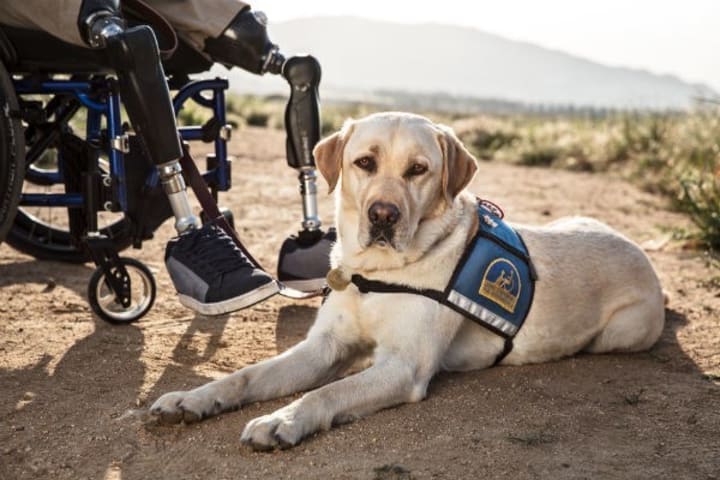
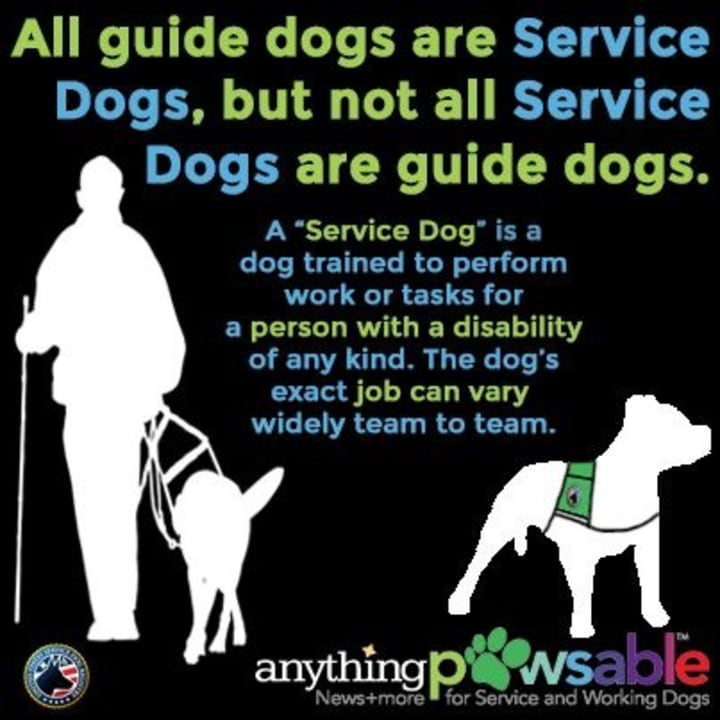
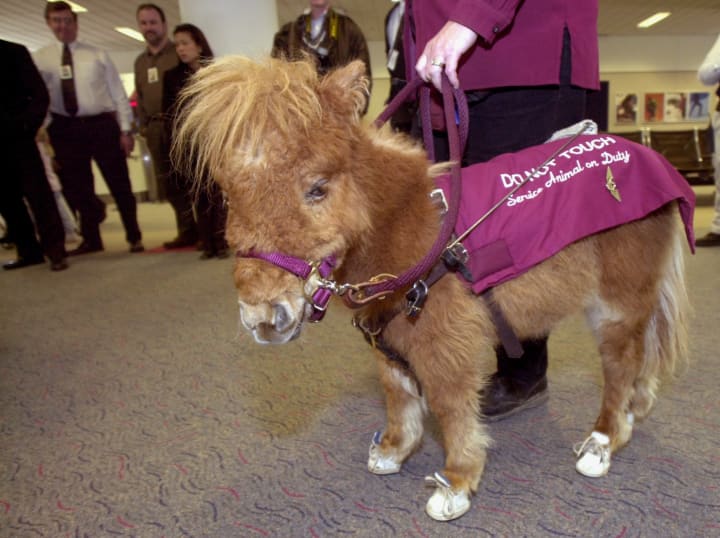
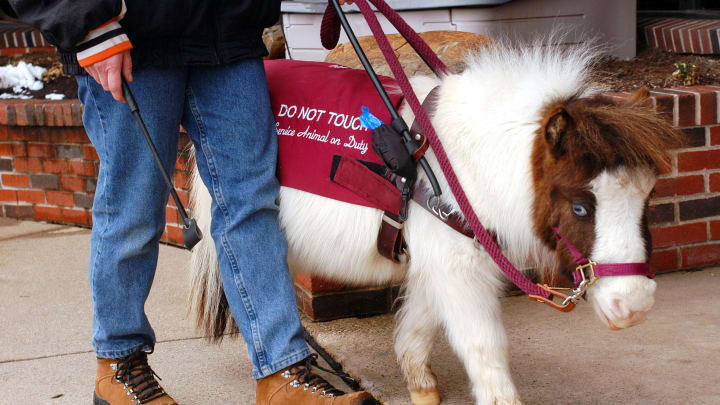
Service dogs are trained to assist someone with a physical or mental disability. (Miniature Horses can also be trained as service animals as a dog alternative.) But Dogs are the most common service animals.
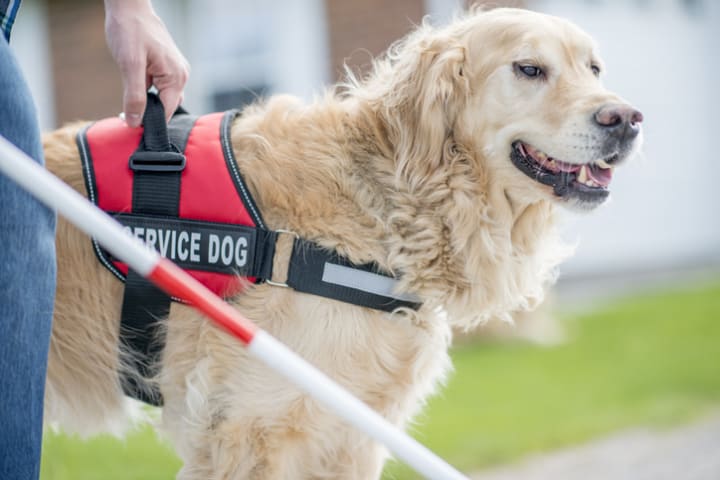
Multiple organizations train all kinds of service dogs, including guide, mobility, psychiatric, and seizure service dogs, as well as Autism service dogs for children.
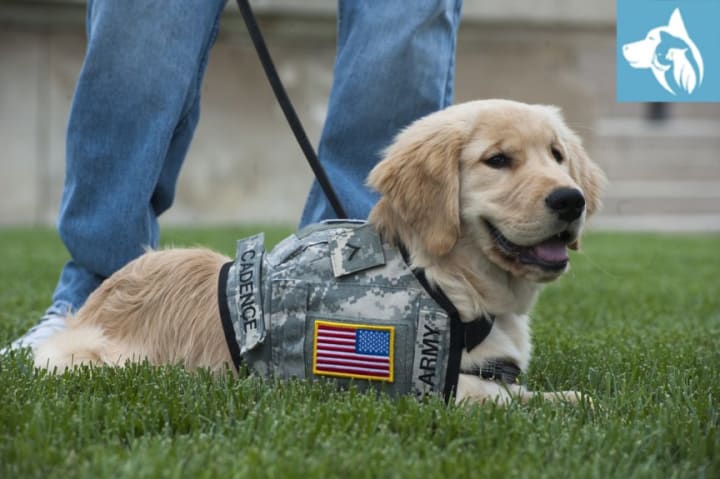
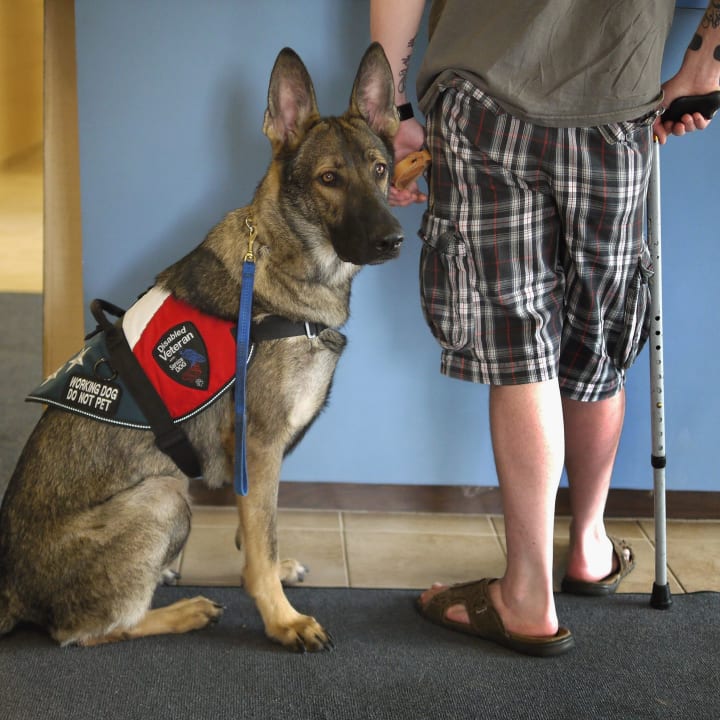
Many service dog organizations train dogs for disabled veterans.
Some laws protect a Service dog’s handler but not the dog. These laws are called the Americans with Disabilities Act.
George H. W. Bush signed the law on July 26th, 1990. The service animal part of the law came into place in March 2011.
Service dogs are essential to protect the safety of their handlers while out in public.
They give their handlers independence and allow them to live independently and do things by themselves without help from a human companion, like going shopping, to the doctor, or to a movie with friends.
When the dogs can do their job, they can keep their handler happy and healthy and sometimes keep them out of the hospital.
These service dogs, called medical alert or response dogs, can help their handler avoid a health crisis in a public setting.
Service dogs can go anywhere in public their handler can. Some exceptions include churches and other places of worship, hospital burn units, and operating rooms.
Service dogs can also go on Airplanes and sit in the cabin with their handler.
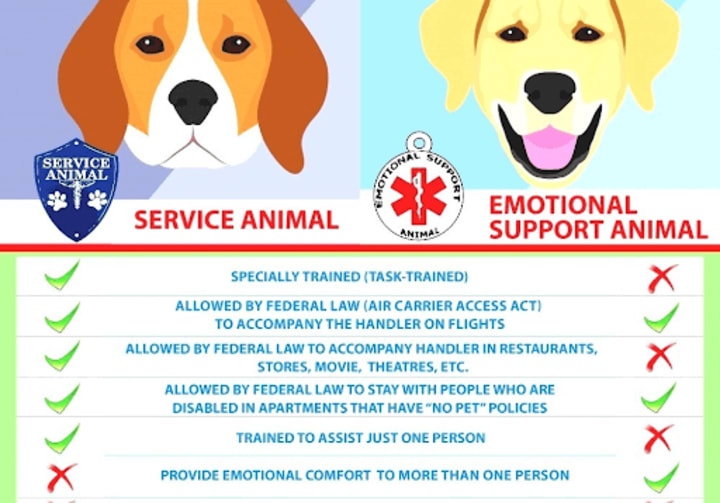
A new rule by the DOT (Department of Transportation), decided on December 3rd, 2020, states that an Emotional support animal has no right to sit in a cabin with its handler/owner.
This will prevent ill-behaved animals from being allowed into the cabin and disrupting the flight by urinating and defecating on the plane or biting or running on a flight, which is very bad for passengers and legitimate service dog teams and organizations.
While not all Emotional support animals are bad-behaved, the ones that were not well-behaved caused issues for the well-behaved emotional support animals.
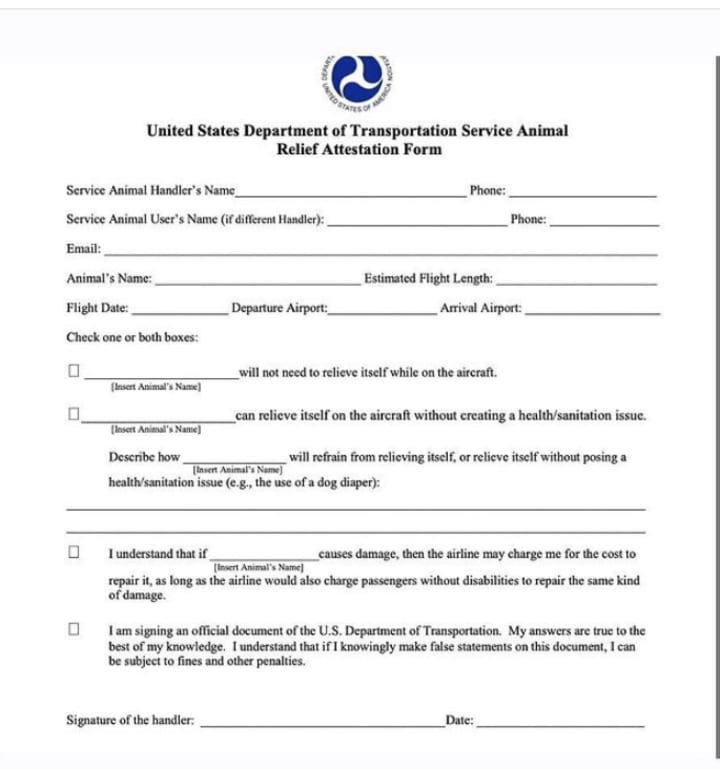
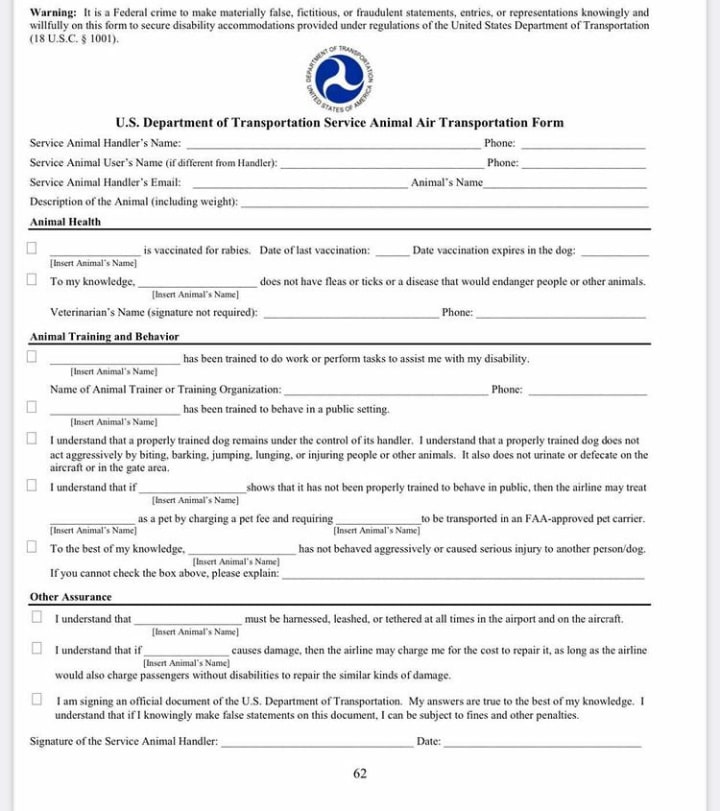
This new rule about service dogs on flights will require the dog’s handler to fill out forms stating the dog will not misbehave, disrupt the flight, or have a bathroom accident.
It also includes that the dog was properly trained and who trained the dog. (It applies to owner trainers too.) so the airline will know they are letting a legitimate service dog on their airplane.
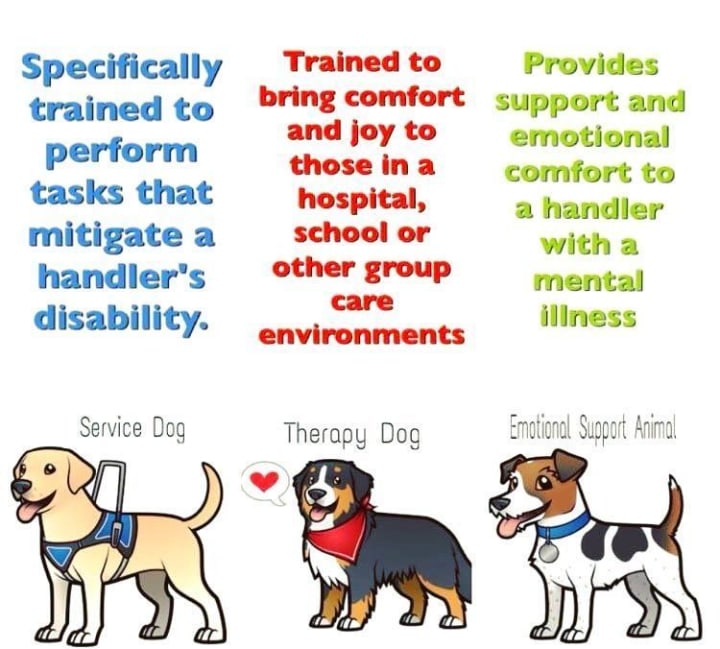
An emotional support animal is not a service animal. Service animals are mostly dogs or miniature horses trained for up to two years to help mitigate their handler’s disabilities.
Emotional support animals can only provide comfort, which is not considered a task by the ADA or state governments. According to the Fair Housing Act, ESAs have no public access rights and can only be placed in no-pet housing.
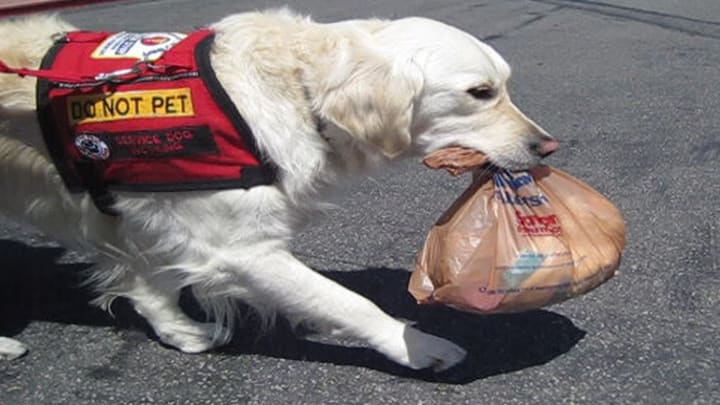
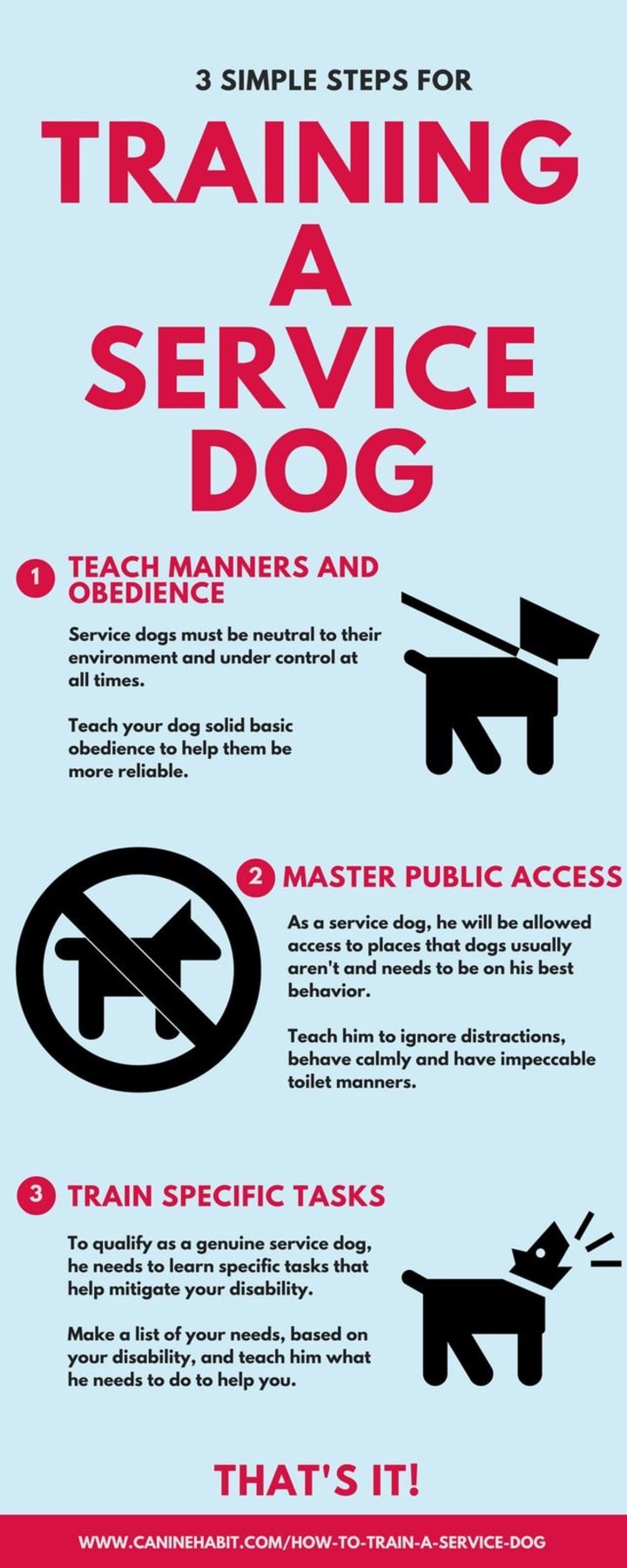
Service dogs should always be well-behaved in public. They should not urinate or defecate inside, sniff or eat anything off the floor, or bite people or merchandise (the only time a dog can pick something up is when it is a task to grab something for the handler).
If they do not behave, they can be kicked out of the public space if the handler cannot properly control their dog.
The dog must focus on the handler. However, scoping out the environment is ok.
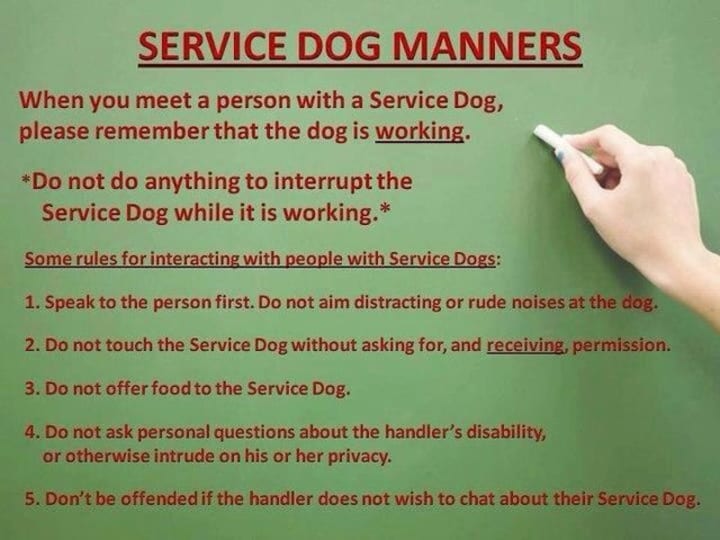
It must not be distracted by that environment. The dog is essential to its handler’s physical or mental well-being, so distracting them by feeding, petting, barking, or making other animal noises, staring at the dog, or taking a picture or video without the handler’s permission is rude, disrespectful, and, in some cases, illegal.
If the dog is tasking (e.g., helping its handler through a medical episode, calming them from a panic attack, or any other issue), leaving the dog and handler alone is super important!
If you try to distract the dog, the handler could be hurt and possibly end up in the hospital or dead just because you decided to distract the dog from the essential job it has.
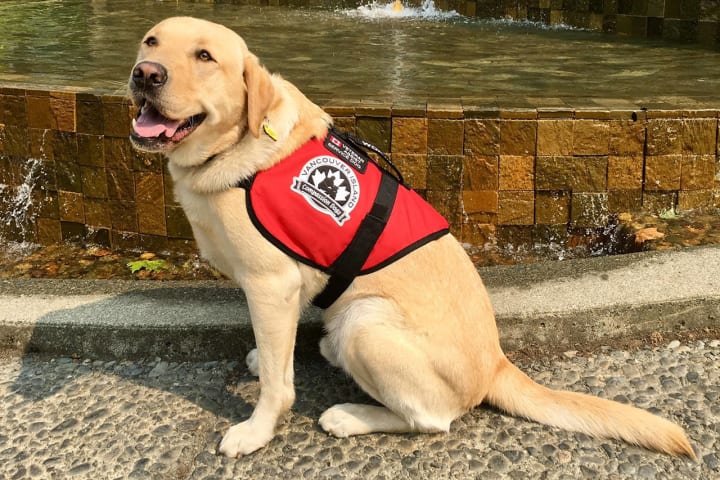
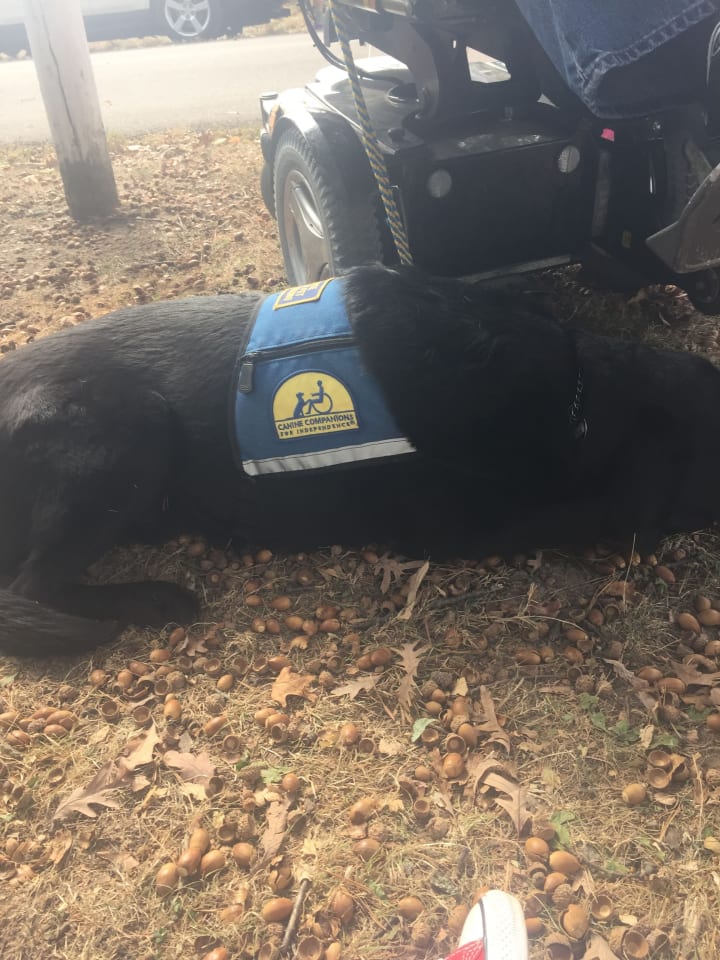
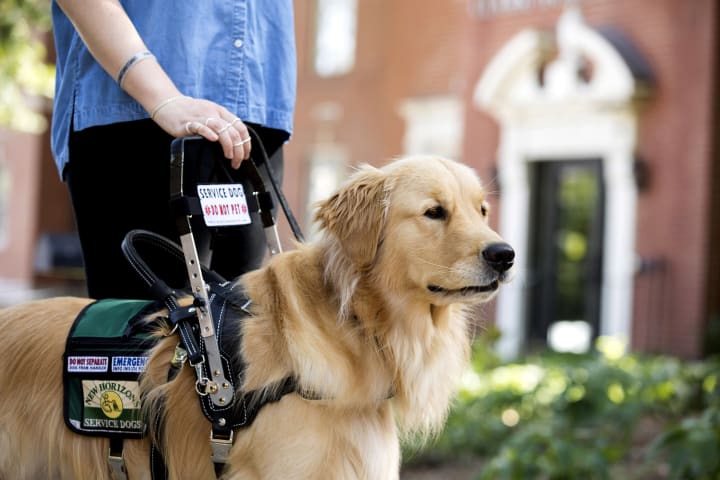
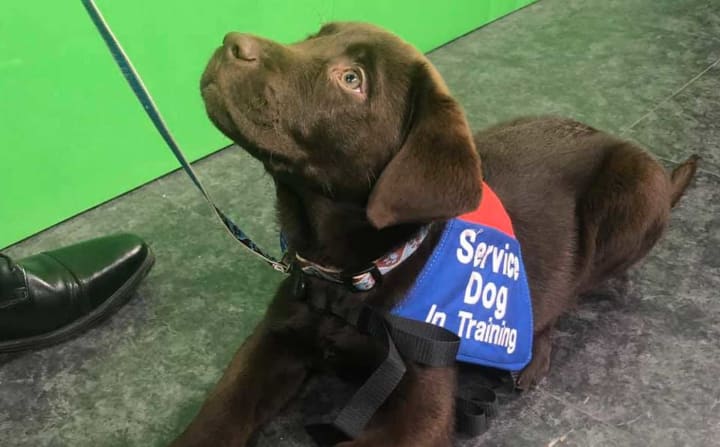
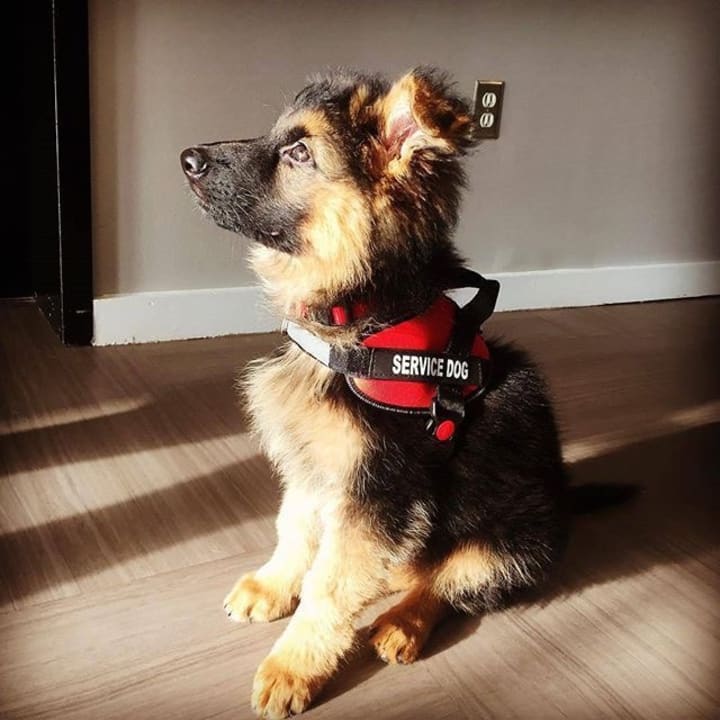
If a service dog approaches you, you can read the patches on its vest. If you need anything about it, you need to follow the dog. If the dog is distressed, it will lead you to it if they mention such a handler. Following this, they will also occasionally be taught to bark for help in an emergency.
But that is very rare. Most handlers have decided against training their dog to get help for fear of the dog being taken from them, and unfortunately, that has occurred more than once to multiple handlers in the service dog community. So many handlers have decided not to train this task or stop using it if it has already been trained.
Fake service dogs or ESAs can also cause an early retirement from an attack from a supposedly friendly dog.
This can cause the service dog to become reactive or aggressive, severely injured or anxious, and need to be retired.
Pets don’t belong in public places, especially if they are aggressive or not well-behaved. You might see it in public if you can’t control your dog to keep it from causing dog issues. Please leave the dog at home or a dog walkerep an eye on it when you can’t be with it or find a daycare or sitter to ke.
Many places train multiple types of service dogs, and they are all over the country. Some of the famous places are
Canine companions for independence
Pets4vets
The Seeing-eye
Guiding Eyes for the Blind
NEADS Service dogs
Autism Service Dogs of America
America's Vetdogs
Guide Dogs of America
MidAmerica Service dogs
Guide Dogs of the Desert
Heartland Service dogs
Many more organizations pair service dogs with people, but these are just a shortlist of a few.
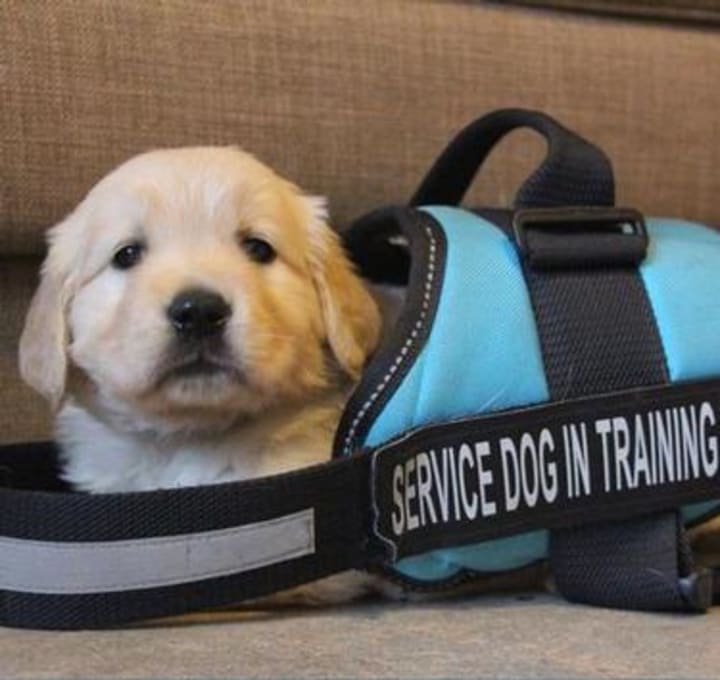
You can donate or raise a puppy if you want to help the organizations mentioned above.
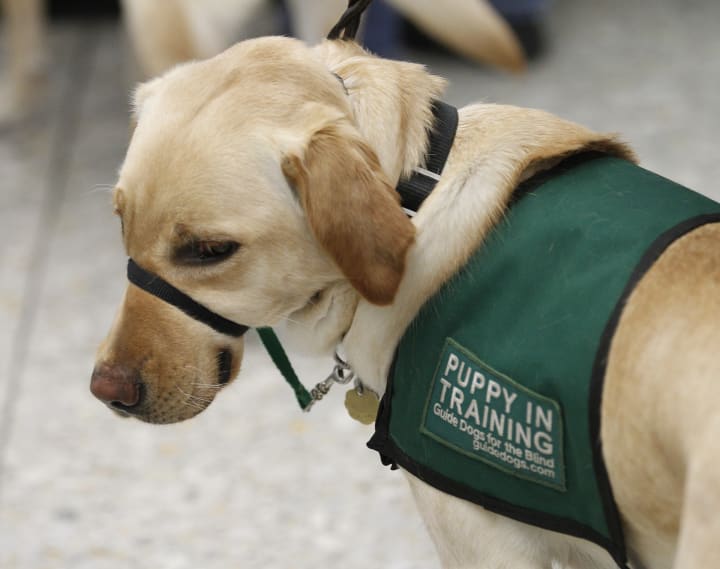
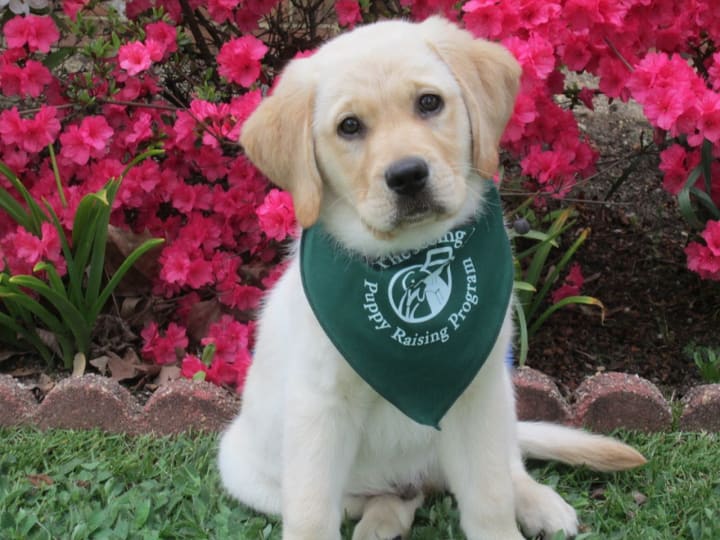
Puppy raisers raise a puppy from 8 weeks to a year old and then return the dog to the organization to continue advanced training to become a service dog fully. If the dog succeeds, you get invited to the graduation ceremony to watch the puppy you raise become someone’s partner and help them lead an independent life.
If the dog develops an issue that cannot be resolved, whether medical or psychological, you can request to adopt it.
If a puppy raiser can’t adopt the dog for whatever reason, the dog will be available for adoption through the organization to the public. If the dog has other traits that would make it sound like something else, it will be given to a different facility to become a police, Military, or search-and-rescue dog. These dogs are often referred to as career-changed dogs.
The dogs that do succeed will be greatly appreciated by their handler for the independence they give them. Depending on their job, the dogs will work until eight years old they are at lea. They can retire later with no health issues if it's not mobility-related. If the dog has a mobility-related job, they might need to retire earlier to avoid working them to the point of developing problems with their mobility.
Once the dog retires from its job, it becomes a pet, and the handler can repeat the process to get a successor dog.
After the service dog retires, the handlers can adopt the dog permanently (asons don’t let the handler permanently own the dog until the dog can retire). Some organizations can take the dog back at any time for any reason.
There is no law against this as most dogs given to the handler belong to the organization first and the handler second because the dogs are raised and trained for at least two years. Getting a dog from a program takes 2-3 years, sometimes longer.
First, someone fills out an application, which takes a long time to get accepted. If accepted, they go through a lengthy interview process; if they pass that, the wait continues. Once they get the call, they go to the organization's facility to work with some dogs and then to be paired with a dog they have a connection with.
Usually, people stay at a hotel, or the facility has a room for a person. The people are taught dog language, behavior, how the dogs are trained, how to care for them, etc.
They work with a few dogs over a week or two. If there is a dog they feel a special connection with, the organization's staff helps ensure the person is paired with that dog.
Then, they do team training with their new dog, and at the end of the program, they graduate together as an official Service dog team.
Some service dog organizations are credited by Assistance Dog International, certifying service dog or assistance dog organizations worldwide. That’s one place to go to help someone find a service dog organization in any country or state. It can also help certify service dog trainers.
Organizations aren’t the only places where people can get service dogs. More people have been training their service dogs as some service dog organizations cost a lot of money if not given out for free by that organization, or they don’t train the kind of dogs they need for their disabilities.
Owner training is expensive because people must buy a well-bred puppy from a good, ethical breeder. For the dog to succeed as a service dog, the parents and puppies must be temperament and health tested to ensure the dog has no genetic behavior or medical issues that could develop during its working career.
They must also buy vests, harnesses, boots, collars, leashes, and other average dog care items.
One positive aspect of owner training is that owners don’t have to wait to be accepted by an often expensive organization.
The ability to mold and shape the dog to help you with your needs is excellent and helpful.
Dogs are intelligent animals; if you need them to help with a medical or mental health issue, you can train them. Books, videos, and other resources are available to people who want to train their own service dogs.
An owner-trainer often uses local training classes and programs to help their dog succeed as a service dog. If the dog does not grow as a service dog, it can do something else, like dog sports or be a pet.
If owner training is successful, the owner can have a happy, healthy partner who will help them for the next couple of years until old age. Then after the dog retires, they become a pet.
Then the handler does the process again if they want, or they can go through a program if they decide not to owner train again or if their needs change.
Service dogs are not mistreated or abused in any way, as some people claim. These dogs are given a job, and they love it.
The dogs are treated with love and given the best care to be healthy and happy and do their job. They time to play with other dogs and people, because they are so well trained that they get breaksn a poorly behaved dog has much more and freedom tha.
Dogs enjoy having jobs, and if they don’t have one, whether a dog sport, service, therapy, etc., the dog becomes destructive, which doesn’t make a good companion.
Service dogs love their jobs and are well-treated by their handlers. They can even make friends with other service dogs like them.
They get to go everywhere their handler can and experience much more than a pet does. They help their handler live the life they want, not what other people want.
The dogs help their handlers get help and assistance without human help. This is what the handler wants because they want to be as independent as possible, and thanks to a dog, they can do that.
Miniature horses can also be service animals with the proper training. Unfortunately, the new flight rules regarding service animals ban mini horses from being on a flight.
This is unfortunate for the handlers who require a service mini horse. Some people can’t handle a dog, are allergic to dogs but not horses, or have needs only met by a mini-horse.
So, they have a mini horse as a service animal. They can be guides and mobility horses.
They are better for mobility than dogs because they can bear more weight than dogs.
In 2011, the Americans with Disabilities Act added the rule that miniature horses can be used as service animals with provisions for other service animals simultaneously.
People are jealous that some disabled people have service dogs or service horses, so they fake service dogs to take their misbehaving pets into stores and make life much more complicated for absolute service dog handlers with actual service dogs. They cause lots of problems.
They also try to register or certify their dog. However, all websites claiming to register their fake service dog are bogus.
All websites that state this are fake and are only trying to get your money. So then you will go out and misrepresent the service dog community with your little misbehaving dog.
Service dogs are essential; training takes 120+ hours over two years or longer. With the right temperament and training, any dog can be a service dog.
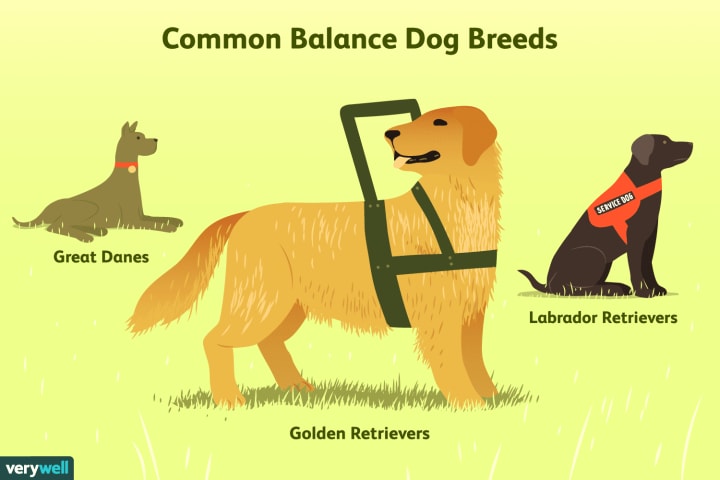
However, certain dog breeds are the most popular.
Golden retrievers
Labrador retrievers
German shepherds
Labradoodles
Golden doodles
Poodles
Collies
This is just a short list of dog breeds that are the most popular as service dogs. Again, any dog breed can be a service dog with the right temperament and training (Even mixed breeds)
as long as the dog is interested and seems to be able to be trained, it can be a service dog.
Some people have small service dogs because they don’t require a big dog, they don't need mobility, or they don’t need anything a big dog is often used for as a service dog.
Small dogs also take place quickly. Some people also need a smaller dog to help them with things that big dogs don’t or are too big to care for and work with. So, just because you see a small dog in public with a service dog vest, don’t immediately assume it’s a fake.
If it focuses on its handler, performs tasks, and does not misbehave, it’s not a fake.
The Americans with Disabilities Act protects handlers from prosecution for using their service dogs in public.
These are the only rules that make a dog a service dog (with or without a vest.)
The dog must be well-behaved and under control in some way.
The dog must know at least one task to be considered a service dog. But all service dogs know more than just one.
Service dogs can be trained to do many things to help their handlers. Here is a list of some things they can learn to do.
Open/close doors
Guide/lead to a safe place or person.
Pick up objects
Give objects to the handler
Stand behind the handler and alert if someone is too close.
Check the house or hotel room for possible intruders
Retrieve something from a fridge
Calm down their handler from a panic attack or meltdown
Wake a person from a nightmare
Turn on/off lights
Alert to a medical episode. Seizure, heart rate spike, etc.
Respond to a medical episode by waking the handler up after passing out, having a seizure, etc.
Brace to help a handler stand
Forward momentum pull to help the handler walk and lead them.
Alert strangers or family members to assist during a medical emergency.
Throw away trash
Alert to noises (if the handler is deaf)
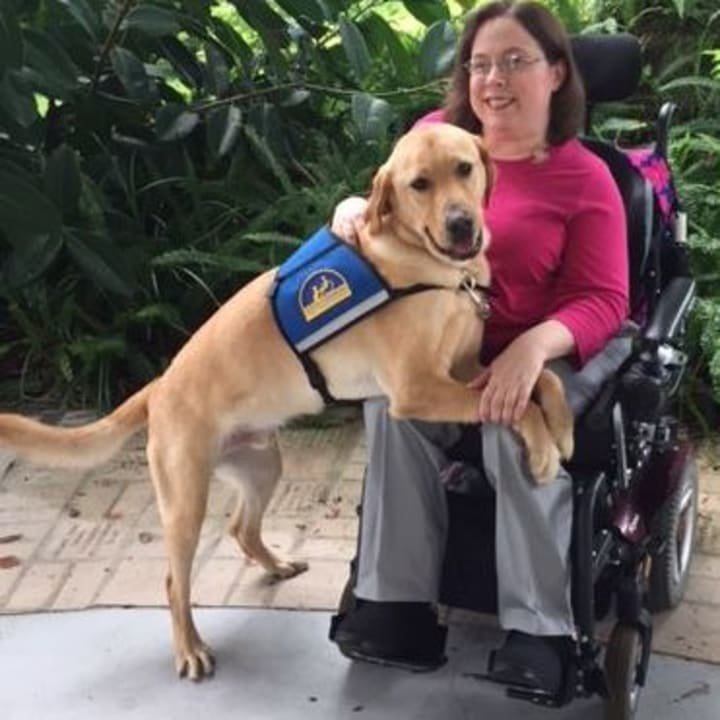
Pulling a wheelchair
Call 911 in an emergency using a particular phone.
Pay for items in a store
Alert to an allergen in foods
Open/close curtains
Hold and carry specific items
Carry items in vest pockets
This list is just a few things a service dog can learn and do for the person they serve. They help their handler do a lot and give them something they wouldn’t have without a Service dog.
The independence gives them much freedom they didn’t have before they had a service dog.
People with service dogs have been able to go to school, work, and live independently thanks to the dog's help and companionship.
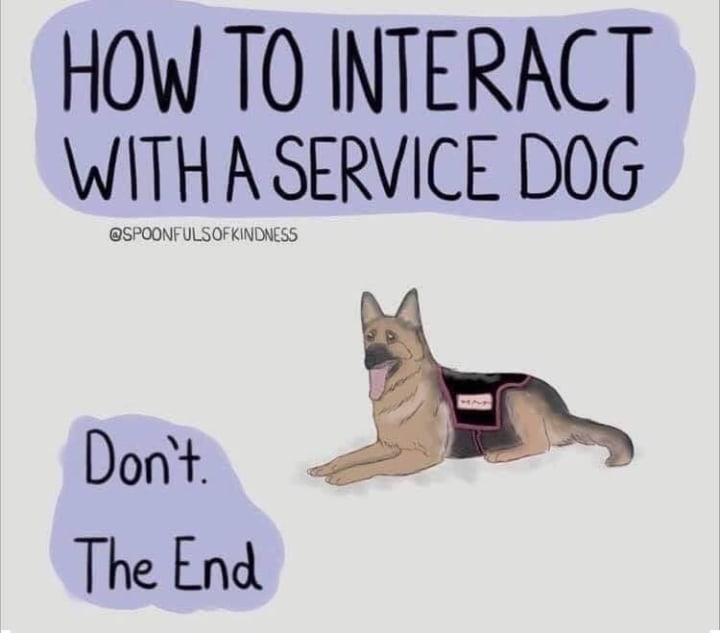
So remember, if you see a service dog in public, don’t interact with it. Talk to the handler, but don’t ask what’s wrong with them and why they need the dog. It’s insulting and inappropriate to the handler.
A handler is a person first and a service dog handler second, so please treat them like ordinary people.
They want to live like me and you. They need the dog to help them do that.
So please don’t distract a service dog in public; leave them alone.
If you see a fake service dog, contact the staff of the public place you are in immediately and help get them removed. They are a public nuisance, especially to actual service dog teams.
Service dogs are essential to help their handler live the way they want.
They mean the world to their handler, and the dogs love having a job. It’s fun for them, and it gives them something to do.
Service dogs are great tools for their handlers to help them deal with disabilities. It is not a decision to take lightly and is not something to come up with a diagnosis. To mitigate disability, medicines, treatments, etc., should be attempted first, as Service dogs are often a last resort, right after a d, depending on the severity of disabilities.
They also help people with disabilities who aren’t visible, so someone with a service dog might need it for something you can’t see.
Not all disabilities are visible, so don’t assume that just because someone looks healthy, they don’t need a service dog.
Service dogs are Awesome, and if you have a chance to witness one in action or meet a service dog and their handler, talk to the handler to learn more about service dogs and the essential things they can do.
To learn more, go to ADA.gov and search for service animals.
It is truly a privilege to witness a dog or mini horse helping a disabled person achieve the independence they want.
It is extraordinary to see if you want to help a service dog organization.
I suggest donating, raising puppies, or attending organization events to help them out. The organization will be grateful for your help, as will the Service dog handlers you’ll help support.
About the Creator
Paige Krause
Hi, I'm Paige, and I love to read and write. I love music and dogs. I will mostly write about my favorite things. Autistic and service dog handler. Enjoy my writings
I also post my articles on Medium
Keep reading
More stories from Paige Krause and writers in Petlife and other communities.
for the love of Dogs
It all started when I was tiny. My love of dogs has been with me for as long as I can remember, as I’ve grown up with dogs almost my whole life. When I was little, I had two terrier mixes, Millie and Stella. They were my first love, and ever since then. Dogs were my favorite thing. In elementary school, dogs were my whole life and took over almost every aspect of my young life. It became so intense that many of my teachers, aides, and other helpers wanted me to tone down my love for dogs. I took this to mean that I should stop loving dogs entirely because I couldn’t understand why everyone told me to talk about things other than dogs.
By Paige Krause 6 years ago in Petlife
Keeping your pets safe (and calm) this holiday season
The holiday season may be magical for some humans, but for pets it only means confusion, changed routines, overstimulation, extra noise, guests or pet sitters come and go, and sometimes the festive season means danger for pets.
By Susan Fourtané 19 days ago in Petlife
The Chair That Never Came
The ballroom shimmered beneath a thousand lights, every breath in the room carrying a quiet note of expectation. It was the annual Global Philanthropy Summit — the kind of gathering where names were whispered, not introduced, and where power did not need to announce itself. Guests filled the hall in practiced elegance: CEOs, founders, donors whose signatures could build hospitals or topple companies. Their names were printed on cards in the front rows — curated, counted, and arranged weeks ahead of time. And then, she arrived. Megan, the Duchess of Sussex, stepped into the room with her aide at her side — unlisted, unexpected, yet walking with the confidence of someone long accustomed to the world bending for her. A ripple went through the staff. She wasn’t on the schedule. Her name wasn’t on the seating chart. Yet here she was — bright, smiling, certain that a seat had been prepared simply because she had entered. Her assistant gestured toward the front row — an empty chair, momentarily vacated by a tech billionaire who had stepped away. They approached. A tap on her shoulder stopped her. “I’m sorry, ma’am,” an event coordinator said, voice low but firm. “This row is reserved. We have a place for you on the side.” It was polite. It was professional. But it was also final. Witnesses described a frozen moment — the duchess pausing, her fixed smile barely shifting. She waited. Surely someone would come. Someone always did. Someone to pull forward a chair, clear a space, make room for The Duchess. But the room moved without her. Guests settled. Conversations resumed. Cameras flashed for other faces. No eyes searched for her. No staff scrambled. For a long, awkward stretch of minutes, she stood — a royal silhouette in a space where titles were currency no one traded in. Only after the keynote began did someone quietly guide her to a chair far off to the side — not ignored, but unmistakably ordinary. It was a message sharper than any royal protocol. Here, pedigree meant nothing. Here, you had to earn your place. As she sat, her posture perfect, she seemed smaller somehow — not in height, but in certainty. She had left behind a palace she felt confined her. Now she was discovering that the world outside was not a red carpet rolled out on demand, but a maze of circles that chose who belonged. No one glared. No one mocked. Worse — no one cared. And as the lights dimmed and the speaker continued, the duchess realized that a story she controlled for years — of escape, of reinvention, of ranking above the room — had slipped unexpectedly from her hands. Because in this world, there were no thrones to claim. Only seats to earn. And on this night, hers had not yet been built. Yet the echoes of that evening stretched far beyond the ballroom. In the days that followed, the incident circulated quietly through private WhatsApp groups, PR offices, and agency boardrooms long before it drifted onto newsfeeds. It became not merely a moment, but a cautionary parable whispered among people who move unseen behind red carpets and televised galas. The philanthropic summit, for all its glamour, was in essence a workplace — one built on long hours, unglamorous logistics, and delicate balances of influence. Those who earned their seats — hedge fund architects, founders who spent decades scaling companies from kitchen tables, activists who slept more nights in tents than in five-star hotels — had arrived with portfolios of proof. Their chairs symbolized legacy, labor, and investment. That was the silent contradiction that defined the tension of the evening: a clash between earned capital and perceived entitlement. Long after the lights dimmed, several attendees recalled the most striking image of the night was not Meghan’s presence, but the posture she held. Standing still while those around her settled into ease created a tableau impossible to ignore. The body language told its own story — a woman accustomed to doors opening, suddenly meeting a door that did not move. But the narrative is not static. Those closest to Hollywood know perception shifts as quickly as ticket sales or social algorithms. For every room closing, another may open. A new initiative, a breakout documentary, a bold charity partnership — any could rewrite the arc. Indeed, some observers saw the moment less as punishment and more as a turning point. A “reset” disguised as discomfort. Within crisis, opportunity hides — and public figures have reinvented themselves from weaker positions. The industry rewards resilience almost as much as originality. Whether Meghan interprets the evening as humiliation or instruction remains unseen. What will matter most is the response — not in speeches or statements, but in action. Consistency. Delivery. Showing up in rooms after the spotlight fades, not only before it rises. The silent lesson of the missing chair was not only you cannot assume your place — it was you can build one. Chairs — literal or symbolic — are manufactured, funded, and earned. They are pulled up by those willing not just to sit, but to contribute. The question now hanging over future rooms is simple and powerful: Will Meghan build her chair — or wait for another one to be offered?
By Behind the Curtainabout 24 hours ago in Petlife



Comments
There are no comments for this story
Be the first to respond and start the conversation.