
Saint Bernard Dog: The Gentle Giant of the Swiss Alps
Discover the fascinating history, traits, and care tips for the beloved Saint Bernard dog.
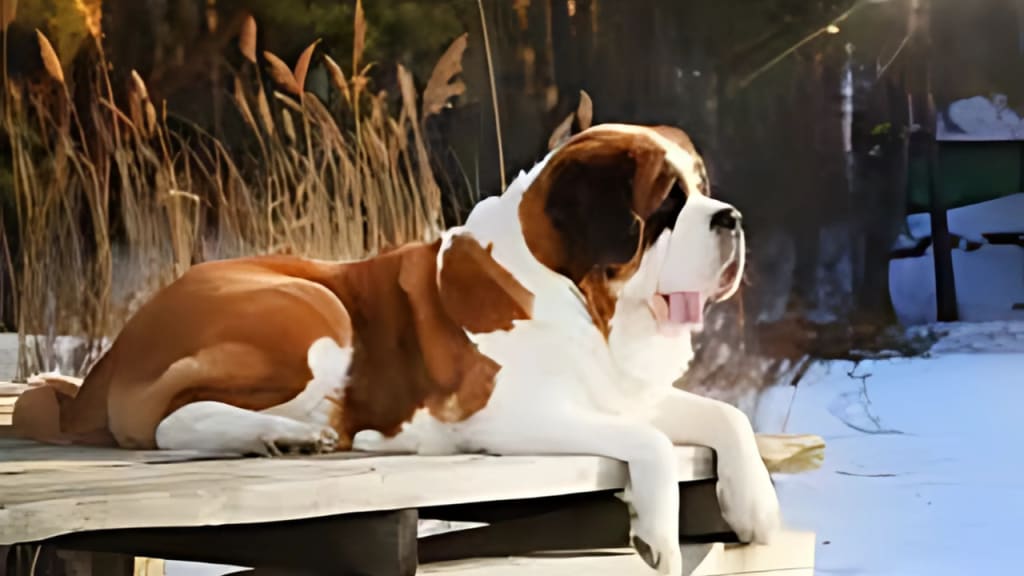
Discover the history, characteristics, and care tips for the beloved Saint Bernard dog, a breed known for its strength, loyalty, and gentle nature.
Origin and History
From Alpine Rescue to Family Companion
The Saint Bernard dog is a legendary breed with roots tracing back over a thousand years to the Western Alps of Switzerland and Italy. Named after the hospice founded by Archdeacon Bernard de Menthon, these dogs were originally bred by monks to assist in rescue missions. Their primary role was to locate and save travelers lost in the treacherous mountain snowstorms.
Saint Bernards quickly became famous for their incredible sense of smell, endurance, and ability to navigate harsh alpine conditions. Their heroic rescue work helped save countless lives, earning them a reputation as reliable and courageous companions. Over time, the breed transitioned from working dogs to beloved family pets, admired for their calm and affectionate temperament.

Appearance and Physical Traits
A Majestic and Powerful Build
Saint Bernards are among the largest dog breeds, often described as gentle giants. Adult males typically weigh between 140 to 180 pounds and stand 28 to 30 inches tall at the shoulder, while females are slightly smaller but still impressively large. Their massive frame is balanced by a muscular build, broad chest, and strong legs, enabling them to endure tough terrains.
The breed’s coat comes in two varieties: short and smooth or long and rough. Both types feature a dense double coat that protects them from cold weather. Their fur is usually white with patches of reddish-brown, mahogany, or brindle, giving them a distinctive and noble appearance.
Their facial features are equally striking, with a broad head, expressive dark eyes, droopy ears, and a characteristic wrinkled brow that adds to their gentle expression.
Temperament and Personality

Gentle, Loyal, and Family-Friendly
Despite their enormous size, Saint Bernards are known for their calm and friendly nature. They are patient and gentle, especially with children, making them excellent family dogs. Their affectionate demeanor means they thrive on human companionship and enjoy being part of household activities.
Saint Bernards are intelligent and eager to please, which generally makes training straightforward. However, due to their size and strength, early socialization and consistent training are essential to ensure they behave well around people and other animals.
While they are protective, Saint Bernards are not aggressive and rarely bark excessively. Their deep bark serves more as a warning than a nuisance, helping to deter intruders without causing disturbance.

Care and Maintenance
Keeping Your Saint Bernard Healthy and Happy
Owning a Saint Bernard requires commitment to their specific care needs. Their large size means they need a balanced diet formulated for giant breeds to maintain healthy joints and avoid obesity. Portion control is important because, despite their size, Saint Bernards tend to have a moderate activity level.
Grooming depends on the coat type. Short-haired Saint Bernards require weekly brushing, while long-haired varieties need more frequent grooming to prevent matting and manage shedding. Regular checks of their ears, eyes, and nails are also necessary to keep them healthy.
Exercise needs are moderate. Daily walks and some playtime are sufficient to keep them fit without overexertion. Saint Bernards are prone to heat exhaustion, so they do best in cooler climates and should be monitored carefully during hot weather.
Why Choose a Saint Bernard?

Is This Gentle Giant Right for You?
If you’re searching for a loyal, affectionate, and calm dog breed that can be a protective yet gentle family member, the Saint Bernard is an excellent choice. They are particularly well-suited for families with children and those living in cooler environments.
However, their large size and strength mean they require space and confident handling. They may not be ideal for small apartments or first-time dog owners without experience managing big breeds. Additionally, potential owners should be prepared for grooming needs and the possibility of health issues common in giant breeds, such as hip dysplasia.
About the Creator
Keep reading
More stories from Kandage Vimukthi Reshan Dulakshana and writers in Petlife and other communities.
The Beauty Battle: Rhode vs. e.l.f. – Hailey Bieber, Net Worth & the Cosmetic Industry
Welcome to the world where glam meets genius, and skin is the ultimate currency. The beauty industry is exploding, and two brands are turning heads: Rhode, founded by Hailey Bieber, and e.l.f. Cosmetics, the budget-friendly empire. Whether you're obsessed with Hailey’s glazed-donut skin or loyal to e.l.f.’s viral dupes, this showdown has it all – celebrity power, market moves, and millions in net worth.
By Kandage Vimukthi Reshan Dulakshana8 months ago in Art
A Dart at Dusk
Seconds ago, the sullen sun set on the two of us… my exuberant furry companion and me. A fresh breeze embraces us, delivering welcome relief from the day’s oppressive heat. His typical stumbling and staggering along — apace with a sloth — has turned into trip-trapping, high-stepping, almost skipping along.
By Angie the Archivist 📚🪶7 days ago in Petlife
A Shocking Discovery: This Is How Puppies Choose Their Favorite Human
The Secret Bond That Decides Who a Puppy Loves Most—and Why It Might Not Be Who You Think --- It started with a moment so small, so ordinary, that no one in the room noticed it—except the puppy.
By Ahmed aldeabella4 days ago in Petlife


Comments (1)
I really loved your story. I just published mine — would love your opinion.