
Razor Equine Wormer: Complete Guide for Horse Owners
Read this blog to know - Razor Equine Wormer: Complete Guide for Horse Owners


If you’re a horse owner, you know that keeping your horse healthy goes far beyond feeding and grooming. One of the most crucial aspects of equine care is deworming. Parasites can silently drain your horse’s health, leading to weight loss, poor coat condition, and even life-threatening complications. That’s where Razor Equine Wormer comes in — a trusted solution designed to tackle a wide range of internal parasites.
What is Razor Equine Wormer?
Razor Equine Wormer is a broad-spectrum deworming paste that combines ivermectin and praziquantel. This powerful duo works together to eliminate internal parasites that commonly affect horses. It’s easy to administer and highly effective, making it a go-to choice for many equestrians.
Why Deworming Horses Matters
Horses are natural grazers, which unfortunately makes them prone to picking up worms from contaminated pastures. Parasites such as strongyles, tapeworms, and bots can damage the digestive system, weaken immunity, and cause colic. Without regular deworming, your horse’s health and performance can suffer dramatically.
Active Ingredients in Razor Equine Wormer
Ivermectin: Known for its effectiveness against strongyles, pinworms, bots, and roundworms.
Praziquantel: Specifically targets tapeworms, which are often resistant to other dewormers.
Together, these ingredients offer comprehensive protection against most equine parasites.
Types of Parasites Controlled
Razor Equine Wormer provides broad coverage, controlling:
Large and small strongyles – major causes of colic
Ascarids (roundworms) – common in foals
Pinworms – lead to tail rubbing and irritation
Tapeworms – can block the intestines
Bots – larvae that attach inside the stomach
Benefits of Using Razor Equine Wormer
Broad-spectrum parasite control
Simple oral paste administration
Safe for most horses, including broodmares and foals over a certain age
Reliable and affordable
How to Use Razor Equine Wormer
Administer the paste directly into your horse’s mouth using the provided syringe. Dosage is based on body weight — always check the weight markings to avoid under- or overdosing. Ensure the horse has no feed in its mouth before administration.
Deworming Schedule for Horses
Foals: Begin deworming at 2–3 months of age, then repeat every 2–3 months.
Adult horses: Typically dewormed 3–4 times per year, depending on fecal egg counts.
Broodmares: Deworm prior to foaling to reduce parasite transfer.
Signs Your Horse May Have Worms
Watch out for symptoms like:
Unexplained weight loss
Dull, rough coat
Recurrent colic episodes
Diarrhea
Tail rubbing
Lethargy
How Razor Equine Wormer Compares to Other Wormers
Compared to single-ingredient wormers, Razor Equine Wormer offers dual-action protection, covering tapeworms as well as other common parasites. It’s also user-friendly, with an easy-to-measure syringe that ensures accurate dosing.
Possible Side Effects
Most horses tolerate it well, but some may experience mild drooling or temporary loss of appetite. Rarely, allergic reactions can occur. Always follow veterinary guidance for safe use.
Storage and Handling Instructions
Keep the paste in a cool, dry place away from direct sunlight. Ensure it is stored out of reach of children and animals. Check the expiration date before use.
Veterinarian Recommendations
Many vets recommend using Razor Equine Wormer as part of a strategic deworming program that includes pasture management and fecal egg counts. Rotating wormers can help prevent resistance.
Tips for Effective Deworming
Regularly pick up manure from paddocks
Rotate grazing areas
Perform fecal egg counts twice a year
Deworm based on actual need, not just habit
Conclusion
Razor Equine Wormer is a reliable, easy-to-use solution for protecting your horse against a wide range of parasites. With its dual-active ingredients, it ensures broad-spectrum control and supports long-term health. By combining strategic deworming with proper pasture management, you can keep your horse thriving year after year.
FAQs
1. How often should I use Razor Equine Wormer?
Most adult horses need deworming every 8–12 weeks, but always follow veterinary advice.
2. Can pregnant mares use it safely?
Yes, Razor Equine Wormer is generally safe for broodmares, but consult your vet before use.
3. Is it safe for foals?
It can be used in foals over a certain age and weight. Always check label instructions.
4. What makes it different from other wormers?
Its combination of ivermectin and praziquantel covers a wider range of parasites, including tapeworms.
5. Can I use Razor Equine Wormer year-round?
Yes, but use it as part of a strategic deworming plan guided by fecal egg counts and vet recommendations.
About the Creator
Thomas Muller
VetSupply is a leading online pet store in Australia with a comprehensive range of products that cater to all your pet care needs.
Keep reading
More stories from Thomas Muller and writers in Petlife and other communities.
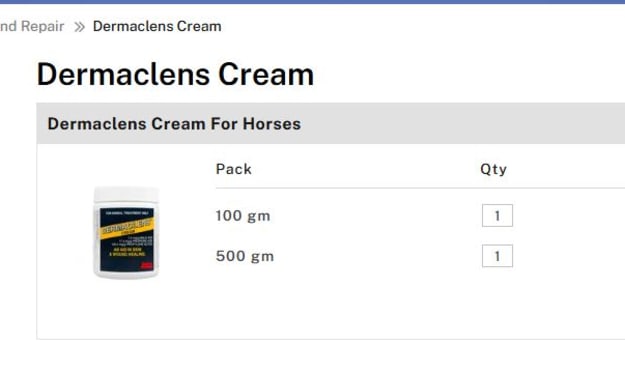
How to Use Dermaclens Cream: A Complete Guide for Pet Owners
Skin problems in pets are more common than you think. From scratches and cuts to burns and infections, our furry friends often get into situations that require extra care. That’s where Dermaclens Cream comes in—a trusted veterinary cream designed to treat a wide range of skin conditions.
By Thomas Muller6 months ago in Petlife
MY CREW
our shared anxiety. Piggy, with her delicate frame and surprisingly bold spirit, navigated the established feline hierarchy with a surprising lack of fuss. Oliver and Miles, who had finally achieved a semblance of interspecies detente, seemed to regard her arrival with a weary acceptance, as if to say, "Another one? Fine." But Piggy, with her intelligent eyes and a persistent purr that could rival a motorboat, began to chip away at their reserves. She’d curl up near Oliver, not touching, just a soft presence, and he, in turn, would soften his gaze, his tail giving a less critical flick. Miles, ever the hesitant one, found himself drawn to her playful pounces, her innocent batting at dangling toys, a more engaging dynamic than his previous cautious interactions.
By Vera Myles4 days ago in Petlife


Comments
There are no comments for this story
Be the first to respond and start the conversation.