
The Key to Safe and Comfortable Pet Travel
Dog Car Seat
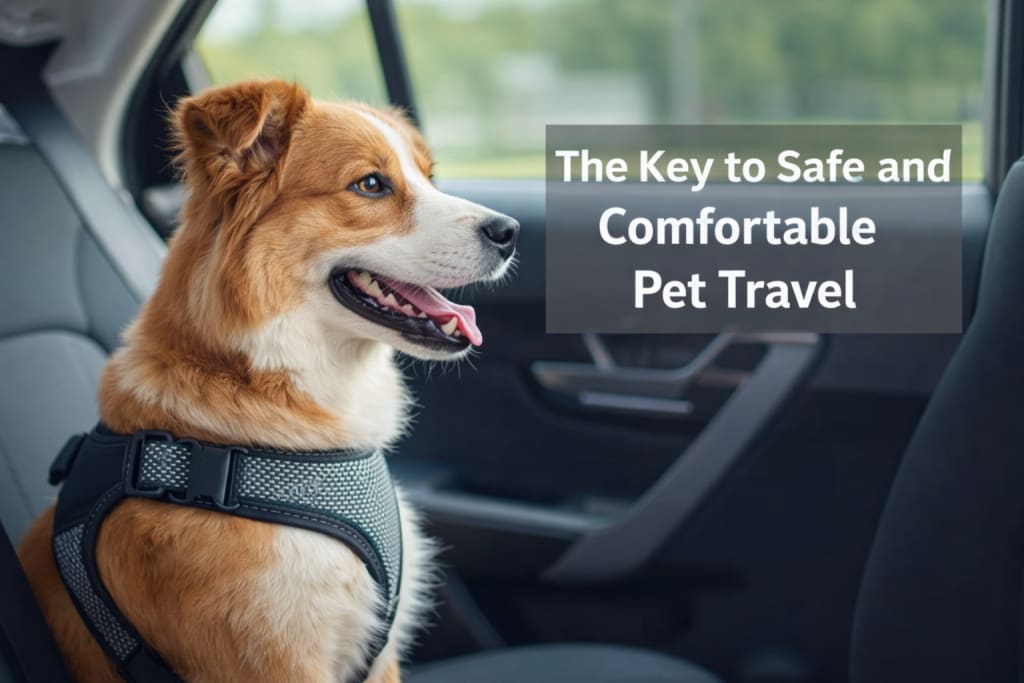
You want your dog safe and calm when you drive, and a dog car seat can do both. A good car seat or harness keeps your dog secure, reduces driver distraction, and cuts the risk of injury in sudden stops or crashes. Pick a tested option that fits your dog’s size and your vehicle for the best protection.
You’ll also want a seat that’s easy to fit, simple to clean, and comfy for your pet so they stay settled on longer trips. Keep reading to learn how to choose the right type, how to fit it properly, and what safety marks and tests to look for before you buy.
Key Takeaways
Choose a car seat or harness that matches your dog’s size and your vehicle.
Look for products with independent crash testing or clear safety guidance.
Fit the seat correctly and keep it clean to ensure comfort and safety.
Essential Guide to Dog Car Seats
Choosing the right dog car seat protects your pet and reduces driver distraction. This guide explains why a seat matters, the main seat types, how seats compare with harnesses, and key safety checks to do before every trip.
Why Every Dog Needs a Car Seat
A dog car seat keeps your pet secure during sudden stops and prevents them becoming a distraction. Unrestrained dogs can move into the driver area or fall into the footwell, which raises crash risk for you and injury risk for them.
Seats reduce forces on the dog in collisions when they are crash-tested and correctly installed. Look for seats certified by independent groups like the Centre for Pet Safety. Even small dogs can exert high forces in a crash, so a booster or crash-tested carrier matters.
Also consider comfort and behaviour. Booster seats raise small dogs so they can see out, lowering anxiety and the urge to climb. Removable, washable covers help with cleanliness after trips.
Types of Dog Car Seats
There are several common kinds: booster seats, crash-tested carriers, hammock-style guards and padded bench extenders. Each suits different breeds and vehicles.
Booster seats: elevate small dogs for window views. They usually attach with seat belts and have an internal tether that clips to a harness.
Crash-tested carriers: rigid shells or soft-sided crates that pass formal tests. They offer the best protection for toy breeds and puppies when secured with a seat belt.
Hammocks and bench extenders: cover the rear seat to protect upholstery and stop dogs falling into the footwell. They suit larger dogs but offer less restraint than a dedicated seat.
Padded beds and travel crates: good for long journeys and larger dogs. Use with tether points or seat belts designed for the crate.
Match the type to your dog’s size, weight and travel habits. Check load limits, how the seat attaches to your car, and whether it includes a tether to clip to your dog’s harness.
Dog Car Seat vs Dog Harness
A dog car seat and a dog harness serve different roles and can work together. A harness restrains the dog to a seat belt and helps spread force over the chest in a crash.
Harness alone: good for medium-to-large dogs if the harness is crash-tested and used with a seat-belt attachment. Not all harnesses meet crash standards, so verify certification.
Car seat alone: provides containment and comfort, especially for small dogs or puppies. Some seats include an internal harness or tether, but that must attach to a separate crash-tested harness rather than a collar.
Best practice: use a crash-tested harness clipped into the car’s seat belt plus a seat or carrier that secures to the vehicle. This layered approach improves security and reduces distraction.
Safety and Security Considerations
Always attach the dog seat according to the manufacturer’s instructions and use the vehicle’s seat belt routing. A loose installation can eject a seat in a crash.
Use a harness that is rated for travel and clip the seat’s internal tether to the harness—not the dog’s collar. Replace any seat or harness after a crash, even if damage seems minor.
Check for features that improve security: non-slip bases, seat-belt channels, reinforced stitching and certified crash-test labels. Keep the dog restrained while the car is moving; do not let them roam between seats or sit on the driver’s lap.
Regularly inspect straps, buckles and fabric for wear. Fit the seat so your dog can sit or lie comfortably but cannot jump out. If your dog shows motion sickness or anxiety, try a different seat height, add familiar bedding and take short practice trips.
Choosing and Using the Right Dog Car Seat
Pick a seat that matches your dog’s size, your vehicle, and how often you travel. Think safety features, installation method, and how easy the seat is to clean and use.
Factors to Consider When Buying
Measure your dog’s weight and length before shopping. Small dogs often fit best in a dog booster car seat or elevated dog car seat that raises them to window height. Check the manufacturer weight limit and internal dimensions. Look for an anti-slip base, adjustable headrest straps, and a seat belt tether or clip-on leash that attaches to your dog’s harness. If your car supports ISOFIX, consider an ISOFIX dog car seat for extra stability.
Think about materials: choose a washable liner or machine-washable liner and waterproof fabric if your dog sheds or gets wet. For frequent long trips, a luxury dog car seat with extra padding or a dog car bed-style insert can improve comfort. Note ease of use: quick-release seat belt clips and simple straps make daily use faster.
Popular Models and Their Features
Many models target small dogs. The Petsfit dog car seat and Mixjoy dog car seat often include padded sides, washable liners, and secure tethers. The Kong booster seat focuses on stability and heavy padding for calmer rides. Sleepypod Mobile Pet Bed doubles as a crash-tested carrier and is popular when you want a single product for car and home.
Look for these features when comparing: elevated booster platform, clip-on leash or adjustable safety leash, waterproof covers, and machine-washable liners. If you want extra security, search for seats with ISOFIX or headrest straps that anchor to the seat’s top. For drivers who worry about seat damage, a dog car seat cover or full dog car seat protector/hammock helps keep upholstery clean.
Installation, Cleaning, and Maintenance
Install each seat according to the manual and test it before you travel. Use the vehicle seat belt or ISOFIX anchors where recommended. Fasten any headrest straps tightly and attach the seat belt tether to your dog’s harness, not the collar. Check seat belt clips and buckles for wear every few months.
Clean frequently to remove fur and odour. Remove the machine-washable liner and run on a gentle cycle. For non-washable parts, vacuum and wipe with mild detergent and water. Treat waterproof dog car seat surfaces with a damp cloth. Inspect the anti-slip base and straps after cleaning; replace straps or clips that show fraying.
Store the seat dry and away from direct sun to preserve materials. If the seat includes a removable dog car bed insert, air it out between trips to reduce damp smells.
Frequently Asked Questions
You will find clear answers on keeping your dog secure, choosing the right seat for size, legal rules, installation steps, motion sickness and anxiety help, and the key features to check before buying.
How can I ensure my dog's safety while travelling in a car?
Use a crash-tested harness or a secured dog car seat that attaches to the vehicle seatbelt or ISOFIX points. Always fasten the harness to the car anchor, not the dog’s collar, to avoid neck injury in a sudden stop.
Keep your dog restrained in the back seat to reduce driver distraction and lower injury risk. Never let a dog ride unrestrained in the boot of an estate/MPV without a proper barrier and anchor points.
Plan regular stops every 2–3 hours on long journeys so your dog can stretch, drink and relieve itself. Monitor temperature and ventilation; never leave your dog alone in a parked car.
What are the best dog car seat options for small to medium breeds?
Boost-style car seats lift small dogs so they can see out, which helps reduce anxiety. Choose models with firm sides, padded bases and an internal tether to attach to your dog’s harness.
Soft-sided carriers with seatbelt loops work well for small dogs if they have solid internal structure and secure attachments. For medium breeds, a reinforced seat or a dedicated pet travel crate that can be secured with the seatbelt offers better protection.
Combine a booster or seat with a well-fitting harness and tether for the highest safety level. Check the manufacturer’s weight and size limits before buying.
Are there any legal requirements for transporting dogs in vehicles?
Many regions require that drivers keep control of their vehicle, which includes not being distracted by an unrestrained dog. Some countries or local authorities specifically require pets to be secured; check your local road laws before you travel.
If you cause an accident and your dog was unrestrained, you may face fines or insurance issues. Commercial or professional transport often has stricter rules and may mandate specific restraints or crates.
How do I install a dog car seat correctly?
Read the manufacturer’s instructions fully before you start. Fit the car seat to the vehicle seat using the seatbelt, ISOFIX anchor or other approved anchor points, and pull straps tight so the seat does not shift.
Attach your dog’s harness to the internal tether, not to the collar. Perform a firm shake test—push and pull the installed seat to confirm it stays in place under force.
If you use a crate, secure it with the seatbelt or anchor points and place it on a flat part of the rear seat or boot. Replace any worn straps or hardware and re-check installation before each trip.
Can a dog car seat help with car sickness or anxiety issues?
Yes. A stable seat that limits movement and lets your dog see out of the window can reduce anxiety for many dogs. Elevation from a booster often helps dogs that feel less anxious when they can view the outside.
Car sickness may improve if you reduce motion by keeping the dog stable and facing forward. Take short practice trips, avoid feeding just before travel, and talk to your vet about medication or behavioural training if sickness persists.
What features should I look for when choosing a car seat for my pet?
Check weight and size limits to match your dog’s measurements. Look for strong attachment points, crash testing or safety certification, and an internal tether to clip to a harness.
Choose washable, water-resistant covers and firm padding for comfort and hygiene. Prefer seats with non-slip bases, breathable fabrics, and clear installation guides.
About the Creator
jazzy
Welcome to dogcarseatco.co.uk, your go-to destination for high-quality dog car seats. We understand how important your pet's safety and comfort are, especially during car rides.
Sindh Ibex Documentary – Endemic Wild Goat of Pakistan Facts & Habitat
I am currently in the province of Sindh, Pakistan. The district is Thatta, and here in Thatta we have a friend, Mr. Shahid Brohi. He has established a very beautiful wildlife breeding farm here. He has fulfilled all legal requirements, and the farm is registered with the Sindh Wildlife Department. According to international standards, he has built proper enclosures and cages, and he keeps various species of mammals and birds here.
By Pets and animals 5 days ago in Petlife
Can an Emotional Support Dog Go to Work With You
Many people struggle with anxiety, stress, and sadness at work. Some have found that having an emotional support dog helps them feel better. But can you actually bring your dog to your job? The answer is not simple. It depends on several things, including the laws, your company rules, and what your dog is trained to do.
By Robert Barrett8 days ago in Petlife



Comments
There are no comments for this story
Be the first to respond and start the conversation.