


Black mamba
The Black Mamba (Dendroaspis polylepis) is a venomous snake found in sub-Saharan Africa. It is considered to be one of the most dangerous snakes in the world due to its fast-acting and potent venom, as well as its aggressive behavior.
Black mambas are known for their speed and can move at up to 12.5 miles per hour (20 km/h), which makes them difficult to escape. They can also raise up to one-third of their body length off the ground, allowing them to strike at a distance.
The venom of the black mamba is a potent neurotoxin that can cause paralysis and death within just a few hours. There is antivenom available to treat the bite but it's crucial to administer it as soon as possible.
Black mambas are typically found in savannas, woodlands, and rocky outcroppings. They are diurnal, which means they are active during the day. They are also known to be very fast and agile, able to move quickly through trees, burrows, and other small spaces.
Due to its venomous nature, it's not recommended to keep black mamba as pet, and only professional herpetologist should handle them. Their populations are also under threat from human activity such as habitat destruction and hunting, so it's important to protect them and their habitats.
Inland taipan
The Inland Taipan (Oxyuranus microlepidotus), also known as the Fierce Snake or Faint Snake, is a venomous snake found in the arid regions of central Australia. It is considered to be the most venomous snake in the world due to the potency of its venom.
The venom of the Inland Taipan is a powerful neurotoxin, which affects the nervous system and can cause paralysis and death in a very short amount of time. However, its venom is also fast-acting, which means that if antivenom is administered quickly, the chances of survival are high.
The Inland Taipan is a small snake, typically reaching around 1.5 meters (5 feet) in length. It is light brown in color and has a distinctive dark head. It is a shy and reclusive snake that is not known to be aggressive towards humans.
The Inland Taipan is found in a very limited range, and it's not commonly encountered by humans. The snake is also known for its elusive nature, and it's considered as very difficult to spot in the wild.
The Inland Taipan is a protected species in Australia and it is illegal to harm or capture them. They are also not recommended to be kept as pets and it is best to observe them in their natural habitat from a safe distance.
Blue coral snake
The Blue Coral Snake (Calliophis bivirgatus) is a venomous snake found in Southeast Asia, specifically in countries like Thailand, Malaysia, and Indonesia. It is known for its striking blue and black coloration and its venom which can cause paralysis and death.
The Blue Coral Snake's venom is a neurotoxin that can cause paralysis of the diaphragm and respiratory failure, which can lead to death. The venom is also fast-acting, so prompt treatment with antivenom is crucial for survival.
The Blue Coral Snake is a relatively small snake, typically growing to around 1 meter (3 feet) in length. It has a distinctive blue and black coloration and can be easily recognized by its bright blue head and black body.
The Blue Coral Snake is a nocturnal species, it's active during the night and it's usually found in forests, near rivers and swamps. They are also known for their aggressive behavior when they feel threatened.
It's illegal to keep Blue Coral Snake as a pet without proper licenses, and it's not recommended to handle them without proper training. The snake's population is also under threat from habitat destruction, hunting and illegal pet trade, so it's important to protect them and their habitats.
Belcher's sea snake
The Belcher's Sea Snake (Hydrophis belcheri), also known as the Faint-banded Sea Snake, is a highly venomous marine snake found in the waters of Southeast Asia and Northern Australia. It is considered to be one of the most venomous snakes in the world and is responsible for a large number of snakebite deaths in the region.
The venom of the Belcher's Sea Snake is a potent neurotoxin that can cause paralysis and death within a few hours. There is an antivenom available to treat the bite, but it must be administered quickly for it to be effective.
The Belcher's Sea Snake is a small snake, typically reaching around 0.5 meters (1.5 feet) in length. It has a distinctive yellow band on the tail and a black or dark brown body. It is a pelagic species, which means that it lives in the open ocean and is not commonly found near shore.
The Belcher's Sea Snake is a timid species and it's not known to be aggressive towards humans. However, it's venomous nature makes it dangerous and it's best to avoid it and not to try to catch or handle it.
The Belcher's Sea Snake is not considered as a protected species in most of its range, but it's illegal to harvest or trade them without proper licenses. As with all marine animals, it's important to respect their habitat and not to interfere with their natural behavior.
King cobra
The King Cobra (Ophiophagus hannah) is a venomous snake found in Southeast Asia, specifically in countries like India, China, and parts of Indonesia. It is known for being the largest venomous snake in the world and for its distinctive hood and aggressive behavior.
The venom of the King Cobra is a potent neurotoxin that can cause paralysis and death within a few hours. There is antivenom available to treat the bite, but it must be administered quickly for it to be effective.
The King Cobra is a large snake, typically reaching around 4 meters (13 feet) in length, although some individuals can grow up to 5.5 meters (18 feet). It has a distinctive hood and can be easily recognized by its yellow, green, or brown coloration with black or dark brown bands.
The King Cobra is a diurnal species, which means it is active during the day, and it's known for its aggressive behavior when threatened. They are also known for their intelligence, and they can be taught simple tasks.
The King Cobra is not considered a protected species throughout its range, but it's illegal to harvest or trade them without proper licenses. It's also not recommended to keep them as pets, as they are dangerous and require specialized care. It's important to protect them and their habitats, as their population is under threat from habitat destruction, hunting, and illegal trade.
Bothrops atrox
The Bothrops atrox, commonly known as the Fer-de-Lance or the Lancehead, is a venomous pit viper species found in the forests and savannahs of Central and South America. It is considered one of the most dangerous snakes in the Americas due to its venom and aggressive behavior.
The venom of the Bothrops atrox is a potent hemotoxin, which can cause severe bleeding, tissue damage, and organ failure. It is also known to cause extreme pain, and it's considered one of the most painful snake bites. There is antivenom available to treat the bite, but it must be administered quickly for it to be effective.
The Bothrops atrox is a medium-sized snake, typically reaching around 1.5 meters (5 feet) in length. It has a distinctive brown or gray coloration with darker crossbands or spots. It's known for its aggressive behavior when threatened and it's known to strike repeatedly.
The Bothrops atrox is found in a wide range of habitats including rainforests, savannas, and even urban areas. They are active during the day and they are known to be very active hunters.
The Bothrops atrox is not considered a protected species, but it's illegal to harvest or trade them without proper licenses. It's also not recommended to keep them as pets, as they are dangerous and require specialized care. It's important to protect them and their habitats, as their population is under threat from habitat destruction, hunting, and illegal trade.
About the Creator
Keep reading
More stories from Praveen Kumar and writers in Petlife and other communities.
poison frogs
Golden Poison Dart Frog (Phyllobates terribilis) The Golden Poison Dart Frog (Phyllobates terribilis) is a small and brightly colored frog that is found in the tropical rainforests of Colombia. This species is known for its vibrant golden-yellow color, which is a result of the alkaloids in its skin.
By Praveen Kumar3 years ago in Petlife
30 Days in a Shelter
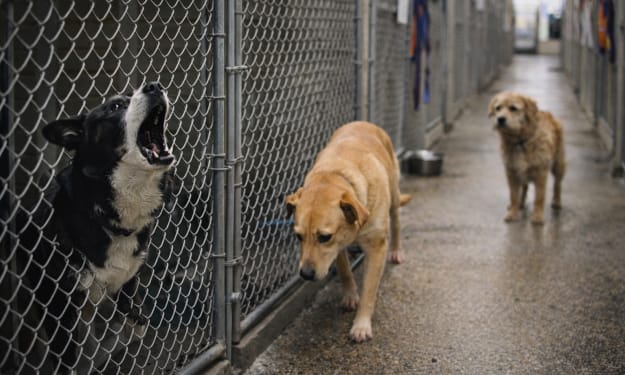
By day 3, the barking changes. The first 48 hours are chaos. Intake processing. New smells. Metallic doors slamming. By day 3, some dogs bark constantly. Others stop almost entirely. One paces the kennel line until the pads on his feet redden. Another stands motionless, eyes half-lidded, ignoring visitors.
By Dr. Mozelle Martin4 days ago in Petlife



Comments
There are no comments for this story
Be the first to respond and start the conversation.