
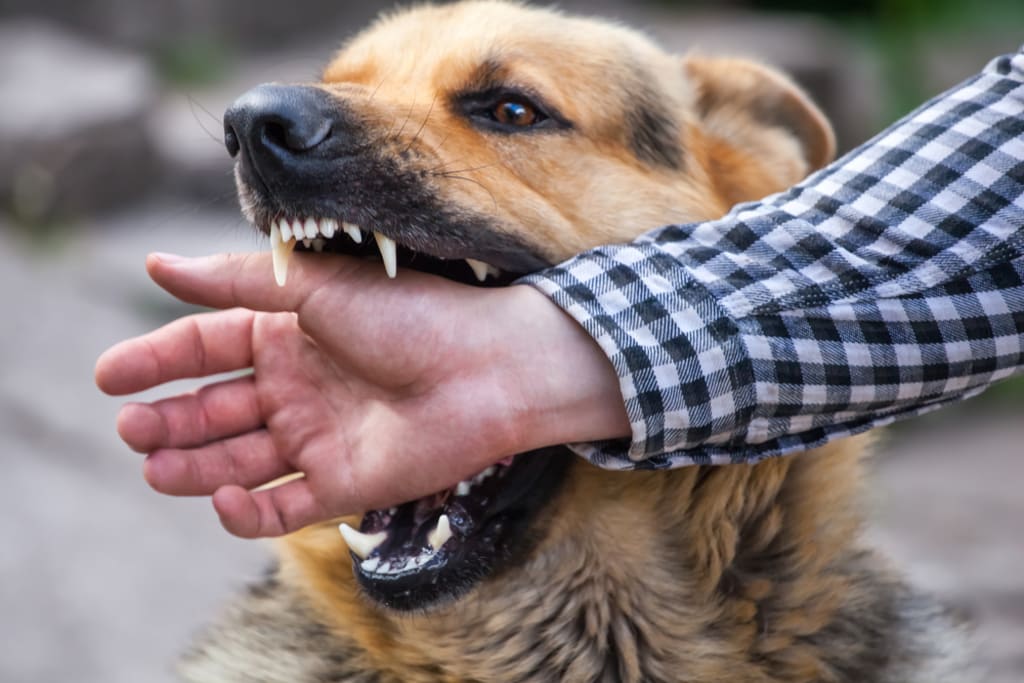
Dog bite prevention is an essential aspect of public safety, especially in communities where dogs are prevalent. Each year, millions of people worldwide are bitten by dogs, leading to serious injuries, emotional trauma, and even fatalities. While dogs are often considered man's best friend, it is crucial to recognize the potential risks and take proactive steps to prevent incidents. This article aims to raise awareness about dog bite prevention, offering detailed insights and practical advice to ensure the safety of both humans and dogs.
Understanding the Causes of Dog Bites
Why Do Dogs Bite?
Dogs may bite for various reasons, often rooted in their instincts or reactions to specific situations. Understanding these triggers is the first step toward preventing bites. Common reasons include:
Fear or Anxiety: Dogs may bite when they feel threatened or scared. This is often a defensive reaction to protect themselves.
Territorial Behavior: Some dogs are highly protective of their territory, including their home, yard, or even their owners. When they perceive an intruder, they may respond aggressively.
Pain or Illness: A dog in pain or suffering from an illness may bite as a way to communicate discomfort or to protect themselves from further pain.
Playfulness: Even in play, a dog might accidentally bite. While these bites are often less severe, they can still cause injury.
Maternal Instincts: A mother dog may bite if she feels her puppies are threatened.
Recognizing Warning Signs
Dogs often display specific behaviors before they bite. Recognizing these warning signs can prevent a potential incident:
Growling or Snarling: A clear sign that a dog is uncomfortable or feeling threatened.
Baring Teeth: A defensive posture that indicates the dog is ready to bite if necessary.
Ears Back or Tail Tucked: These signs of fear or submission can precede a bite, especially if the dog feels cornered.
Rigid Body Posture: A stiff, tense body can signal that the dog is on high alert and may bite if provoked.
Avoiding Eye Contact: Some dogs may avoid direct eye contact when they are scared or anxious, which can be a precursor to a bite.
Effective Dog Bite Prevention Strategies
Education and Awareness
One of the most effective ways to package carrier dog bite prevention is through education and awareness. Both dog owners and the general public should be informed about dog behavior, responsible pet ownership, and safety practices.
Teach Children About Dog Safety: Children are often the victims of dog bites due to their lack of understanding of dog behavior. Educating children on how to approach dogs, avoid startling them, and respect their space can significantly reduce the risk of bites.
Community Outreach Programs: Local governments and animal welfare organizations can organize workshops and seminars to educate the public about dog safety. These programs can cover topics such as reading dog body language, proper handling techniques, and what to do in case of an aggressive dog encounter.
Public Service Announcements: Utilizing various media platforms to broadcast messages about dog bite prevention can reach a wide audience, increasing overall awareness.
Responsible Dog Ownership
Dog owners play a crucial role in preventing bites by practicing responsible pet ownership. This includes:
Proper Training: Dogs should be trained from a young age to obey basic commands and to socialize with people and other animals. Positive reinforcement training can help curb aggressive behavior.
Regular Veterinary Care: Ensuring that dogs receive regular check-ups and vaccinations can prevent health-related causes of aggression, such as pain from untreated conditions.
Leashing and Supervision: Dogs should always be leashed in public spaces and supervised around children and unfamiliar people. This not only protects others but also keeps the dog safe from potential threats.
Spaying/Neutering: Neutering or spaying dogs can reduce aggressive tendencies, particularly in male dogs. This is an important step in responsible dog ownership.
Handling and Reporting Dog Bite Incidents
Immediate Actions After a Dog Bite
If a dog bite occurs, prompt action is essential to minimize the severity of the injury and prevent infection. Here’s what to do immediately:
Clean the Wound: Thoroughly wash the bite area with soap and water to remove any bacteria.
Seek Medical Attention: Even minor bites should be examined by a healthcare professional to assess the risk of infection or other complications.
Document the Incident: Take photos of the injury and gather information about the dog and its owner, if possible. This documentation may be necessary for legal or medical purposes.
Report the Bite: In many areas, dog bites must be reported to local authorities or animal control. This helps track incidents and ensures that proper measures are taken to prevent future bites.
Legal and Financial Considerations
Dog bite incidents can lead to significant legal and financial implications. Understanding your rights and responsibilities is crucial:
Liability: Dog owners may be held liable for injuries caused by their pets. This can result in legal action, fines, and compensation for the victim’s medical expenses and other damages.
Insurance Coverage: Many homeowners’ insurance policies include coverage for dog bite incidents. Dog owners need should seek their coverage limits and exclusions.
Legal Action: In severe cases, the victim of a dog bite may file a lawsuit against the dog owner. Both parties should seek legal counsel to navigate the complexities of the legal system.
Conclusion
Preventing dog bites is a shared responsibility that involves education, awareness, and responsible pet ownership. By understanding the causes of dog bites, recognizing warning signs, and implementing preventive measures, we can create a safer environment for everyone. Whether you’re a dog owner, a parent, or a member of the community, taking proactive steps can make a significant difference in reducing the risk of dog bites. Together, we can ensure that our interactions with dogs are safe, positive, and enjoyable.
About the Creator
andy
I am a passionate guest blogger who enjoys exploring and writing about a variety of topics. I aim to provide insightful and engaging content that resonates with readers.
30 Days in a Shelter
By day 3, the barking changes. The first 48 hours are chaos. Intake processing. New smells. Metallic doors slamming. By day 3, some dogs bark constantly. Others stop almost entirely. One paces the kennel line until the pads on his feet redden. Another stands motionless, eyes half-lidded, ignoring visitors.
By Dr. Mozelle Martin6 days ago in Petlife
Lion vs. Hyenas
The struggle between lions and hyenas is one of the most fascinating rivalries in the African wilderness. These two powerful predators share the same habitats, hunt similar prey, and constantly compete for food and territory. Their conflict is not just about strength but also about strategy, teamwork, and survival. Observing a confrontation between them reveals much about the balance of nature on the African savannah.
By Abubakar2207 days ago in Petlife
Bomb Scare
It was 2027, and the world never thought it would happen. A missle hit the United States, but it wasn't where they had anticipated. A little town in the northeast was hit by a missile strike, they didn't know why, and they didn't know exactly where it hit, but they did know it was a coastal community, somewhere between Maine and Delaware.
By Gregory Payton2 days ago in Fiction



Comments
There are no comments for this story
Be the first to respond and start the conversation.