
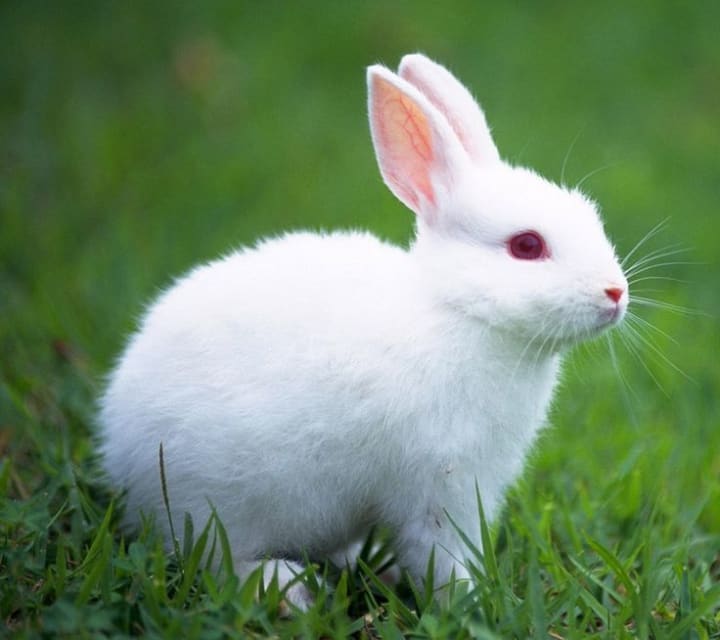
Rabbits are gentle, intelligent, and playful animals.
Understanding a Rabbit’s Natural Diet

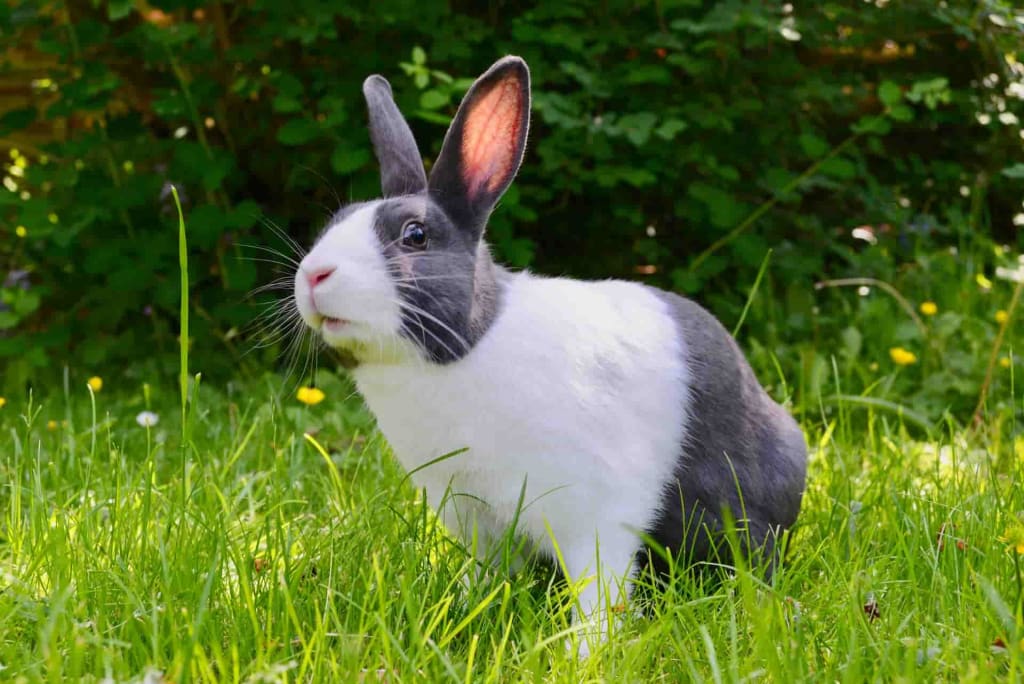
abbits are gentle, intelligent, and lovable animals that make
wonderful pets when cared for properly. One of the most important parts of keeping a rabbit healthy and happy is providing the right
food. Many people believe rabbits only eat carrots, but this is a common myth. In reality, rabbits need a balanced and carefully
planned diet to support their digestion, teeth health, and overall well-
being. Understanding what rabbits like to eat and how to prepare their food at home can help you give your pet a long, healthy life.
What Rabbits Like to Eat
A rabbit’s diet should be mostly natural and fiber-rich. Their digestive
system is designed to process rough plant material, especially hay and grass. The food they enjoy most is also the food that keeps them healthiest.
Hay and Grass
Hay is the most important food in a rabbit’s diet. Fresh grass hay such as timothy hay, orchard grass, or meadow hay should make up about
70–80% of their daily food. Hay helps wear down their constantly growing teeth and keeps their digestive system working smoothly.
Fresh grass, if clean and pesticide-free, is also excellent for rabbits.
Fresh Vegetables
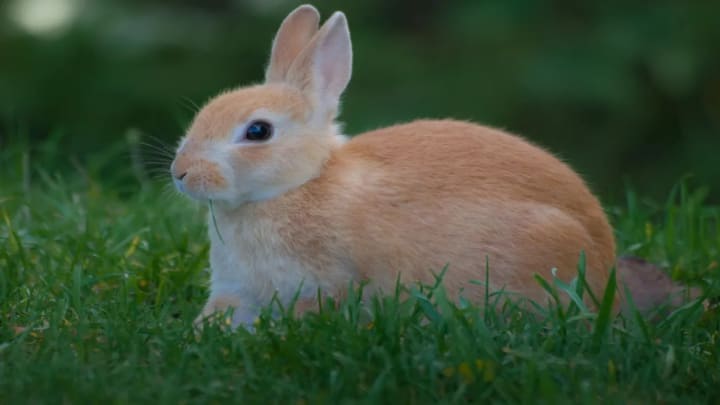
Rabbits enjoy a variety of leafy green vegetables. These provide
vitamins, minerals, and hydration. Some favorites include romaine lettuce, coriander (cilantro), parsley, mint, basil, spinach (in small
amounts), carrot tops, beet greens, and cabbage leaves. Vegetables should always be fresh, washed, and given in moderate quantities.
Fruits (Occasional Treats)
Rabbits have a sweet tooth and enjoy fruits, but these should be given
only as treats. Fruits are high in natural sugar and can cause
digestive problems if overfed. Small pieces of apple (without seeds), banana, papaya, mango, strawberries, or watermelon are usually well liked.
Pellets
High-quality rabbit pellets can be part of the diet, but they should not replace hay. Pellets should be plain, without added colors, seeds, or
sugary bits. Adult rabbits usually need only a small amount each day.
Fresh Water
Clean, fresh water is essential. Rabbits should always have access to
water, either in a bowl or a bottle, changed daily.
Foods Rabbits Should Avoid
Some foods can be harmful or even dangerous for rabbits. These include chocolate, bread, biscuits, sugary snacks, onions, garlic,
potatoes, avocado, cooked food, and dairy products. Iceberg lettuce
should also be avoided, as it contains substances that can upset a
rabbit’s stomach.
How to Make Rabbit Food at Home
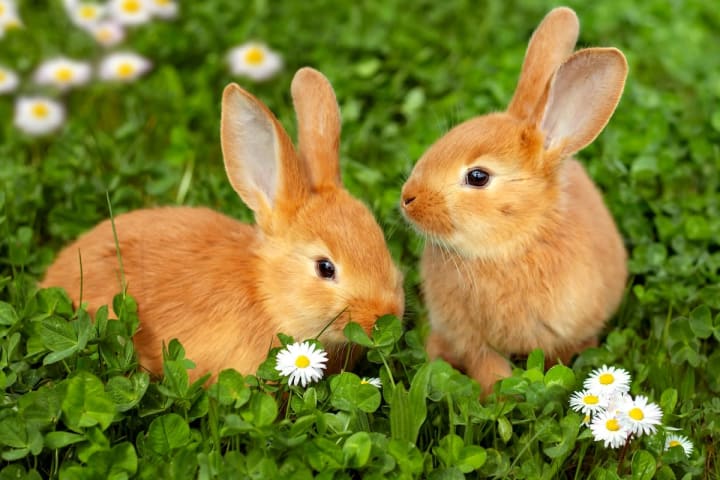
Making rabbit food at home is easy, economical, and healthy if done
correctly. Homemade food allows you to control the quality and
freshness of ingredients.
Homemade Hay Mix
The foundation of homemade rabbit food is good-quality hay. You can buy hay in bulk and store it in a dry, clean place. Mix different types
of grass hay to keep your rabbit interested. Ensure the hay smells
fresh and is free from dust or mold.
Fresh Vegetable Salad
You can prepare a daily vegetable salad for your rabbit. Choose 3–5 different leafy greens and chop them into medium-sized pieces. For
example, mix romaine lettuce, coriander, carrot tops, and a small water drain before serving.amount of spinach. Wash the vegetables
thoroughly and let excess
Simple Homemade Treats
Healthy treats can be made at home using natural ingredients. For
example, mash a small piece of banana or apple and mix it with
crushed hay pellets. Shape the mixture into small balls and let them
air-dry. These treats should be given only occasionally.
DIY Pellet Alternative (Optional)
If pellets are not easily available, you can create a simple alternative by grinding dried hay and mixing it with small amounts of oats and
dried herbs. Add a little water to form a dough, shape into small pieces, and dry them completely in the sun. These should be used
sparingly and not as a main food source.
Feeding Schedule and Tips
Rabbits like routine. Hay should be available at all times, while vegetables can be given once or twice daily. Introduce new foods slowly to avoid stomach upset. Always observe your rabbit after
feeding new items to ensure there are no digestive problems.
Clean feeding bowls daily and remove uneaten fresh food after a few hours to prevent spoilage. Keep food portions appropriate to your
rabbit’s size, age, and activity level.
Conclusion
Rabbits love to eat fresh, natural foods that are rich in fiber and nutrients. Hay, leafy greens, clean water, and occasional treats make
up an ideal diet. By learning what rabbits like to eat and preparing their food at home, you not only save money but also ensure your
rabbit receives safe, wholesome nutrition. A well-fed rabbit is more
active, cheerful, and healthy, making your bond with your furry
friend even stronger.
About the Creator
Niaz Muhammad
Insha Allah, I will write in such a good way that people with weak eyesight or the elderly can easily read it.
Keep reading
More stories from Niaz Muhammad and writers in Petlife and other communities.
Authenticity and Presence: What Animals Can Teach Actors About Emotional Truth
Actors spend years searching for authenticity. Acting schools teach technique, rehearsal methods focus on emotional preparation, and directors guide performers toward believable moments on screen. Yet sometimes the most meaningful lessons about authenticity come from unexpected places.
By Andreas Szakacsabout 24 hours ago in Petlife


Comments
There are no comments for this story
Be the first to respond and start the conversation.