
Puppy Socialization 101: The Ideal Timeline for Introducing Your Pup to the World
Discover the crucial stages of puppy socialization and how to ensure your furry friend grows into a confident, well-adjusted companion.

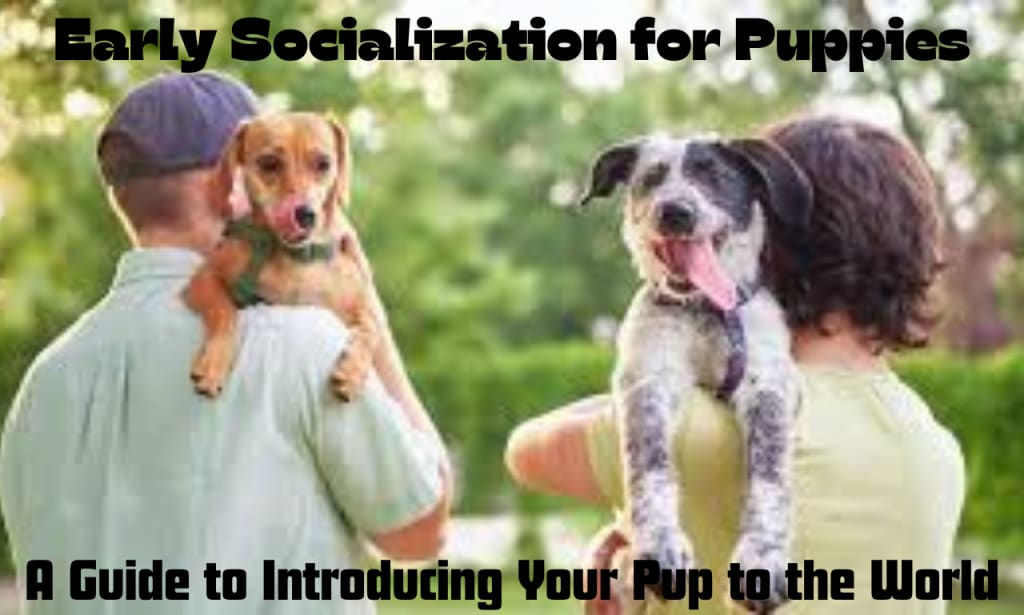
Socializing a puppy is one of the most vital steps in raising a happy, well-mannered dog. It’s not just about teaching basic commands or getting them used to a leash—it’s about preparing them to navigate the world confidently and peacefully. Socialization is time-sensitive, with a critical window of opportunity that every puppy parent should understand.
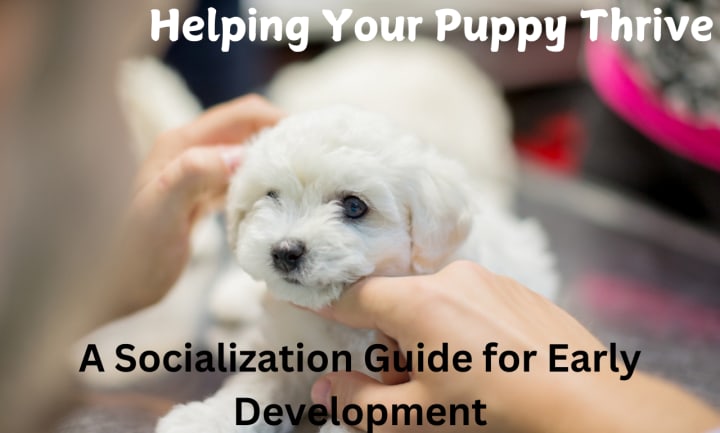
The Key Window: 3 to 14 Weeks
The period between 3 and 14 weeks of age is considered the "critical socialization window." Puppies are highly receptive during this time, making it the best opportunity to expose them to people, other dogs, sounds, and environments. By doing this correctly, you’re helping your puppy grow into a confident, adaptable adult dog.
3 to 5 Weeks: Learning Basics from Mom and Littermates
In these early weeks, puppies are still with their mother and littermates. They learn fundamental social skills such as bite inhibition and communication through play. Breeders and caregivers play an important role by exposing puppies to gentle human touch, soft noises, and a variety of textures.
6 to 8 Weeks: Introducing Humans
This is a crucial period to start introducing puppies to humans of all ages. From children to older adults, puppies should meet a wide variety of people, ensuring they associate humans with positive experiences. This stage lays the foundation for trust and security.
8 to 12 Weeks: Broadening Horizons
By this stage, your puppy is typically ready to come home. It’s time to expose them to new environments and experiences. Introduce them to different settings like parks, streets, and car rides. Arrange safe, supervised playdates with vaccinated dogs, allowing them to learn proper canine interaction skills.
Why Timing Matters
After the 14-week mark, puppies naturally become more cautious of unfamiliar situations. While socialization can still occur after this period, it becomes more challenging to overcome fear responses. That’s why it’s essential to maximize this critical window for exposure.
Tips for Safe Socialization
Vaccination Awareness: Until your puppy is fully vaccinated (usually by 16 weeks), avoid high-risk areas like dog parks. Focus on safe, controlled interactions with vaccinated pets.
Positive Reinforcement: Use treats, praise, or toys to reward your puppy for calm and curious behavior. This helps them associate new experiences with positive outcomes.
Start Small: Introduce one new experience at a time to avoid overwhelming your puppy. For example, let them observe a busy street from a distance before walking through it.
Short Sessions: Keep experiences brief and end on a positive note to prevent overstimulation.
Extending Socialization Beyond 14 Weeks
While the critical socialization period ends at around 14 weeks, the process doesn’t stop there. Socializing your dog is an ongoing effort that continues throughout their life. Here are some steps to ensure continued success:
Enroll in Puppy Classes: These provide a structured environment for learning and socializing.
Explore New Settings: Gradually introduce your dog to busy environments like markets or beaches.
Maintain Positive Experiences: Encourage regular interaction with both familiar and new dogs to keep their social skills sharp.
Signs of a Well-Socialized Puppy
A well-socialized puppy displays confidence and curiosity. They’re friendly toward people and dogs, comfortable in various environments, and less likely to react fearfully to new situations. If your puppy shows signs of fear or anxiety, such as cowering or excessive barking, consider consulting a professional trainer or behaviorist.
The Lifelong Benefits of Socialization
Investing time in proper socialization pays off immensely. A well-socialized dog is less likely to develop behavioral issues like fear-based aggression or anxiety. They adapt more easily to changes in their environment, making them easier to care for and a joy to be around.
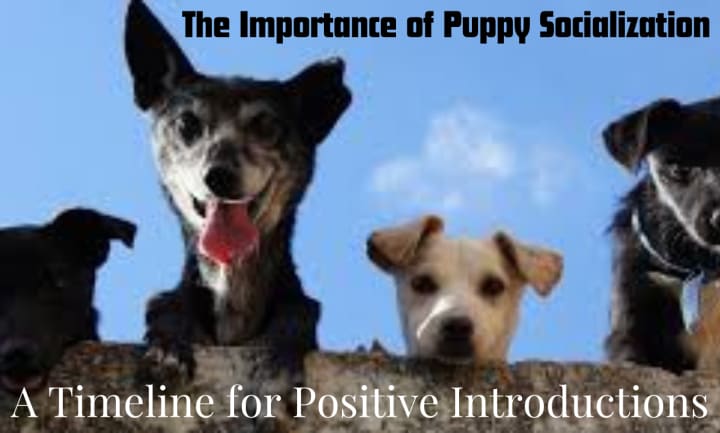
Moreover, socialization strengthens the bond between you and your dog. By guiding them through new experiences with patience and positivity, you’re building a foundation of trust and mutual respect.
Conclusion
Socializing your puppy is not just about obedience—it’s about equipping them with the skills to thrive in a complex world. Start early, proceed with care, and continue the process throughout their life. A confident, well-adjusted dog is not only happier but also more likely to enrich your life in ways you never imagined.
About the Creator
mureed hussain
Hi, I’m a creative writer passionate about health & wellness, love, longevity, aging, and pet care. With extensive Quora experience, I craft engaging posts, thoughtful questions, and insightful answers.
Find me at>>[email protected]
Keep reading
More stories from mureed hussain and writers in Petlife and other communities.
A Home for the Final Chapter: The Tale of a Man and a Senior Dog
Tom always believed life’s greatest joys often came in small, unexpected packages—especially the kind with wagging tails and soulful eyes. But nothing could have prepared him for Henry, a 16-year-old senior dog abandoned at the local shelter.
By mureed hussain12 months ago in Petlife
A Dart at Dusk
Seconds ago, the sullen sun set on the two of us… my exuberant furry companion and me. A fresh breeze embraces us, delivering welcome relief from the day’s oppressive heat. His typical stumbling and staggering along — apace with a sloth — has turned into trip-trapping, high-stepping, almost skipping along.
By Angie the Archivist 📚🪶5 days ago in Petlife
Frozen Clash: Wolf vs Bear
The morning light broke gently over the snow-covered wilderness, turning the frost into a blanket of sparkling diamonds. The forest was silent except for the soft whisper of wind moving through the icy branches. Every tree was coated in white, and the frozen ground glistened under the soft sunlight. In this serene landscape, life thrived in quiet ways, even in the harshest winter conditions.
By Bilal Mohammadi7 days ago in Petlife


Comments (1)
Excellent article and something to refer back to the next time I get a puppy. Unfortunately, our current dog experienced those crucial 14 weeks in an environment where there were just too many dogs living in the house and hates dogs bigger than him. No amount of socializing will ever fix it. Now I know why. Thank you!