
Prolong Your Dog's Lifespan: Unlocking The Health Secrets
Why Do Dogs Have Shorter Lifespans Than Humans?

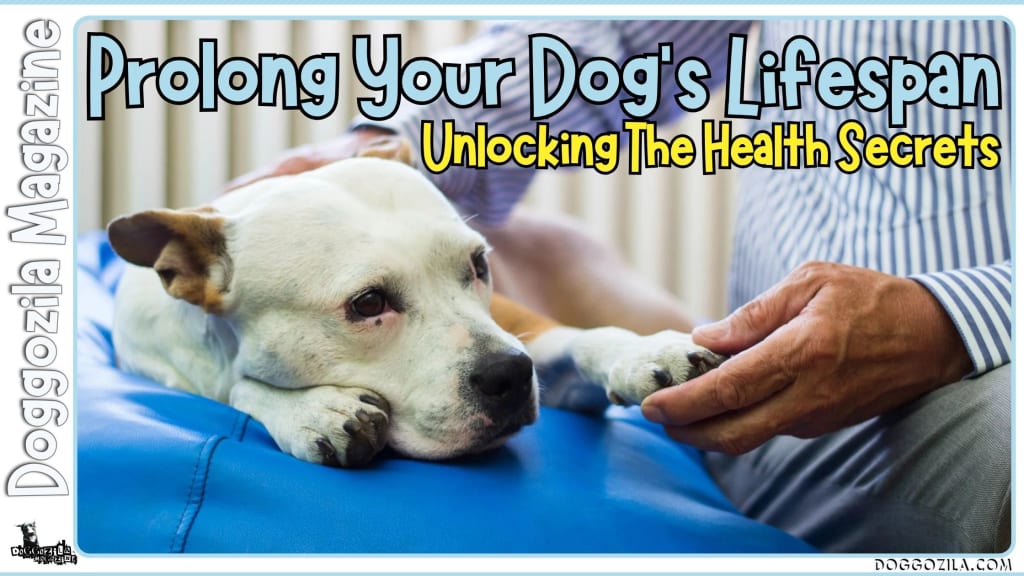
Why our beloved dogs have much shorter lifespans than us, the human has been a matter of great interest and concern for dog owners around the world for a long time. From genes to environmental factors, the determinants of a dog's life are complex and challenging throughout the whole life span. In our enlightening tutorial, "Prolong Your Dog's Lifespan: Unlocking The Health Secrets," we make a careful examination of the difficulties in improving your pet's life with empathy and science.
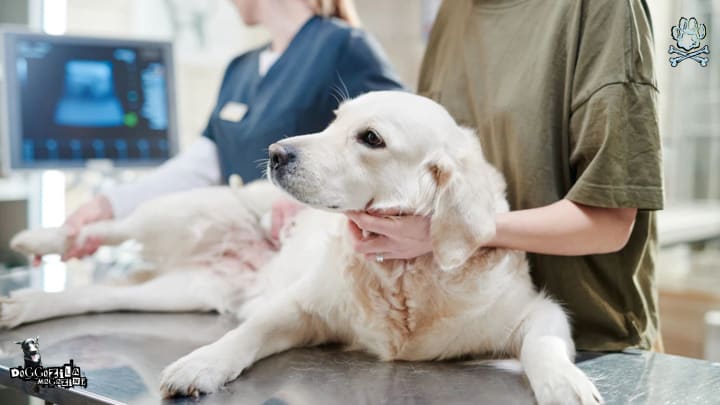
PROLONGING YOUR DOG'S LIFESPAN WITH GENETIC INSIGHTS AND EMOTIONAL SUPPORT
Have you ever stopped to consider why dogs age faster than humans, yet canines have shorter life spans? Join us as we analyze how genetic factors, the normal aging process, health management, environmental challenges, and emotional care change the picture of your dog's life span. Here, you will have the opportunity to avail the opportunities of emotional healing, go through a process of genetic selection, and thus make your pet not only happy but also have a lifelong companion. We are going to embark on a journey of whole care and the development of deep relationships not only with the pet but also with the owner.
Understanding the Role of Genetics in Dogs Lifespan
Genetics decide how long a dog can live. Some dogs have genes that make them live longer or shorter lives. Small dogs like Chihuahuas can live up to 15 years. In contrast, big dogs like Great Danes only live for 8-10 years on average.
Genetic illnesses can shorten a dog’s life. For example, German Shepherds often have hip trouble. Boxers are more likely to get cancer. Recognizing these risks helps owners take extra care of their dogs.
Scientists are looking for gene signs that show if a dog is likely to get sick or how long they may live. One study found a gene that lowered the chance of older dogs becoming forgetful. Such discoveries can help owners give the best care for their dogs.
Key Points: Genes shape how long dogs live. Knowing this helps owners look after their pets better.
Common Genetic Disorders in Dogs
- Hip Dysplasia
- Elbow Dysplasia
- Progressive Retinal Atrophy
- von Willebrand's Disease
- Hypothyroidism
Breeds with Longer Lifespans
- Chihuahua
- Australian Cattle Dog
- Miniature Schnauzer
- Beagle
- Shih Tzu
EXPLORING THE AGING PROCESS IN DOGS
Dogs grow older more rapidly than people do, one dog year is equal to about seven humans. However, different breeds age at different rates.
The Dog Aging Project
Small dogs age more slowly and live longer than big dogs. A Chihuahua becomes a senior at 10 to 12 years, while a Great Dane is considered senior at 5 to 6 years old.
The Dog Aging Project is studying dog aging. Scientists want to understand how dogs age to help them live longer and healthier lives.
Health span is different from lifespan. Lifespan is how long a dog lives, health span is how long it lives in good health.
We must know how dogs age so we can take good care of them.
The Importance of Health Management in Extending Your Dog's Lifespan
Taking care of your dog's health can help it live longer. Regular vet visits and preventive care are important for spotting health issues as soon as possible.
Take your dog to the vet once a year. These visits help your vet check how healthy your dog is. They can give shots and find problems early. Finding sickness early makes treatment easier and dogs can live longer.
Do we clean dog's teeth and stop pests like fleas and worms? Staying slim can stop many problems that shorten lives. Fat dogs can get bad hips, sugar, and other troubles.
Look for any changes in your dog's behavior or health. If they seem tired, not eating, or peeing differently, tell your vet right away. Catching things early is best.
Key Points: To make your dog live longer, see the vet often, do preventions, and catch any sicknesses early.
Essential Elements of a Dog's Preventive Healthcare
1. Take your dog to the vet each year or every six months
2. Give him all the needed shots.
3. Prevent fleas, ticks, and heartworm.
4. Take care of his teeth.
5. Keep him slim.
Signs to Watch for in Your Dog's Health
- Change in how much he eats or drinks.
- Less active than before.
- Throws up or has diarrhea.
- Coughs or has trouble breathing.
- Has bumps or lumps on its skin.
How The Place Where Your Dog Lives Affects Its Health
The life place of your dog can change how it feels. Food, walk, and poisons affect their health.
Your dog must have good food. Different kinds of food are made for old dogs, young dogs, big dogs, and little ones. Playing is necessary for your dog body and mind.
Things in the house or yard can harm dogs. Know about poisons, sprays, and plants. Decrease your dog's contact with these things.
Important things: It is important to give dogs good food, let them exercise and keep poisons away from them to ensure they are healthy and live long lives.
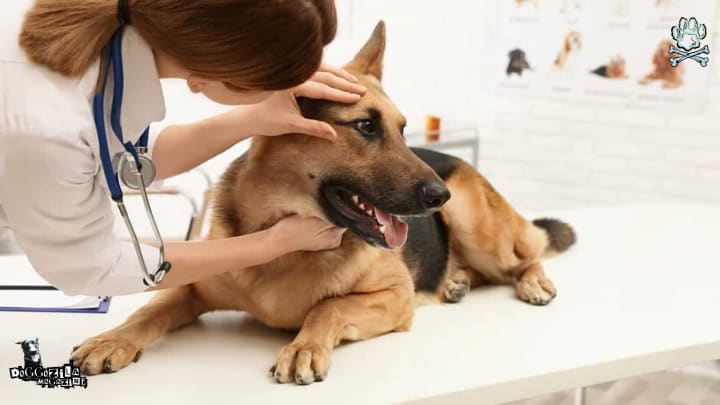
EMOTIONAL WELL-BEING AND ITS IMPACT ON CANINE LONGEVITY
Your dog's emotional well-being is vital for a long, happy life. Dogs are social, needing people and mental activities.
Strong bonds form from play, walks, or training. These reduce anxiety and stress, leading to good health. Stress weakens defense systems and speeds aging.
Safe homes and socializing with others boost emotional health. Walks and playtime stimulate their minds and keep them happy.
Watch for signs of stress and handle them fast. Vets or trainers provide help with emotional care.
Key Points: Strong bonds, mental activity, a secure atmosphere promote your dog's health and long life.
Ways to Strengthen Your Bond with Your Dog
1. Spend time together.
2. Play often.
3. Use puzzle toys or learn tricks.
4. Train with rewards.
5. Be loving.
Coping with Dog Loss: Insights and Support for Pet Owners
When a favorite dog dies, it is a very painful time. Allow yourself to feel your feelings, and express them through words, writing, or finding help. Connecting with your dog through the objects they used or the activities they liked will give you relief. Later on, by owning a new dog, you may feel better and experience the happiness your earlier dog brought you.
Key Points: It is normal to grieve - talk to someone, remember your pet, and slowly deal with it.
Insights from Scientific Studies on Dog Longevity
Scientific studies on dog longevity are shedding light on factors that affect lifespan and health. The Dog Aging Project, led by Dr. Daniel Promislow, examines genetic and environmental influences on aging. Embark Veterinary Inc. is testing rapamycin, a drug that may extend canine life. Research on cognitive decline in senior dogs also aims to improve overall healthspan.
Key Points: Ongoing studies provide valuable insights into canine aging, with potential benefits for both dogs and humans.
Key Findings from the Dog Aging Project:
- Genetic diversity is a key factor in determining how long the dog lives.
- The healthy body size is the key predictor of the dog's lifetime.
- The conditions, one of which might be what they eat and physical activities they are involved in, could meaningfully affect healthspan.
Promising Areas of Research in Dog Longevity:
1. The discovery of genes that prevent aging from being passed on to future generations of humans
2. Slow aging in dogs with life-span extending drugs including rapamycin
3. Intervention for ensuring healthy aging is attained in senior dogs preserving cognitive function
4. The line between the gut microbiome and the long course of the life span is narrow.
GENETIC TESTING AND ITS BENEFITS FOR DOGS
Recent developments in genetic testing equipment for canines make it easier for animal owners to acquire crucial information about the well-being and longevity of their pets. The likes of Mars Veterinary and Embark Veterinary Inc. present panel tests that analyze a dog's DNA to determine if there are some hereditary markers related to conditions like hip dysplasia, heart disease, and cancer. Early discovery is the foundation for the veterinarian to establish appropriate treatment strategies.
Genetic test results are also helpful in the identification of a dog’s breed. It is easier for farm's administration, especially for mixed breed dogs. Also, they check for these traits coat color, body size, and behavior.
Key Points: The application of genetic testing as a tool of Mars Veterinary and Embark Veterinary Inc. is the most beneficial and the most effective for pet health and longevity. It helps the pets to live a good life and owners to manage and care better.risks, breed composition, and traits, enabling proactive health management and personalized care.
Common Health Conditions Identified Through Genetic Testing
1. Hip and Elbow Dysplasia
2. Degenerative Myelopathy
3. Dilated Cardiomyopathy
4. Progressive Retinal Atrophy
5. von Willebrand's Disease
Diet and Exercise: The Cornerstones of a Dog's Health
To achieve a healthy and long life, the right feeding regime, physical exercises, and also a diet with vital nutrients are all of the needed things for a dog. Feeding them high-quality dog food made for their age, size, and the level of their regular exercise will provide them with all the necessary nutrients. Do not use leftovers from the table and restrict the number of big treats so that it is easy for your canine to avoid becoming obese.
Regular walks, leisure activities, and interactive games are very useful to maintain the brains and body of the dogs. The requirements of the breed, age, and the kind of animal’s health determine the needs of activities. A regular maintenance of the teeth as: brushing, chewing on dental treats, and vet cleanings are the most important also.
Key Points: The health of a dog is directly affected by eating proper food, exercise and dental care that are provided to his dog.
Tips for Maintaining Your Dog's Dental Health
1. Brush your dog's teeth daily with pet-safe toothpaste
2. Give dental chews and toys to your dog that will help him/her chew and clean teeth
3. Set a routine for a vet to clean your dog's teeth professionally twice a year
4. Ensure you feed a dental health-focused diet, if recommended by your vet
The Human-Dog Bond: More than Just Companionship
The human-dog relationship is not about simply keeping company but it is a very special one which is more than that. The human-dog bond involves a link that benefits both humans and dogs and it has been proved to have good impacts physically and emotionally.
Being around dogs can help people to feel relaxed, as dogs may provide people with warmth, reduce stress and anxiety, and also lower blood pressure. Bringing a dog into the house and then taking full care of him, from feeding and taking him out to playtime and time to cuddle him, can really bring a purpose and contentment in your life.
Dogs, on the other hand, love human interaction and affection. Their bond with humans makes them feel safe, confident, and happy. This connection is so strong that dogs have been found to experience similar hormonal levels to their human companions when interacting with them.
The human-dog bond is the root of the various roles that dogs play in our lives. It starts from being faithful family pets to becoming highly trained service animals. A deeper understanding and care for this unique connection can lead to a more pleasing and enriching relationship for both dog and owner.
Key Points: The bond between a human and a dog is not only dependent on mutual benefits but is also an emotionally meaningful agreement extending from mere companionship to a relationship that positively influences the health and well-being of both dogs and their human companions.
COGNITIVE FUNCTION AND AGING IN DOGS
Like people do, dogs are also likely to go through cognitive function changes as they age which can resemble the cognitive decline that is observed in some elderly humans. This is a change that might be manifested in the form of confusion, disorientation, sleep changes, and a decreased interaction with their environment.
Age, just as in the case of a human being, can influence a dog's brain leading to the loss of memory and learning and logical thinking abilities. The condition might lead to the development of dog's cognitive dysfunction (CCD) whereby the dog appears to have Alzheimer's disease similar signs in people as well; hence is likely to suffer from dog's cognitive dysfunction.
Mental exercises like interactive physical activities or games of hide-and-seek, and teaching tricks to a dog can assist in keeping their mind sharp by challenging them. In addition to dog's training routines, engage in activities that are mentally challenging to your dog and you may be able to preserve their cognitive health and in the long run, slow down the age-related slide.
Besides the mentioned mental factors, the right diet, regular physical exercises, and the relationship that exists between the dog and the owner can also support a dog's cognitive function. Pay attention to these signs and if you recognize some of them, listen to your veterinarian concerning the necessary assistance with their mental health.
Key Points: In the passage, the author mentions that cognitive function would likely decrease in the case of a dog, and yet mental stimulation, the right way of life, and a strong human-animal bond are among the means which might help protect their mental health while they are in old age.
Strategies for Prolonging Canine Health Span
This informality was devised to state the wish of many pet owners to prolong, through the employment of mean affordances, the biggest possible parts of their pet's life spent in good health. And even, if we are not sustainable, there are a number of strategies we can introduce to our lovely four-legged friends to make them stay healthy and cheerful as long as possible.
Rapamycin and other drugs that can extend the life span formed the life-prolonging area of research, which turned out to be quite promising. Thus, rapamycin can prevent several aging-related diseases, as animal trials have already demonstrated. It is necessary to remember that these researches still have a long way ahead, but they show the possibility to cure age of the canine in the future.
Of course, rather than causing the old dog to become sick, the focus on preventive healthcare, such as everyday check-ups, vaccination, and early finding of the diseases is a great way to promote a dog's healthspan. Moreover, the moment we see some health issues that might start to ruin our pet's life, immediate treatment will certainly be the right choice MADE.
The main role that food plays in a dog's healthspan may be the reason why today's most common problem is obesity. By fulfilling the needs of our pets, in terms of health and ecological well-being, they will stay with us for as long as possible and enjoy living illness free.
Key Points: Methods of prolonging a dog's life should be primary care, early recognition of diseases, and making the lifestyle healthier by improving nutrition, exercise and training the mind to reduce stress.
The Final Takeaway
Summing up, the quest for knowledge and improvement related to your pet longevity by means of genetic insights and sentiment has been very compact and thrilling. Through the revelation of the confusing workings of genetic predispositions, the process of aging, health management, the environmental influences, and lastly, the emotional well-being, you have undergone a unique experience through which you have learned to take a more active role in taking care of your pet.
Going through the field of dog longevity, the person is reminded of the four fundamental keys that need attention and inclusion in the extending life of our loved animals; namely, proactive health management, proper nutrition, regular exercise, and emotional connection. Happiness and well-being are influenced in a very big way by our close relationships with dogs. It is not just companionship, but it is a strong influence on the dogs' happiness.
Applying the practical solutions revealed in this exploration you are not only extending your dog's life but also making the time together a more satisfying experience. You can have a million-dollar moment every day, share your dog's happiness, and make unforgettable memories together with your pet. As you remain devoted to their wellness, they will surely bestow upon you the unfathomable amount of love and joy.
Thank you for joining us in the journey to unlock the secrets of prolonging your dog's life. May your partners be full of good health and the two of you enjoy the time spent together being the treasure which can be remembered at any point in life. Do not let the obstacles hold you back, cheer the smallest achievements, and be the tender caring person your dog deserves.
About the Creator
Bella James
Bella James is a skilled content writer specializing in the pet industry. With extensive experience creating high-quality, search-optimized content for healthcare, veterinary, and pet websites.
Keep reading
More stories from Bella James and writers in Petlife and other communities.
Veterinary Sales Representative Guide For Better Puppy Care
Puppy care significantly improves pet's health. Without proper nutritional products, medical guidance, and continuous veterinary support will not exist. In addition, apart from the veterinarian's work to achieve the puppy's health, a committed Veterinary Sales Representative is working in the background to ensure access to high-quality pet care solutions. These professionals engage in the sales of different items that aid in pets' lives. Among the ways they do this include providing the best products that cater to nutrition, preventive care, and medical treatment.
By Bella James11 months ago in Petlife
A Dart at Dusk
Seconds ago, the sullen sun set on the two of us… my exuberant furry companion and me. A fresh breeze embraces us, delivering welcome relief from the day’s oppressive heat. His typical stumbling and staggering along — apace with a sloth — has turned into trip-trapping, high-stepping, almost skipping along.
By Angie the Archivist 📚🪶4 days ago in Petlife
Real camouflage for people and machines is getting closer thanks to materials inspired by octopuses.
Engineers now have a closer resemblance to octopus skin thanks to a new colour-changing material that can change both its colour and surface roughness in less than 10 seconds. The soft photonic skin was created by Stanford University researchers using patterns on its surface that are tiny than a human hair.
By Francis Dami5 days ago in Petlife


Comments
There are no comments for this story
Be the first to respond and start the conversation.