
Pet Policies in Lease Agreements: What Landlords and Tenants Should Know
Pet Policies

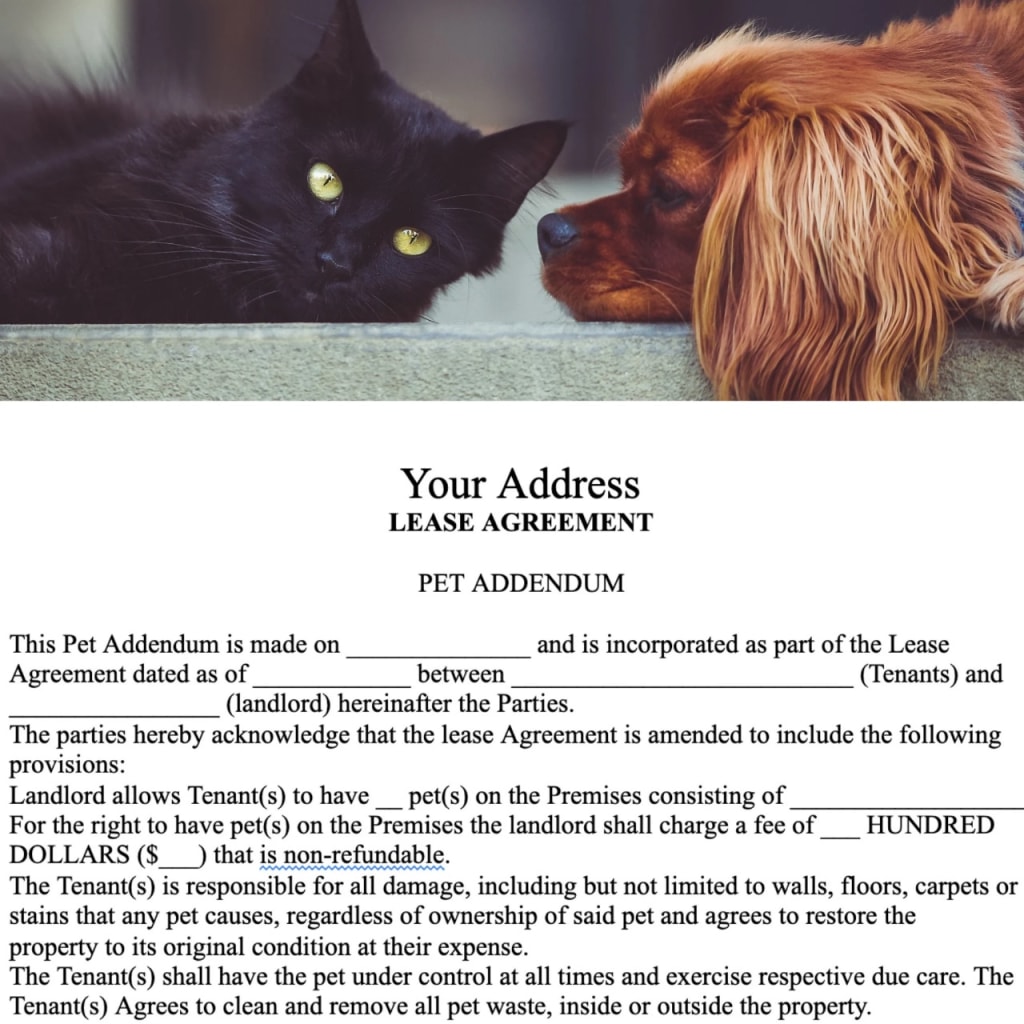
When searching for a rental property, many tenants prioritize whether their furry companions are welcome. At the same time, landlords face the challenge of balancing pet-friendly policies with the need to protect their property and maintain harmony among tenants. This is where clearly written pet policies in lease agreements become essential. Whether you are a landlord drafting a lease or a tenant signing one, understanding the terms surrounding pets can save you from potential conflicts, financial losses, or even eviction.
Why Pet Policies Matter
A pet policy is more than a line in the lease; it is a safeguard for both parties. For landlords, it helps set expectations around property use, liability, and potential damages. For tenants, it clarifies their rights and responsibilities as pet owners. Without clear rules, disputes can arise over noise complaints, damage repairs, or even unauthorized pets.
Including a pet policy in the lease provides:
- Legal clarity: Both landlord and tenant know what is permitted and what is not.
- Financial protection: Security deposits, pet fees, and insurance requirements help cover unexpected costs.
- Community standards: Rules reduce conflict among tenants, especially in multi-unit properties.
Common Elements of Pet Policies
While details vary by property, most pet policies include several standard components:
- Types of Pets Allowed: Some landlords restrict rentals to cats, small dogs, or caged animals, while others prohibit certain breeds or species altogether.
- Pet Limits: A policy may specify a maximum number of pets or weight limits to ensure animals remain manageable within the property.
- Deposits and Fees: Landlords often require a refundable pet deposit or a nonrefundable pet fee to cover potential damages. Some charge a monthly “pet rent.”
- Rules of Conduct: Policies may address noise, leash requirements in common areas, and waste cleanup to protect the property and respect neighbors.
- Health and Safety Requirements: Tenants may be required to show proof of vaccinations, flea treatments, or spaying and neutering.
- Consequences of Violations: Clear terms outline what happens if a tenant violates the policy, including fines or lease termination.
Landlord Considerations
Being pet-friendly can expand your pool of prospective tenants. Many renters are willing to pay higher rent or fees for a home that accommodates pets. However, landlords should weigh the benefits against potential risks.
- Property Damage: Pets may scratch floors, chew on furniture, or soil carpets. Security deposits and pet fees help offset these costs.
- Noise and Complaints: Barking dogs or disruptive pets can lead to neighbor conflicts. Establishing noise standards helps prevent issues.
- Liability: Landlords may be held responsible for injuries caused by a tenant’s pet on the property. Requiring renters to carry liability insurance offers protection.
- Fair Housing Laws: Landlords must comply with federal and state laws regarding service animals and emotional support animals (ESAs). These animals are not considered pets under the law, meaning landlords generally cannot deny them or charge extra fees.
Tenant Considerations
For tenants, understanding the pet policy before signing a lease is crucial. Misrepresenting or hiding a pet can lead to fines, eviction, or even legal action.
- Review All Terms Carefully: Ensure you understand fees, restrictions, and responsibilities. Ask questions if anything seems unclear.
- Document the Pet’s Condition: Providing vaccination records, spay or neuter certificates, or obedience training certifications can reassure landlords.
- Respect the Rules: Adhering to leash requirements, waste cleanup, and noise standards helps maintain a positive landlord-tenant relationship.
- Know Your Rights: If you have a service animal or ESA, you are entitled to reasonable accommodations under the Fair Housing Act. However, landlords may request documentation for ESAs.
Service Animals vs. Emotional Support Animals
This is one of the most misunderstood areas of rental law. A service animal is trained to perform tasks for individuals with disabilities, such as guide dogs for the visually impaired. Landlords must allow them regardless of pet restrictions or fees.
An emotional support animal (ESA) provides therapeutic benefits but does not require specialized training. ESAs are also protected under the Fair Housing Act, meaning landlords generally cannot deny them or charge extra rent or deposits. However, tenants must provide legitimate documentation from a licensed professional.
Landlords should be cautious when evaluating ESA requests, as denying a legitimate request can lead to legal consequences. Tenants should also avoid misrepresenting pets as ESAs.
Negotiating Pet Terms
Not all leases are set in stone. In some cases, landlords and tenants can negotiate terms:
- A landlord may agree to allow a pet with higher pet rent or an additional deposit.
- Tenants may offer to carry additional renters’ insurance to cover liability.
- Agreements may specify areas where pets are restricted, such as certain rooms or common areas. Clear communication up front often prevents misunderstandings in the future.
Final Thoughts
Pets are family to many renters, but they also bring challenges for property owners. A well-crafted pet policy strikes a balance, protecting the landlord’s investment while allowing tenants to enjoy their homes with their animals.
For landlords, clarity and compliance with laws are key. For tenants, honesty and responsibility go a long way toward maintaining trust. By addressing pets directly in the lease, both parties create a more secure, transparent, and harmonious rental experience.
About the Creator
Gulshan
SEO Services , Guest Post & Content Writter.
A Dart at Dusk
Seconds ago, the sullen sun set on the two of us… my exuberant furry companion and me. A fresh breeze embraces us, delivering welcome relief from the day’s oppressive heat. His typical stumbling and staggering along — apace with a sloth — has turned into trip-trapping, high-stepping, almost skipping along.
By Angie the Archivist 📚🪶6 days ago in Petlife
“Ting Ting” The Duck
Quna, Funa, and Sona were three friends. They were small ducks who lived in a shallow pond. Quna was a white duck. Her beak was golden yellow, and her feet were the same bright color, which made her look very beautiful. She was well aware of her beauty. She would swim a little and then flick her tail proudly. When she drank water, she dipped her beak into the pond, filled her mouth, and then lifted her head toward the sky. The water could be seen sliding down her white neck. Everyone in the pond thought Quna was extremely beautiful.
By Sudais Zakwanabout an hour ago in Petlife


Comments
There are no comments for this story
Be the first to respond and start the conversation.