
Pawsitive Steps to a Healthier Life: A Deep Dive into Pet Weight Management
Read this blog to know - Pawsitive Steps to a Healthier Life: A Deep Dive into Pet Weight Management

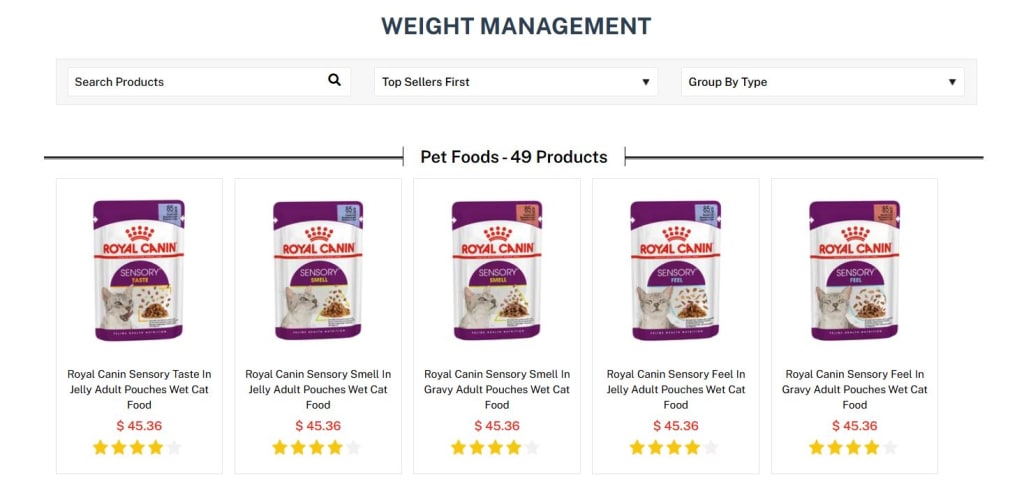
In an era where pet obesity is increasingly recognized as a significant health concern, understanding weight management treatment for our furry companions has become paramount. Just like in humans, excess weight in pets can lead to a myriad of health issues, significantly impacting their quality of life and lifespan. This detailed blog will explore the complexities of pet weight management, from identifying the problem to comprehensive treatment strategies, empowering you to help your pet achieve a healthier, happier life.
The Growing Problem: Why Pet Obesity Matters
The statistics are sobering: a substantial percentage of pets worldwide are overweight or obese. This isn't just about aesthetics; it's about serious health ramifications. Obese pets are at a higher risk for:
Diabetes Mellitus: Excess fat can lead to insulin resistance, making them more susceptible to this chronic disease.
Osteoarthritis and Joint Pain: The extra weight puts immense strain on joints, exacerbating conditions like arthritis and leading to mobility issues.
Cardiovascular Disease: Obesity can contribute to high blood pressure and other heart-related problems.
Respiratory Problems: Excess fat can compress airways, leading to difficulty breathing, especially in warmer weather or during exertion.
Reduced Stamina and Activity Levels: Overweight pets are often less energetic and less inclined to play, creating a vicious cycle of inactivity.
Increased Risk During Anesthesia and Surgery: Adipose tissue can complicate surgical procedures and recovery.
Certain Types of Cancer: Some studies suggest a link between obesity and an increased risk of specific cancers in pets.
Decreased Quality of Life and Shorter Lifespan: Ultimately, all these factors contribute to a diminished quality of life and a shorter life expectancy for our beloved companions.
Identifying the Issue: Is Your Pet Overweight?
It can be challenging for pet owners to objectively assess their pet's weight, as we often see them through the lens of love and affection. Here's how to tell if your pet might be carrying extra pounds:
Body Condition Score (BCS): This is the most reliable tool used by veterinarians. It's a hands-on assessment that evaluates fat reserves and muscle mass on a scale (typically 1-5 or 1-9).
Ideal: Ribs are easily palpable without excess fat covering. You can see an hourglass shape when viewed from above, and an abdominal tuck when viewed from the side.
Overweight: Ribs are difficult to feel due to a moderate fat covering. The waist is less apparent, and the abdominal tuck is minimal.
Obese: Ribs are very difficult or impossible to feel. There's no discernible waist or abdominal tuck, and there may be obvious fat deposits on the chest, spine, and tail base.
Visual Cues: Look for a lack of a defined waist, a sagging belly, or an overall rounded appearance.
Behavioral Changes: Is your pet less active? Do they struggle to jump, run, or even walk? Are they panting excessively after minimal exertion?
Weight on the Scale: While a raw number isn't always indicative, a steady increase in weight on a pet scale is a red flag.
Always consult your veterinarian for an accurate assessment of your pet's weight and body condition score. They can help you determine if a weight management program is necessary.
The Foundation of Treatment: A Multi-faceted Approach
Pet weight management is not a quick fix; it's a commitment to a lifestyle change. A successful treatment plan typically involves a combination of dietary modifications, increased physical activity, and regular veterinary monitoring.
1. Dietary Management: The Cornerstone of Weight Loss
This is often the most critical component. It's not just about feeding less; it's about feeding smarter.
Veterinary-Prescribed Weight Loss Diets: These specialized diets are formulated to be:
Lower in Calories: Significantly fewer calories per serving to promote a calorie deficit.
High in Protein: To help maintain muscle mass during weight loss, as muscle burns more calories than fat.
High in Fiber: To promote satiety (feeling full) and aid in digestive health. This helps pets feel satisfied with smaller portions.
Fortified with Essential Nutrients: To ensure your pet still receives all necessary vitamins and minerals even with reduced food intake.
Examples: Many reputable pet food brands offer prescription weight loss diets (e.g., Royal Canin Satiety Support, Hill's Prescription Diet Metabolic, Purina Pro Plan Veterinary Diets OM). Always use a veterinary-prescribed diet under the guidance of your vet.
Accurate Portion Control: This is crucial. Your veterinarian will calculate the precise daily caloric intake your pet needs to safely lose weight.
Measure everything: Use a kitchen scale to accurately weigh out food portions. Eyeballing can lead to significant overfeeding.
Divide daily allowance: Split the total daily food into two or more smaller meals to keep your pet feeling fuller throughout the day.
Eliminate Table Scraps and High-Calorie Treats: These are often "hidden calories" that can sabotage a weight loss plan. Even small amounts of human food can be a significant caloric contribution for a pet.
Choose Low-Calorie Treats Wisely: If you must give treats, opt for pet-specific, low-calorie options or use vegetables like carrots, green beans, or cucumber (ensure they are safe for your pet).
Slow Feeder Bowls and Puzzle Toys: These can help your pet eat more slowly, promoting satiety and making mealtime more engaging.
2. Increased Physical Activity: Burning Calories and Building Muscle
Exercise is vital for burning calories, building lean muscle mass, and improving overall well-being.
Tailored Exercise Plan: Your veterinarian will help you develop an exercise plan appropriate for your pet's current weight, age, breed, and any underlying health conditions. Start slowly and gradually increase intensity and duration.
Dogs:
Daily Walks: Begin with shorter, more frequent walks and gradually increase length and briskness. Aim for at least 30-60 minutes of moderate activity daily, depending on the breed and individual.
Fetch and Play: Engage in interactive games that encourage running and jumping.
Swimming: A low-impact exercise that's excellent for joint health.
Dog Parks (with caution): Supervised play with other dogs can be a great way to burn energy.
Agility or Obedience Classes: Provide both physical and mental stimulation.
Cats:
Interactive Play: Use laser pointers, feather wands, and toys that mimic prey to encourage chasing and pouncing.
Puzzle Feeders: These make them work for their food, adding a mental and physical component to mealtime.
Cat Trees and Vertical Space: Encourage climbing and exploration.
Leash Training (for some cats): If your cat tolerates it, supervised outdoor walks can provide enrichment and exercise.
Consistency is Key: Regular exercise is more effective than sporadic bursts of activity.
3. Regular Veterinary Monitoring and Support
This is not a "set it and forget it" process. Ongoing veterinary support is crucial for success.
Scheduled Follow-Up Appointments: Your vet will monitor your pet's progress, adjust the diet and exercise plan as needed, and address any concerns.
Weight Tracking: Your vet will regularly weigh your pet and reassess their Body Condition Score.
Addressing Underlying Medical Conditions: Sometimes, weight gain can be a symptom of an underlying medical condition (e.g., hypothyroidism). Your vet will rule these out or manage them accordingly.
Behavioral Support: Your vet can offer advice on managing begging behaviors or other challenges.
Celebrating Milestones: Acknowledging progress, even small steps, can be motivating for both you and your vet.
Overcoming Challenges and Maintaining Success
Weight management can be challenging, but perseverance pays off.
Patience and Consistency: Weight loss takes time. Don't get discouraged if progress is slow. Stick to the plan diligently.
Involve the Whole Family: Everyone in the household needs to be on board with the new feeding and exercise routines to avoid accidental overfeeding.
Manage Begging Behaviors: Ignore begging, or redirect it with a short play session or a low-calorie treat.
Address Boredom: Provide plenty of mental stimulation and appropriate chew toys to prevent boredom-induced eating.
Long-Term Maintenance: Once your pet reaches their ideal weight, the goal shifts to maintaining it. This often involves a transition to a "maintenance" diet and continued regular exercise.
The Benefits of a Healthy Weight
The effort you put into your pet weight management will be richly rewarded. A healthy weight translates to:
Increased Energy and Playfulness: Your pet will have more zest for life.
Improved Mobility: Less pain and greater ease of movement.
Reduced Risk of Chronic Diseases: A significant decrease in the likelihood of developing serious health conditions.
Enhanced Quality of Life: Your pet will be more comfortable, happier, and able to enjoy activities they once struggled with.
Longer Lifespan: By mitigating health risks, you are potentially adding years to your pet's life.
Conclusion
Pet weight management is a testament to our love and commitment to our furry family members. It requires dedication, consistency, and close collaboration with your veterinarian. By taking proactive steps and embracing a comprehensive approach to diet and exercise, you can help your pet shed those excess pounds and embark on a journey towards a healthier, more vibrant, and longer life by your side. Your pet relies on you for their well-being, and helping them achieve a healthy weight is one of the most profound ways you can demonstrate your care.
About the Creator
Thomas Muller
VetSupply is a leading online pet store in Australia with a comprehensive range of products that cater to all your pet care needs.
Keep reading
More stories from Thomas Muller and writers in Petlife and other communities.
Skin & Wound Care for Pets (Dog & Cat)
The Importance of Skin & Wound Care in Pets Your pet's skin is more than just fur-covered beauty—it's a protective barrier against infections, injuries, and environmental irritants. Whether it's your dog's itchy hot spot or your cat’s healing wound from a scrape, proper care keeps them healthy and happy. Check out skin & wound care products for pets!
By Thomas Muller6 months ago in Petlife
A Dart at Dusk
Seconds ago, the sullen sun set on the two of us… my exuberant furry companion and me. A fresh breeze embraces us, delivering welcome relief from the day’s oppressive heat. His typical stumbling and staggering along — apace with a sloth — has turned into trip-trapping, high-stepping, almost skipping along.
By Angie the Archivist 📚🪶4 days ago in Petlife
What Is Your Puppy Trying to Tell You With Those Eyes?
The Science Behind Puppy Eye Contact—and Why It Speaks Louder Than Words --- You’ve seen it a hundred times. Your puppy sits across the room, head slightly tilted, ears perked, eyes locked onto yours. A soft whine or tilt of the head accompanies the gaze. It’s mesmerizing, almost magical—but it’s more than cuteness. Your puppy is communicating something profound, complex, and entirely intentional.
By Ahmed aldeabella2 days ago in Petlife



Comments
There are no comments for this story
Be the first to respond and start the conversation.