


A brilliant hue of yellow streaked by my eye and I stopped to see what it was, realizing I'd never seen this before. The American Goldfinch. Truly, a beautiful bird. I watched it on a bush as I looked it up by color and size, amazed that it was just sitting there, its head bobbing around the way bird's heads tend to do. Then the thought hit me, what was it doing there? I have been around these parts for many years and never before have I seen one of these feather-covered creatures. The American Goldfinch does migrate for short distances, usually summering further north than West Central Illinois.

Western Blue Birds don't migrate to the part of the U.S. very often, at least not as far as I've ever seen one. Much like my little friend today, the past month I've seen two of these beautifully colored little fellows. Seeing these things didn't really stop my day all that much, other than to think about how odd it was to see them in an area I grew up and had never seen before. So, it's a happy coincidence that I've seen two new features to the local landscape, two different breeds of very colorful birds that don't have much history around this part of the country. Have incidents like the wildfires in the western half of the country forced these feathery little friends out of their homes?

The rising temperatures and out-of-control parasite populations are expected to cause the moose population, a cold-weather species, to move further into the Northern United States and Canada. It's because milder winters and less snow are leading to higher numbers of winter ticks. The winter ticks can gather on a single moose in the tens of thousands and feet on its' blood--leaving the moose with a weakened immune system and often causing death, especially in the calve population. Looking at the majestic creatures, it's sad that they're being driven from the places they called home.

Sea Turtles and their nesting sites are vulnerable to their habitats and homes being ruined due to the rising level of the seas, increased storm activity, and strength, and changing temperatures. Much like the fires in the west, this is a result of climate change that's being pushed by global warming. These factors may result in the current nesting and foraging sites becoming unsuitable for even federally threatened and endangered turtle species.

Polar bears are perhaps the poster children for nature's children becoming homeless as climate change has continued to get more and more noticeable. Under the Endangered Species Act, they are listed as a threatened species. The cause of their population decline, primarily, is the loss of sea ice affecting their habitat. This is all attributed to global warming. The polar bear needs sea ice to hunt seals, their main source of food, as well as to travel the large open ranges needed for foraging habitat. Alongside polar bears, Walruses and other Arctic Species are facing the same dangers as summer sea ice continues to be less and less available.

The Puffin is a bird with a beautifully colored bill. They look like miniature penguins and their population is experiencing a decline as they have problems finding their major food sources, herring and white hake. As the sea warms, fish move to the deeper waters, and further north, making it hard for the puffins to catch dinner or feed their young. Because of the problems with their food source, delayed breeding seasons, low birth rates, and chick survival the reproductive ability of these birds is being affected as well as many of their chicks dying of starvation as the food supply chain changes due to the warming temperatures.

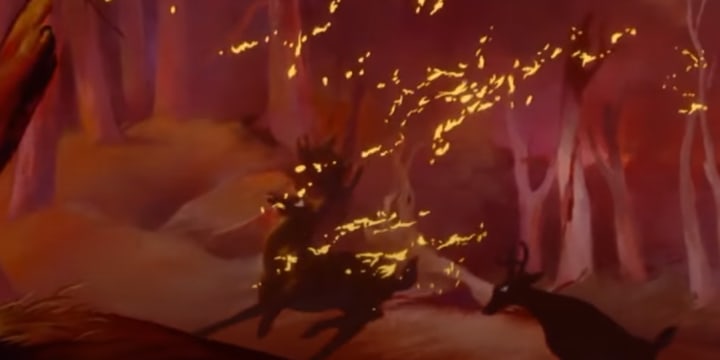
Migration is occurring, at least temporarily, as more and more evidence of how global warming presents itself to us in the form of ravaging storms, intense temperatures, historic floods, and uncontrolled wildfires that burn millions of acres. As the temperature of the planet continues to rise, leaving behind droughts, turning forests into kindling, and melting the ice caps, more and more creatures will be migrating from their homes. It's happening around the globe, in many countries, as the world starts the slow struggle to deal with the problems of our own making. Yet, from day to day, few are consistently discussing the issues publically. Hopefully, one day, people can actually learn we all have the same enemy, our own shortsightedness.
I hope you found this story to your liking and that you'll consider leaving a heart to let me know. Just click on the heart icon next to my name below. There's an option for tipping. It's not expected but always appreciated. The reach of independent writing on Vocal is decided in part by the readers. So, if you thought this was a good article, learned something, or enjoyed the time you invested in reading, it, consider sharing it with your friends.
About the Creator
Jason Ray Morton
Writing has become more important as I live with cancer. It's a therapy, it's an escape, and it's a way to do something lasting that hopefully leaves an impression.
Keep reading
More stories from Jason Ray Morton and writers in Petlife and other communities.
A Pet Adopting
"Meow" If they think that this cage is so much better than being able to run around outside then they ought to come live in here, thought FM 1854. FM 1854 lived at 1855 Windish Drive in Galesburg Illinois from October until December of 2000 and he was one of many young to old aged felines that were there. Unlike the dogs, the cats rarely got outside much and were confined to an eighteen by twelve enclosure that was jokingly called a sanctuary. For FM 1854, he wondered what this so-called sanctuary was from because he missed being able to run around doing whatever he wanted.
By Jason Ray Morton 5 years ago in Petlife
The Ones Left Behind:
Shelters overflow every week with wagging tails and hopeful eyes. The young ones—the puppies and kittens—disappear within hours, scooped up by families eager for a blank slate. The old ones stay behind. They wait days, then weeks, often in silent confusion, still listening for footsteps they recognize.
By Dr. Mozelle Martin4 days ago in Petlife
The First Rainbow Baby
Pitter-patter, pitter-patter. The rain fell in rhythmic splatters, slowly slowing, but still constant. Mira rolled onto her side pulling the blanket tight against her ears, but still she could hear chitter-chatter and scurrying feet of the creatures that refused to sleep in the lower decks.
By A. J. Schoenfelda day ago in Fiction



Comments
There are no comments for this story
Be the first to respond and start the conversation.