
Mastering Loose Leash Walking: Tips for a Calm and Enjoyable Dog Walk
Step-by-Step Guide to Teaching Your Dog to Walk Politely on a Leash

Introduction
Walking your dog should be an enjoyable experience, not a stressful one. However, without proper leash training, walks can become frustrating due to pulling, stopping, or distractions. Leash training is an essential skill that every dog owner should teach to ensure safety, discipline, and an overall pleasant walking routine.
Understanding Leash Training
What is Leash Training?
Leash training is the process of teaching your dog to walk politely on a leash without pulling, stopping excessively, or lunging. It benefits both the owner and the dog, creating a smoother, stress-free walking experience.
When to Start Leash Training
The best time to start leash training is during puppyhood, around 8–10 weeks old. However, older dogs can also be trained with patience and consistency.
Choosing the Right Equipment
Types of Dog Leashes
- Standard Leash: Best for beginners, provides control.
- Retractable Leash: Allows freedom but can encourage pulling.
- Hands-Free Leash: Ideal for jogging or multitasking.
- Selecting the Right Collar or Harness
- Flat Collar: Good for well-behaved dogs.
- Martingale Collar: Helps prevent slipping.
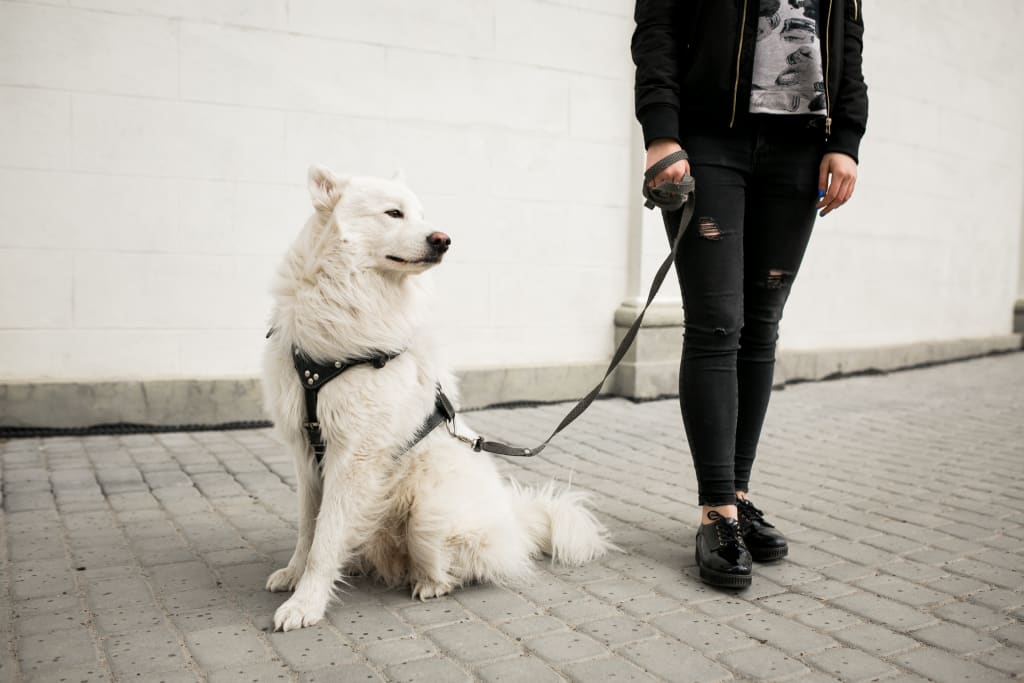
- Harness: Recommended for dogs prone to pulling.
Step-by-Step Guide to Leash Training
Step 1 – Introduce the Leash and Collar
Let your dog wear the leash and collar indoors to get comfortable before taking them outside.
Step 2 – Start Indoors
Practice short walks inside to reduce distractions and help your dog feel secure.
Step 3 – Teach Basic Commands
Introduce commands like "Heel," "Stay," and "Come" to build a strong foundation.
Step 4 – Practice in a Controlled Environment
Use a fenced yard or quiet space to reinforce leash manners before heading to public areas.
Step 5 – Address Pulling Behavior
If your dog pulls, stop walking until they relax. Reward calm behavior.
Step 6 – Take Short Walks Outdoors
Gradually introduce distractions while keeping sessions short and rewarding good behavior.
Step 7 – Consistency and Positive Reinforcement
Use treats and verbal praise to encourage proper leash manners.
Common Leash Training Mistakes to Avoid
- Yanking the leash: This can create fear or aggression.
- Inconsistent commands: Confuses your dog.
- Using punishment instead of rewards: Positive reinforcement works best.
Troubleshooting Leash Training Issues
My Dog Pulls Too Much
Use a no-pull harness and stop walking when your dog pulls.
My Dog is Scared of the Leash
Introduce the leash gradually with treats and reassurance.
My Dog Gets Distracted Easily
Use high-value treats and maintain eye contact to keep focus.
Advanced Leash Training Techniques
- Off-leash training basics: Train in enclosed spaces before venturing out.
- Loose leash walking: Reward your dog for walking beside you without tension on the leash.
Conclusion
Leash training takes time, patience, and consistency, but it’s essential for a happy and stress-free walking experience. By following these steps and avoiding common mistakes, you can train your dog to walk politely on a leash, making walks enjoyable for both of you.
FAQs
How long does leash training take?
It depends on the dog, but most dogs learn within a few weeks with consistent training.
What if my dog refuses to walk on a leash?
Start indoors, use treats, and encourage movement with positive reinforcement.
Is a harness better than a collar?
For dogs that pull, a harness provides better control without choking.
Can I leash train an older dog?
Yes! It may take more patience, but older dogs can learn new habits.
What should I do if my dog constantly pulls?
Stop walking when pulling occurs and reward loose leash walking.
About the Creator
Julia Barnes
Julia Barnes is a passionate dog trainer and the founder of Pet Tame. With years of experience in leash training, obedience coaching, and solving behavioral challenges.
Keep reading
More stories from Julia Barnes and writers in Petlife and other communities.
Understanding Barking Behavior: Why Dogs Bark and How to Manage It
Barking is one of the most common ways dogs communicate. Whether they are excited, anxious, or simply alerting their owners to something unusual, barking plays an essential role in canine behavior. However, excessive or inappropriate barking can become problematic if not managed properly.
By Julia Barnes10 months ago in Petlife
A Dart at Dusk
Seconds ago, the sullen sun set on the two of us… my exuberant furry companion and me. A fresh breeze embraces us, delivering welcome relief from the day’s oppressive heat. His typical stumbling and staggering along — apace with a sloth — has turned into trip-trapping, high-stepping, almost skipping along.
By Angie the Archivist 📚🪶3 days ago in Petlife
Speechless Mohsen
The Loyal Dog: A Lesson in Love and Faithfulness Aamir had grown up living with his grandparents, and his daily routine revolved around family, school, and their small shop. After finishing his classes at school and the local madrasa, he would hurry to his grandfather’s small general store, carrying lunch from home for his uncle. His uncle, a teacher at a nearby school, would take over the shop in the afternoon, while his grandfather went home to rest. By night, his uncle would manage the shop alone
By Sudais Zakwan2 days ago in Petlife


Comments
There are no comments for this story
Be the first to respond and start the conversation.