


A few years ago, I was working at a small, charming farm nestled in the heart of the countryside when I first met Juno. She was a stunning bay mare—her coat shimmering like polished chestnut in the sun—and she had a heart of pure gold. There was something magnetic about her, the way she moved with such grace and strength, and the way she held herself with quiet confidence. She was one of those horses that commanded your attention, whether you wanted it or not. But behind those captivating eyes, there was a story of struggle and resilience, a story that I was only beginning to learn.
Juno had been through a lot in her life. She had a history of injuries, the kind that leaves a mark, not just on the body but on the spirit. Too many falls in her younger days and years of overuse had taken their toll. Her once-strong legs, which had carried her so effortlessly across the fields, were now weakened from the constant strain. By the time she arrived at our farm, she was a shadow of the horse she used to be. She limped on her right hind leg, and after any sort of exercise, she would stiffen up, clearly in discomfort. Her reluctance to run, to stretch her legs in the way she had done before, was heartbreaking. I could see the pain in her eyes—an almost quiet sadness that spoke volumes. And it hurt me to see her like that, unable to perform at her best, unable to be the horse she had once been.
I knew I had to help her. I couldn’t stand to watch her suffer, not when there was a chance to restore her strength, to help her feel whole again. But I had no idea where to start. That’s when I first heard about shockwave therapy machines for horses. At the time, I had never considered this kind of treatment for Juno, but after speaking with our veterinarian and hearing about the success others had seen with the therapy, I felt a flicker of hope. Shockwave therapy uses high-energy sound waves to stimulate the body’s natural healing process, promoting faster recovery and reducing pain. It seemed like exactly what Juno needed—a way to help her heal from the inside out, to give her the chance to recover without invasive procedures or medications.
The first few sessions were tough. Juno was understandably nervous. The machine, with its unfamiliar noise and vibrations, was something new to her. She shied away at first, unsure of what was happening. But with patience, gentle encouragement, and plenty of calm words, she began to settle. The therapy didn’t produce instant results. I didn’t expect miracles overnight. It took time—weeks, in fact. But slowly, surely, I started to see the changes. Juno began to relax. Her movements became less stiff, and that limp in her right hind leg gradually faded. It was like watching a flower slowly open, the tightness in her body giving way to something freer, more fluid. And it wasn’t just the physical changes that struck me—it was the emotional shift in her, too. She was no longer the hesitant mare who held back. The once-doubtful, cautious horse had begun to regain her confidence. I saw it in the way she moved, in the way her eyes lit up with life again. She was becoming the horse I had always known she could be.
But the most remarkable moment came one morning, after one particularly intense therapy session. I had been busy tending to other tasks, but I paused for a moment and turned to watch her in the field. And there she was—galloping. Galloping! I couldn’t believe my eyes. It was a sight I hadn’t seen in months, not since her injuries had started to take their toll. She was running, her legs stretching out in the open air, her mane flying behind her, her body moving freely with pure joy. For a few seconds, I just stood there, frozen, watching her. It was like I was witnessing her soul come alive again. The wave of gratitude that washed over me in that moment was overwhelming. I had seen her at her lowest, and now I was watching her soar.
In Juno’s case, shockwave therapy wasn’t just a treatment—it was a turning point. It wasn’t just about healing her body, though that was important. It was about giving her the chance to do what she loved again. To run, to play, to feel the freedom that comes with movement. It was about restoring not just her physical strength, but her spirit. That’s what struck me the most. This therapy was about bringing her back to life in every sense of the word. It wasn’t just about fixing her pain—it was about restoring the essence of who she was as a horse.
Juno’s story is a testament to the incredible power of modern veterinary care. Shockwave therapy machines for horses gave her a new lease on life. Watching her run across the field with pure joy, her every movement a testament to her recovery, reminded me of why I fell in love with horses in the first place. They are not just animals, not just creatures we care for. They are partners, friends, and beings with their own stories, their own struggles, and their own triumphs. Their strength is extraordinary, but it’s also fragile. And when we have the opportunity to help them, to restore them to their fullest potential, it’s nothing short of miraculous.
If you’re struggling with a horse in pain, one that has lost their spark, I urge you—don’t give up. There are treatments out there that can work wonders, just like shockwave therapy did for Juno. It might take time. It might take patience. But with the right care, with the right support, healing is always possible. And sometimes, it can feel like a miracle when you see them return to the horse they were always meant to be.
Juno taught me more than I ever expected. She taught me that healing is more than just the absence of pain. Healing is about reclaiming your strength, your joy, and your freedom. She taught me that no matter how far a horse might fall, there is always a way back. And that, I believe, is something every horse deserves. We owe it to them to give them that chance—to help them heal, to help them run again.
About the Creator
Sarah Small
I’m absolutely in love with embracing a healthy lifestyle and growing into a better version of myself every single day!
Keep reading
More stories from Sarah Small and writers in Petlife and other communities.
A Golfer’s Journey
I remember the day my back first started aching. It was after a long afternoon on the golf course. My swing felt amazing, each drive slicing through the air with that crisp, satisfying “thwack.” But later that night, I couldn’t stand up straight. The pain was sharp, like a tiny knife twisting in my spine. A part of me felt betrayed by my own body. I thought it would go away on its own if I just slept it off. It didn’t.
By Sarah Smallabout a year ago in Longevity
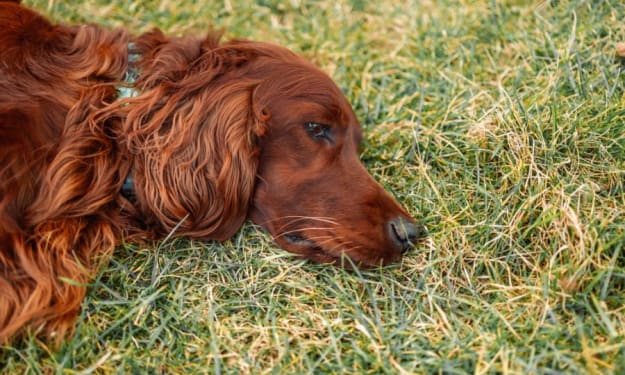
Understanding the Causes, Symptoms, and Treatment Options for Colitis in Dogs
Colitis in dogs is a common gastrointestinal condition that affects the large intestine (colon). When the colon becomes inflamed, it can lead to uncomfortable and sometimes alarming symptoms for your pet.
By Dominion Valley Animal Hospital7 days ago in Petlife
30 Days in a Shelter
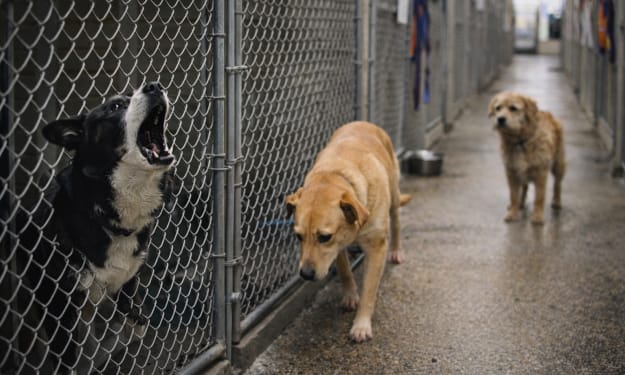
By day 3, the barking changes. The first 48 hours are chaos. Intake processing. New smells. Metallic doors slamming. By day 3, some dogs bark constantly. Others stop almost entirely. One paces the kennel line until the pads on his feet redden. Another stands motionless, eyes half-lidded, ignoring visitors.
By Dr. Mozelle Martin3 days ago in Petlife


Comments
There are no comments for this story
Be the first to respond and start the conversation.