
Is Ocean Fish Cat Food Good for Cats?
Read this blog to know - Is Ocean Fish Cat Food Good for Cats?
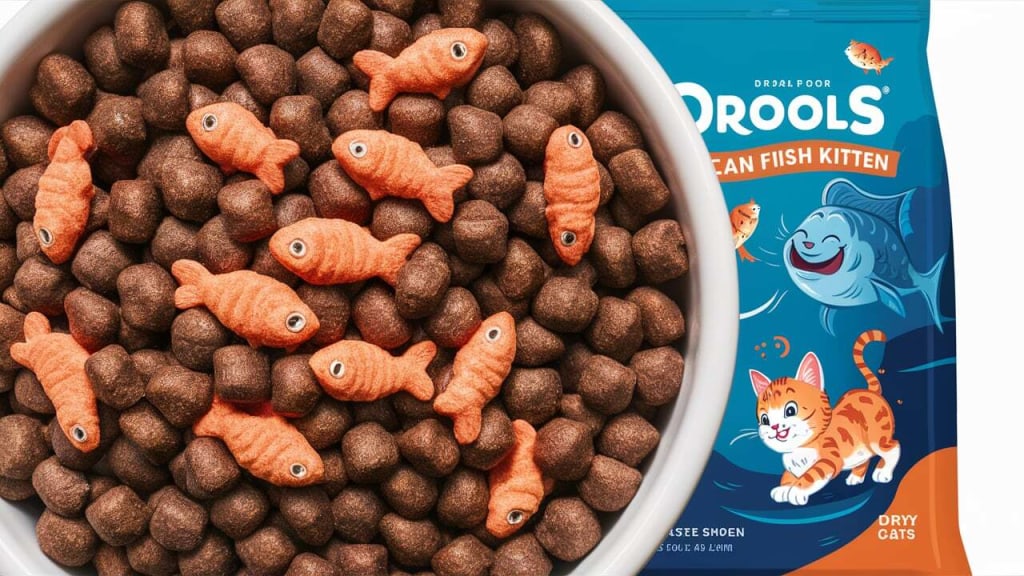
As cat owners, we always strive to provide the best nutrition for our feline companions. With so many options available, ocean fish cat food often stands out. But is it really good for cats? This article will explore the benefits, potential risks, and overall impact of ocean fish cat food on your cat's health.
What Is Ocean Fish Cat Food?
Ocean fish cat food is a type of cat food where the primary protein source comes from fish found in the ocean, such as salmon, tuna, mackerel, and sardines. These foods are often praised for their high protein content and rich nutrient profile, making them a popular choice among cat owners.
Nutritional Benefits of Ocean Fish for Cats
Ocean fish cat food is packed with nutrients that are essential for your cat’s health. The high protein content supports muscle maintenance, while Omega-3 fatty acids help keep your cat’s coat shiny and reduce inflammation. Additionally, ocean fish is a great source of vitamins and minerals, such as vitamin D, B vitamins, and selenium, all of which contribute to overall health.
Types of Ocean Fish Used in Cat Food
Salmon: Known for its rich Omega-3 fatty acid content, salmon is excellent for promoting a healthy coat and skin.
Tuna: A lean fish that is high in protein, but it should be fed in moderation due to concerns about mercury levels.
Mackerel: Provides essential fatty acids and supports heart health.
Sardines: A sustainable option, sardines are rich in calcium and vitamin D.
How Ocean Fish Cat Food Supports Feline Health
Feeding your cat ocean fish cat food can offer several health benefits. Omega-3 fatty acids, found abundantly in fish, are known to improve skin and coat health, promote heart health, and enhance cognitive function, especially in aging cats.
Is Ocean Fish Cat Food Safe for Cats?
While Drools Ocean Fish Kitten Dry Cat Food has many benefits, it's essential to be aware of potential risks. Concerns about mercury and other toxins in fish are valid, so it's important to choose brands that source their fish responsibly and test for contaminants. Additionally, sustainable fishing practices should be considered to minimize environmental impact.
How to Choose the Best Ocean Fish Cat Food
When selecting ocean fish cat food, read the labels carefully. Look for foods that list specific fish sources and avoid those with fillers or artificial additives. Grain-free options are often better suited for a cat’s natural diet. It's also wise to choose brands with a reputation for quality and sustainability.
Common Myths About Ocean Fish Cat Food
Myth: Ocean fish cat food causes urinary issues. There is no solid evidence to support this claim. Ensuring your cat is well-hydrated is more important.
Myth: All fish-based foods are equally healthy. Not all fish are the same; some may contain higher levels of toxins, making it crucial to choose wisely.
How to Transition Your Cat to Ocean Fish Cat Food
Switching your cat’s diet to ocean fish cat food should be done gradually. Start by mixing a small amount of the new food with their current food, slowly increasing the proportion over time. This helps prevent digestive issues and allows your cat to adjust to the new flavor and texture.
Homemade Ocean Fish Cat Food: Is It a Good Idea?
While making homemade ocean fish cat food may seem appealing, it’s not without risks. Creating a balanced diet that meets all of your cat’s nutritional needs is challenging, and it’s easy to overlook essential nutrients. If you decide to go this route, consult with a veterinarian to ensure your cat’s diet is complete and balanced.
How Often Should Cats Eat Ocean Fish Cat Food?
Ocean fish cat food can be part of your cat’s regular diet, but moderation is key. Feeding too much fish can lead to nutrient imbalances or potential exposure to toxins like mercury. It’s best to provide a variety of protein sources to ensure a balanced diet.
Ocean Fish Cat Food for Cats with Special Needs
For cats with specific health needs, such as allergies or sensitivities, ocean fish cat food can be beneficial. Fish is often less likely to cause allergic reactions compared to other protein sources. Additionally, the anti-inflammatory properties of Omega-3s can be especially beneficial for senior cats.
Environmental Impact of Ocean Fish Cat Food
Sustainability is an important consideration when choosing ocean fish cat food. Overfishing and environmental degradation are significant concerns, so opting for brands that prioritize sustainable fishing practices is a responsible choice. Supporting eco-friendly options helps minimize the environmental impact of feeding your cat.
Cost vs. Quality: Is It Worth the Investment?
While ocean fish cat food can be more expensive than other options, the benefits often justify the cost. High-quality ingredients lead to better health outcomes, which can save on vet bills in the long run. However, budget-friendly options that still prioritize quality are available, making it easier to find a suitable choice.
Conclusion
Ocean fish cat food offers many benefits, from promoting a healthy coat to supporting heart health. However, it’s important to choose high-quality products and feed them in moderation. By being mindful of the sources and ingredients, you can ensure that your cat enjoys the nutritional benefits without compromising safety or sustainability.
FAQs
Is ocean fish cat food suitable for kittens?
Yes, but make sure it meets the nutritional needs specific to kittens, including higher protein and calorie content.
Can ocean fish cat food cause allergies in cats?
While rare, some cats may be allergic to certain fish. Monitor for any signs of allergies and consult your vet if necessary.
How do I store ocean fish cat food?
Store in a cool, dry place and seal the packaging tightly to maintain freshness.
Is it okay to feed my cat only ocean fish cat food?
A varied diet is recommended. While ocean fish can be a staple, include other protein sources for a balanced diet.
What should I do if my cat dislikes ocean fish cat food?
Try mixing it with their favorite food or gradually introducing it. If they still refuse, consider another protein source.
About the Creator
Keep reading
More stories from Pawsand paws and writers in Petlife and other communities.
How to Use Virbac Ostopet Calcium Liquid Supplement for Dogs?
Ensuring your dog’s bone health is crucial to their overall well-being, and calcium plays a significant role in this. Virbac Ostopet Calcium Liquid Supplement is designed to provide essential nutrients that support healthy bones and joints in dogs. In this guide, we’ll cover everything you need to know about using this supplement effectively.
By Pawsand paws2 years ago in Petlife
Authenticity and Presence: What Animals Can Teach Actors About Emotional Truth
Actors spend years searching for authenticity. Acting schools teach technique, rehearsal methods focus on emotional preparation, and directors guide performers toward believable moments on screen. Yet sometimes the most meaningful lessons about authenticity come from unexpected places.
By Andreas Szakacsabout 17 hours ago in Petlife
Pandora’s Burden
“My brother warned me to not accept gifts from the one who commissioned you,” said Epimetheus to the woman clad in silvery raiments standing at the entrance to the temple. Her silver tiara and the silver rings on her fingers and toes glinted in the firelight cast by torches set on either side of the doorway. Lingering in the shadows, beyond the reach of the flames as she was, he could not tell what she held in her hands. At first what appeared to be a box was perhaps a funerary urn, or maybe merely an apple.
By J. Otis Haasa day ago in Fiction


Comments
There are no comments for this story
Be the first to respond and start the conversation.