
I know that pets are adorable and kids love to play with them - but they can have a very negative impact on our children.
Understanding the hidden dangers of pets in the home and how to keep your kids safe

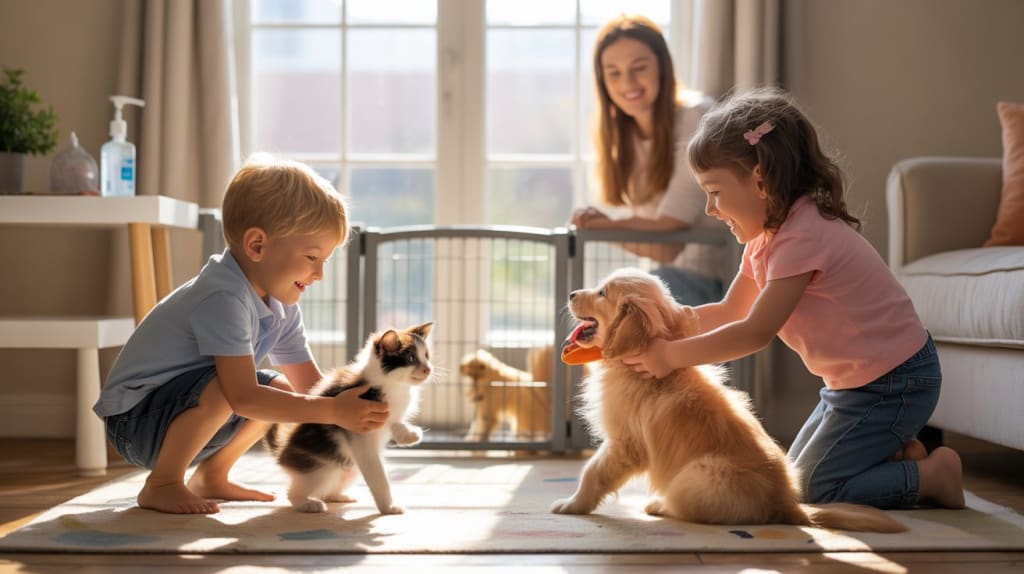
As a parent and pet lover, I'm always torn between two truths: Animals are wonderful companions, and yet, they can inadvertently pose a health risk to young children. Like most families, when we brought our adorable kitten, Simba, and later a playful puppy named Leo, into our home, it brought a new kind of joy. The kids were thrilled. They ran, laughed, and cuddled with the pets from morning to night.
But very soon, I started to notice that something was wrong. My youngest daughter, Amina, who had always been healthy, began sneezing frequently. Her eyes would water, and she would complain of an itchy nose. At first, I thought it was seasonal allergies or dust. But when the symptoms persisted for weeks, we took him to the pediatrician. After a few tests, the diagnosis was clear - pet allergies.
That was the moment I realized how important it is not only to enjoy pets in the home, but also to understand the potential hidden dangers they can bring to our children. Many parents don't realize this until it's too late.
Here's what I've learned from my real-life experience, and what every family should know:
1. Allergies are more common than you think:
Animal fur, dander (small pieces of skin), saliva, and even dried urine can trigger allergies in children, especially those with sensitive immune systems. Symptoms can range from mild sneezing to severe asthma. My daughter's reaction was mild, but some children can develop chest tightness, difficulty breathing, or a chronic cough - all due to their constant contact with pets.
If your child is coughing more than usual, has a rash, or watery eyes, don't ignore it. This could be the beginning of a pet allergy.
2. Pets can spread germs and parasites:
Even clean, healthy pets can carry bacteria and parasites that don't affect adults but can harm children. Our dog, Leo, once brought in ticks from the garden. These parasites can carry diseases like Lyme disease or cause skin irritation.
Cats can carry toxoplasmosis in their litter boxes, which is especially dangerous for young children or pregnant women. Puppies and kittens can also carry roundworms or hookworms if they are not dewormed regularly. These parasites live in pet waste and can easily enter a child’s system through touch or dirty hands.
Children are naturally close to pets – they touch, hug, kiss and sometimes forget to wash their hands. This increases the chance of infection if proper hygiene is not maintained.
3. Behavioral risks: Pets are not always predictable:
One day my older son Hassan tried to hug Simba tightly. Simba, although usually gentle, got scared and scratched his face. It wasn’t serious, but it reminded me that pets, even kind ones, can react unexpectedly when scared or upset.
Young children don’t always understand pet behavior. They may pull ears, step on the tail, or hug too tightly. A dog or cat may bite or scratch if they feel threatened or in pain. This can cause physical injuries and emotional fear in the child.
4. Emotional Dependency and Attachment Issues:
Children can become overly attached to their pets, which is not always healthy. When a pet dies or is lost, it can cause deep emotional trauma. A child’s grief is very real, and it is important for parents to guide them through such experiences with support and honesty.
My nephew, who was six years old, stopped eating properly for several days after his parrot died. This showed me that the emotional impact of pet loss can be profound, especially for children who treat their pets like their best friends.
So, what can you do as a parent?
I didn’t want to remove my pets from the house – and I didn’t have to. Instead, Simba and Leo made some changes to create a safe environment for our children, without losing the joy they brought to our lives.
Here are the steps we took:
✅ Allergy testing: We had our children tested for pet allergies. Once we knew who was sensitive, we created pet-free zones in the house (like bedrooms) and kept windows open frequently.
✅ Regular pet care: We started brushing our pets outside daily and giving them regular baths. This reduced dryness and shedding indoors.
✅ Hand washing habits: We trained the children to always wash their hands after touching pets - especially before eating or touching their faces.
✅ Vaccinations and deworming: We kept up to date with all vaccinations, flea treatments, and deworming for both Simba and Leo.
✅ Training pets and children together: We taught our children how to read animal body language — for example, when a cat wags its tail or when a dog meows softly. They also learned not to disturb pets when they are sleeping or eating.
✅ Dispose of litter and waste safely: We kept the litter box in a separate place and kept it very clean. Only adults handled it with gloves. We also made sure that pet poop in the garden was picked up daily.
Now, years later, our home is safe and happy. With regular care, Amina's symptoms have decreased, Hassan has learned to respect Simba's space, and Leo is also more gentle with children.
Having a pet at home is still one of the greatest joys for our family — but now I understand that love is not enough. Awareness and safety are just as important.
Final Thoughts: Yes, pets are adorable. They teach children compassion, responsibility, and love. But they also come with risks that should be taken seriously. If you're a pet parent, don't wait for a problem to appear. Be proactive.
Health, hygiene, and boundaries should be taught early on—not just to pets, but to children as well. With the right balance, you can create a home where both your children and your pets grow up happy, safe, and healthy together.
Write for this too.
About the Creator
Echoes of Life
I’m a storyteller and lifelong learner who writes about history, human experiences, animals, and motivational lessons that spark change. Through true stories, thoughtful advice, and reflections on life.
Keep reading
More stories from Echoes of Life and writers in Petlife and other communities.
I know that pets are adorable and kids love to play with them - but they can have a very negative impact on our children.
As a parent and pet lover, I'm always torn between two truths: Animals are wonderful companions, and yet, they can inadvertently pose a health risk to young children. Like most families, when we brought our adorable kitten, Simba, and later a playful puppy named Leo, into our home, it brought a new kind of joy. The kids were thrilled. They ran, laughed, and cuddled with the pets from morning to night.
By Echoes of Life7 months ago in Petlife
Keeping your pets safe (and calm) this holiday season
The holiday season may be magical for some humans, but for pets it only means confusion, changed routines, overstimulation, extra noise, guests or pet sitters come and go, and sometimes the festive season means danger for pets.
By Susan Fourtané 16 days ago in Petlife
The Royal Cat Who Feared Bananas: A Tale of Oddities and Royalty
In the quaint little house on Maple Street, where the neighbors would wave as they walked their dogs, lived a cat who was, without a doubt, the strangest of all the felines in the neighborhood. Her name was Duchess Whiskers, and she was convinced that she was royalty. But despite her airs of elegance and refinement, she had one significant problem that threatened to ruin her majestic facade: she was absolutely terrified of bananas.
By Ahmed aldeabella3 days ago in Petlife



Comments
There are no comments for this story
Be the first to respond and start the conversation.