
Human Foods Dogs Should Never Eat
Protecting Your Pup: A Guide to Harmful Foods to Keep Away from Dogs


Dogs are beloved members of our families, and it’s natural to want to share the joys of our meals with them. However, not all human foods are safe for dogs. Some can cause mild discomfort, while others can lead to severe health issues or even prove fatal. This blog will cover common human foods that dogs should never eat and explain why they can be dangerous.
1. Chocolate

One of the most well-known toxic foods for dogs is chocolate. It contains theobromine and caffeine, substances that dogs cannot metabolize effectively. The darker the chocolate, the higher the concentration of theobromine, making it even more hazardous. Symptoms of chocolate poisoning include vomiting, diarrhea, rapid breathing, increased heart rate, and seizures. In severe cases, it can be fatal. Always keep chocolate out of reach and educate everyone in the household about its dangers.
2. Grapes and Raisins

While they might seem like harmless, healthy snacks, grapes and raisins are highly toxic to dogs. Even small amounts can lead to kidney failure. Symptoms include vomiting, lethargy, and a decrease in urination. The exact substance causing this toxicity is still unknown, but the risks are significant. It’s crucial to avoid giving your dog these fruits or foods that contain them.
3. Onions and Garlic

Onions and garlic, whether raw, cooked, or powdered, can damage a dog’s red blood cells, leading to anemia. Symptoms may not appear immediately but can include weakness, pale gums, and an increased heart rate. Garlic is particularly potent and can cause more severe issues in smaller quantities. Many processed foods and seasonings contain onion or garlic powder, so always read labels carefully before offering scraps to your dog.
4. Xylitol (Artificial Sweetener)

Xylitol is a sugar substitute commonly found in sugar-free gum, candies, baked goods, and some peanut butters. For dogs, even a small amount can cause a dangerous drop in blood sugar levels (hypoglycemia), leading to symptoms like vomiting, lethargy, and loss of coordination. In severe cases, xylitol can cause liver failure and be life-threatening. Always check ingredient lists before sharing human treats with your furry friend.
5. Alcohol
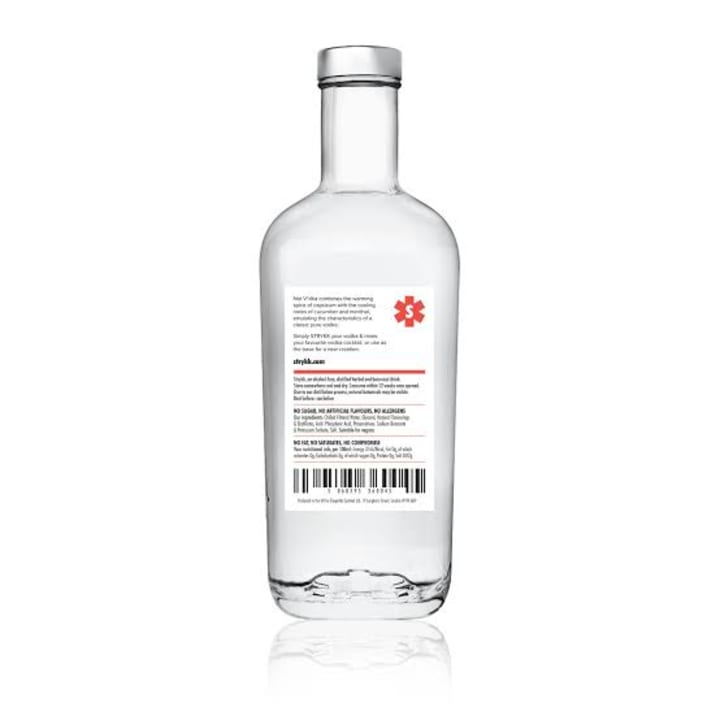
Alcohol can have severe effects on a dog’s central nervous system and liver. Even small amounts, whether from beverages, syrups, or uncooked dough containing yeast, can lead to vomiting, diarrhea, difficulty breathing, tremors, and potentially a coma. Never leave alcoholic beverages unattended where dogs can access them, and be cautious with foods cooked in alcohol.
6. Avocado

While avocado has health benefits for humans, it’s not safe for dogs. Avocado contains persin, a fungicidal toxin that can cause vomiting and diarrhea in dogs. Additionally, the large pit poses a choking hazard and can cause intestinal blockages if ingested. Keep guacamole and avocados far from your dog’s reach.
7. Macadamia Nuts

Macadamia nuts are highly toxic to dogs and can cause weakness, vomiting, tremors, and hyperthermia. Symptoms typically appear within 12 hours of ingestion and can last up to 48 hours. The exact cause of this toxicity is unknown, but even small amounts can have serious effects. Avoid giving your dog cookies or treats that contain these nuts.
8. Fatty and Fried Foods

Foods high in fat, such as bacon, sausage, and fried items, can cause pancreatitis in dogs, an inflammation of the pancreas that leads to severe abdominal pain and digestive issues. Symptoms include vomiting, diarrhea, and lethargy. Long-term consumption of fatty foods can also contribute to obesity and other health problems in dogs.
9. Caffeine

Caffeinated drinks like coffee, tea, energy drinks, and even caffeine-infused snacks can be dangerous for dogs. Caffeine affects a dog’s heart and nervous system, leading to restlessness, rapid breathing, muscle tremors, and in severe cases, death. Always keep caffeinated products out of your dog’s reach.
10. Raw Dough and Yeast

Unbaked dough containing yeast can be harmful to dogs. When ingested, the dough expands in their stomach, causing bloating and discomfort. Additionally, the fermentation process produces alcohol, which can lead to alcohol poisoning. If your dog consumes raw dough, contact your veterinarian immediately.
11. Dairy Products

While not toxic, many dogs are lactose intolerant and cannot properly digest dairy products like milk, cheese, and ice cream. Consuming these foods can lead to bloating, diarrhea, and stomach discomfort. Opt for dog-friendly treats instead if you want to indulge your pup.
12. Salt and Salty Snacks

Excessive salt intake can lead to sodium ion poisoning in dogs. Symptoms include vomiting, diarrhea, tremors, and seizures. Foods like chips, pretzels, and salted nuts are best avoided. Always ensure your dog has access to fresh water, especially after consuming anything salty.
How to Protect Your Dog
Store Food Safely: Keep harmful foods out of your dog’s reach by storing them in secure cabinets or on high shelves.
Educate Family Members and Guests: Ensure everyone in the household knows which foods are dangerous for dogs.
Stick to Dog-Friendly Foods: Opt for treats specifically made for dogs and consult your veterinarian about safe options.
Know the Emergency Signs: Familiarize yourself with symptoms of poisoning, such as vomiting, lethargy, tremors, or unusual behavior, and contact a vet immediately if you suspect your dog has eaten something harmful.
Conclusion
Our furry friends rely on us to keep them safe, and understanding which human foods are dangerous for dogs is essential for their health and well-being. While it’s tempting to share your snacks with your pup, remember that some foods can do more harm than good. By staying informed and cautious, you can ensure your dog leads a happy, healthy life by your side.
About the Creator
Keep reading
More stories from INFO INSIDER and writers in Petlife and other communities.
Animals That Can Sleep While Standing
In the animal kingdom, sleep is essential for health and survival, but not all creatures follow the same sleep patterns as humans. While most of us need a comfy bed to rest, some animals have evolved to sleep while standing up, allowing them to remain alert and ready to flee from predators at a moment’s notice. These animals have developed unique adaptations that enable them to rest without collapsing to the ground. Let's dive into the fascinating world of animals that can sleep while standing.
By INFO INSIDER about a year ago in Petlife
30 Days in a Shelter
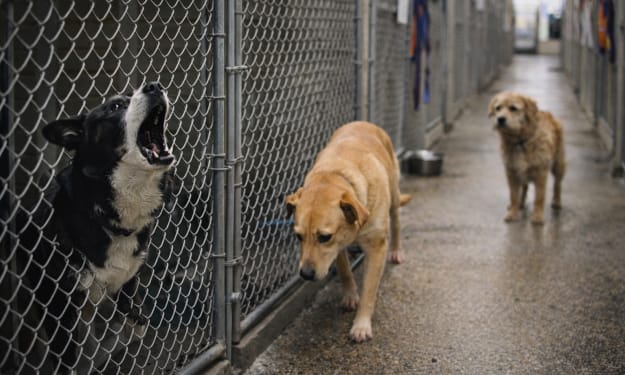
By day 3, the barking changes. The first 48 hours are chaos. Intake processing. New smells. Metallic doors slamming. By day 3, some dogs bark constantly. Others stop almost entirely. One paces the kennel line until the pads on his feet redden. Another stands motionless, eyes half-lidded, ignoring visitors.
By Dr. Mozelle Martin4 days ago in Petlife



Comments
There are no comments for this story
Be the first to respond and start the conversation.