
How To Train Your Puppy
Indoor Easily and Effective
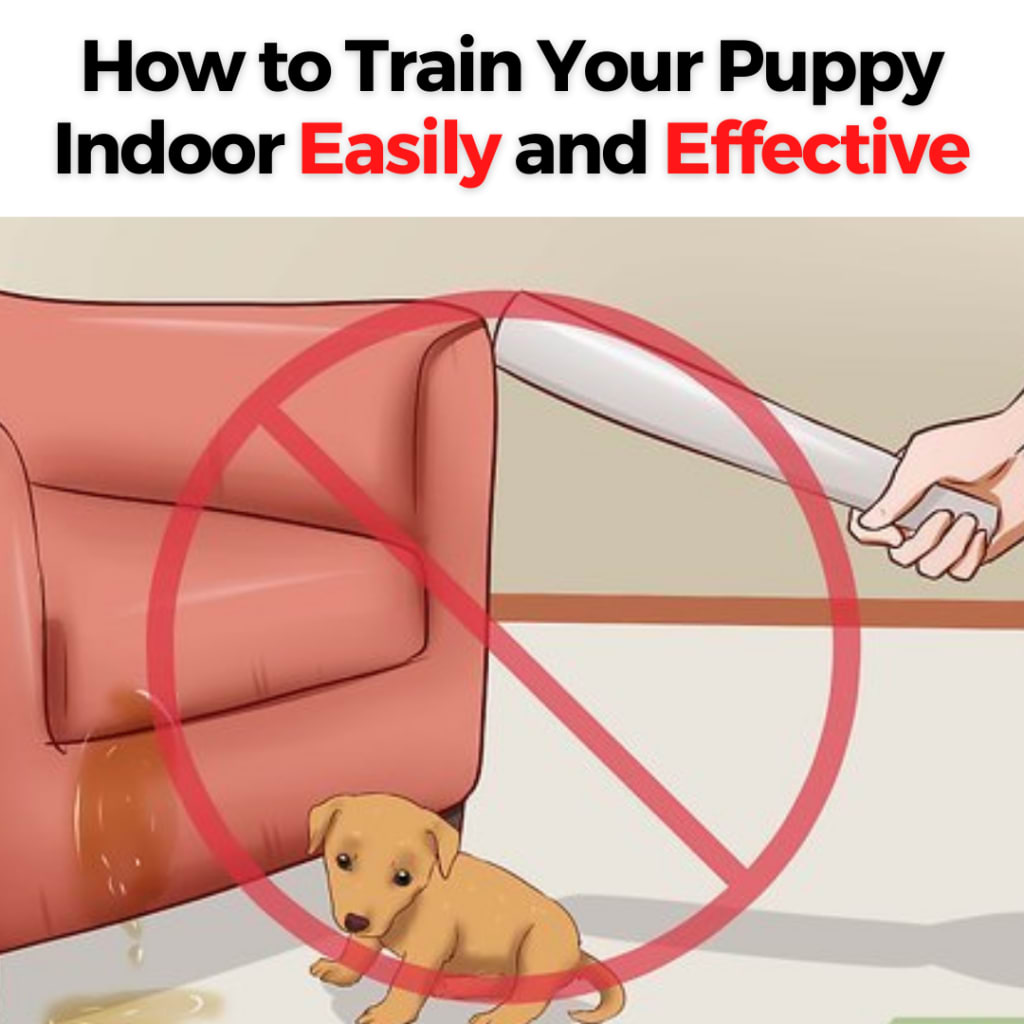
Are you thinking of getting a puppy, or do you already have one? If so, you may be wondering how to train them properly. Training your puppy doesn’t have to be a difficult process, but it does take patience and consistency. In this blog post, we’ll cover the do’s and don’ts of puppy training to help you raise a well-mannered, obedient pup.
1. Do socialize your puppy early
Socializing your puppy from a young age is an important part of ensuring your pet grows up to be a well-rounded and confident companion. Socializing your puppy allows them to become comfortable around different people, animals, and environments. This helps create a trusting bond between you and your puppy, as well as preventing potential behavior problems in the future.
It’s important to start socializing your puppy as soon as possible. The ideal age to begin is between 7 and 12 weeks old, as this is when puppies are most receptive to new experiences and more likely to learn quickly. Before bringing them out into the real world, however, make sure all their vaccinations are up to date.
When socializing your puppy, it’s important to keep the experience positive and enjoyable. Start by exposing your pup to simple stimuli, such as other people, animals, objects, noises, and environments. Allow them time to explore each new element at their own pace so they can grow comfortable with it. During this process, offer plenty of treats and praise when your pup demonstrates desired behaviors.
As your puppy matures and grows more accustomed to its environment, it’s important to continue their socialization through exposure to increasingly complex stimuli. This helps ensure that your pup continues to learn and grow in confidence throughout their life.
2. Do get professional help if needed
Training your puppy can be a difficult and time-consuming task. Even if you are an experienced dog owner, you may find that you need help with certain aspects of puppy training. It’s perfectly acceptable to get professional help if needed. Professional trainers can offer guidance and advice on how to best train your pup, as well as tips on what techniques are most effective. They can also provide instruction on how to prevent problem behaviors from developing and teach your puppy how to interact safely and effectively with other animals and people.
When choosing a trainer, look for someone who uses humane, reward-based methods. If you’re not sure where to start, consider asking around at your local pet store or veterinarian's office for recommendations. Training classes are also a great way to learn the basics and get your pup accustomed to new experiences. Be sure to research the available options and choose the one that best fits your pup’s needs and personality.
3. Do be consistent
Consistency is key when it comes to training your puppy. Having consistent rules and routines will help ensure that your puppy learns the behaviors you want him to know. This means having consistent expectations for him throughout the day, like not jumping on visitors, sticking to a potty-training schedule, and following your commands. Consistency also means rewarding and praising your puppy for good behavior and providing correction in the same way each time he does something wrong. Being consistent will help your puppy understand what is expected of him, so stick to what you’ve decided and remain patient.
4. Do use positive reinforcement
Positive reinforcement is one of the most effective methods of training puppies. Positive reinforcement works by rewarding desired behaviors, such as sitting or coming when called, with treats, praise, or other rewards. This helps puppies to understand what behaviors are acceptable and encourages them to repeat these behaviors. For example, if your puppy comes when called, you can reward him with a treat and lots of praise. By providing positive reinforcement for desired behaviors, you are creating an environment where it is more likely that your puppy will continue to behave in the same way.
When using positive reinforcement, it is important to be consistent and timely. Timing is key – make sure to reward desired behavior immediately after it has occurred so that your puppy understands what it is being rewarded for. It is also important to be consistent – if you do not consistently reward the same behaviors each time they are performed, your puppy may become confused and stop responding to positive reinforcement.
If you use positive reinforcement effectively, you will be able to train your puppy quickly and effectively. With a little practice, you can successfully use positive reinforcement to teach your puppy a variety of behaviors.
5. Don't punish your puppy
Punishment is not an effective way to train a puppy. It can cause your puppy to become anxious, fearful, and aggressive. If your puppy does something wrong, try to redirect their behavior rather than punishing them. If you scold or shout at your puppy for something they’ve done wrong, this will only make them scared of you and less likely to do what you want them to do. Instead, use positive reinforcement techniques such as treats, toys, praise, or a pat on the head when your pup does something right. By rewarding them with these things, your puppy will learn to associate good behavior with rewards, and eventually they’ll learn what you expect from them.
6. Don't give up
When training your puppy, it can be difficult and time consuming. It can be easy to become discouraged or frustrated with the lack of progress. If you are feeling this way, take a break, clear your head and come back to the task at hand. It is important to remember that puppies learn at their own pace, so be patient and don't give up. You may need to adjust your approach or go back to the basics if you feel like things are not progressing. The most important thing is to not lose sight of the goal, which is to have a well-trained and happy puppy.
It is also important to recognize that some things may not work as you planned or expected. That is okay! Do not be discouraged by setbacks. Instead, use them as an opportunity to reflect and come up with a new approach that may work better. You are ultimately responsible for your puppy's training, so try not to rely too heavily on professional help and stay persistent in your efforts. With patience and persistence, you can have a well-trained and happy pup in no time!
7. Don't get a puppy if you're not ready
Getting a puppy can be an exciting and rewarding experience, but it is not one to be taken lightly. Before you decide to bring a puppy into your life, it's important to make sure you are ready for the commitment.
If you are planning to get a puppy, make sure that you are able to make the necessary time commitments. Puppies require a lot of attention and training, so you need to make sure you have enough time to devote to them. Additionally, you'll need to be prepared for the financial commitments that come with having a puppy, such as food, vet bills, toys, and other supplies.
You should also consider how well your lifestyle fits with having a puppy. If you travel frequently or work long hours, it may not be the best fit. If you already have other pets in your home, they must be comfortable with a new addition. Furthermore, if you rent, it's important to check if your landlord allows pets on the premises.
Most importantly, it is essential that you are emotionally ready for the responsibility of a puppy. Bringing a puppy into your life is a big commitment and should not be taken lightly. Having a puppy means making decisions about their health and well-being for years to come and providing them with unconditional love and companionship.
If you are prepared for the physical and emotional responsibility of owning a puppy, then by all means go for it! However, if you’re not ready for this big of a commitment just yet, don’t hesitate to wait until the time is right.
If you want to learn my #1 way to train a puppy click here now.
About the Creator
Keep reading
More stories from writers in Petlife and other communities.
A Dart at Dusk
Seconds ago, the sullen sun set on the two of us… my exuberant furry companion and me. A fresh breeze embraces us, delivering welcome relief from the day’s oppressive heat. His typical stumbling and staggering along — apace with a sloth — has turned into trip-trapping, high-stepping, almost skipping along.
By Angie the Archivist 📚🪶3 days ago in Petlife
Your Puppy Can Feel Your Stress Instantly
The Incredible Science Behind How Puppies Sense Your Emotions and React Before You Even Realize It --- You walk into the room, shoulders slumped, jaw tight, heart racing from a stressful day. Before you even speak, your puppy is there—tail tucked, eyes alert, nose nudging your hand. Almost magically, they know something is wrong.
By Ahmed aldeabellaabout 9 hours ago in Petlife
"Hear Me Out"
"Hear me out, what if we ran away together?" "Where do you want to go?" "Anywhere but here. We could move to a new city or to Canada, or we could disappear from society to live in the middle of the woods. Maybe a combination of two of those things would be good. What do you say?"
By Kay Husnick8 days ago in Fiction



Comments
There are no comments for this story
Be the first to respond and start the conversation.