
How to train a dog not to eat cat litter
Dogs' fascination with cat litter is both puzzling and frustrating for pet owners. Driven by powerful instincts and curiosity, dogs are often drawn to the strong smells of cat feces and the litter itself. While this behavior might seem harmless, it can lead to serious health risks, including gastrointestinal issues and parasite exposure. In this article, we’ll explore the reasons behind dogs eating cat litter, the dangers involved, and practical strategies to prevent this behavior. With some creativity, training, and proactive management, you can keep your dog safe and your litter box off-limits!

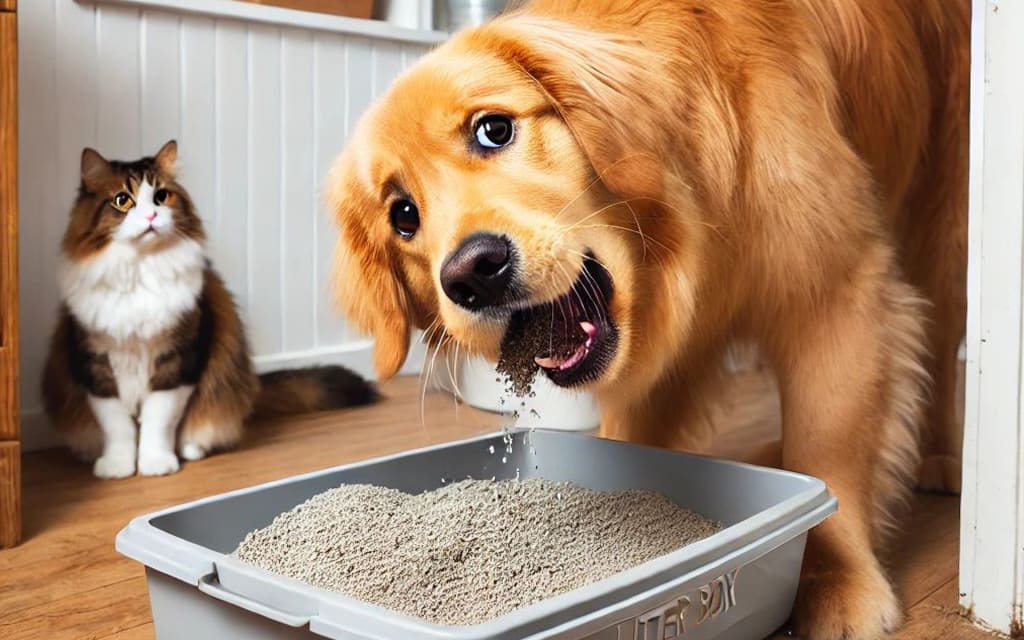
Why Dogs Eat Cat Litter - The Truth Behind This Odd Habit and How to Stop It
Anyone who shares their home with both a dog and a cat has probably been there. You walk into the room, and there it is—the unmistakable sign that your dog has gotten too close to the cat’s litter box. Whether it’s a guilty look on their face or, worse, cat poop stuck in their teeth, it’s a discovery most pet owners dread. But what is it about cat litter that makes it so tempting to dogs? Is it just a strange habit, or is there something more going on?
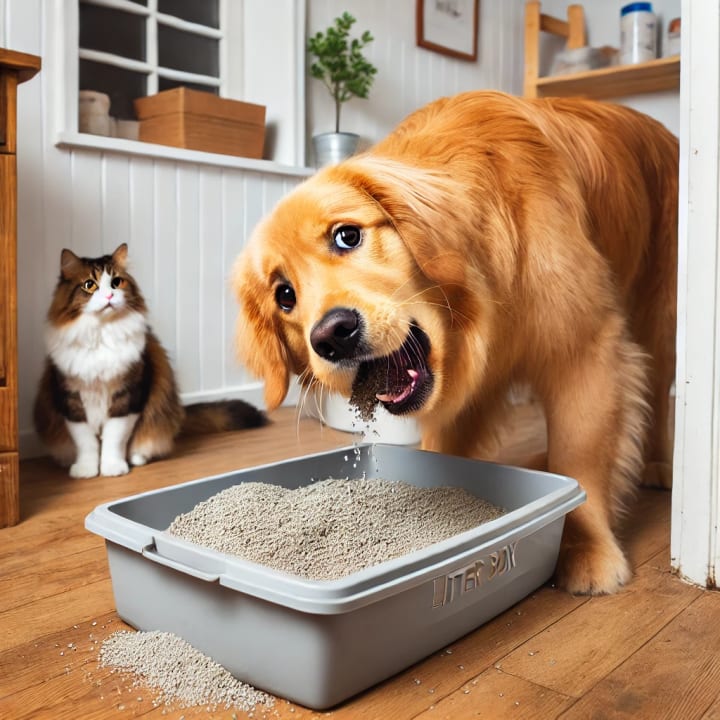
In this article, we’ll dive into why dogs eat cat litter, the potential risks involved, and most importantly, how you can stop this behavior once and for all.
Why Would a Dog Eat Cat Litter?
To understand this behavior, you first need to think about the world from your dog’s perspective. Dogs are extremely scent-driven creatures. In fact, their sense of smell is 10,000 to 100,000 times more powerful than ours! Imagine walking into a room full of smells you can’t even begin to comprehend—scents like food, objects, and even emotions—and then being introduced to something as potent as cat litter. It’s like the world’s greatest mystery.

Dogs, like scavengers in the wild, are instinctively drawn to anything that smells interesting, and a litter box is basically a jackpot of smells. From cat feces to urine to the various types of litter, everything inside is a new world for your dog to explore. This natural curiosity is why your dog might be attracted to the litter box in the first place. They’re not necessarily after the litter itself but are likely after the remnants of the cat’s mess.
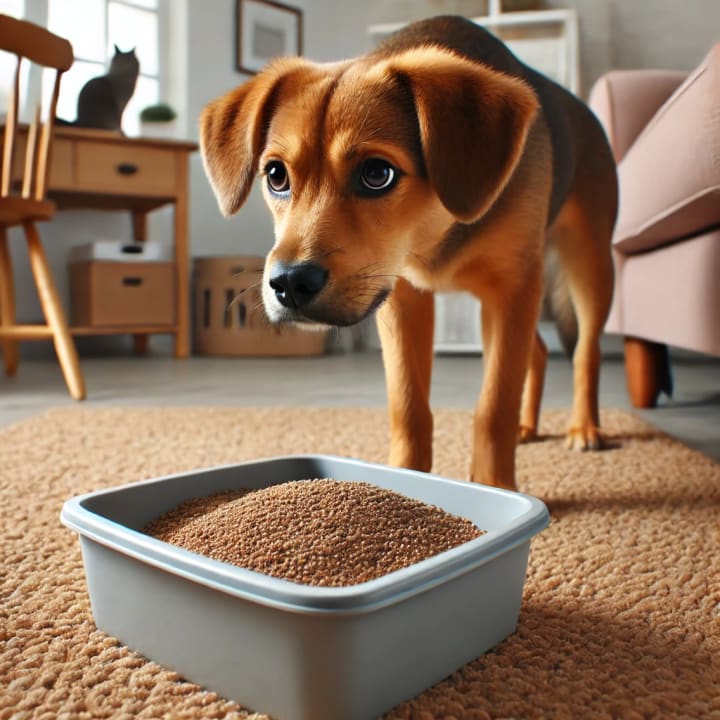
But, let’s not sugarcoat it: sometimes, it’s just because they like the taste. Yes, dogs eating cat poop is unfortunately a thing. It’s a behavior known as coprophagia, and while it’s gross to us, some dogs just can’t resist the allure of feces, whether it’s their own or another animal’s.
Is Eating Cat Litter Dangerous for My Dog?
Now, you might be wondering: can eating cat litter harm my dog? The short answer is, yes, but it depends on the type and the amount consumed. Most cat litters are made from materials like clay, corn, or recycled paper. In small amounts, these aren’t typically toxic, but they can cause gastrointestinal distress, including vomiting, diarrhea, and potentially even a blockage if ingested in larger quantities.
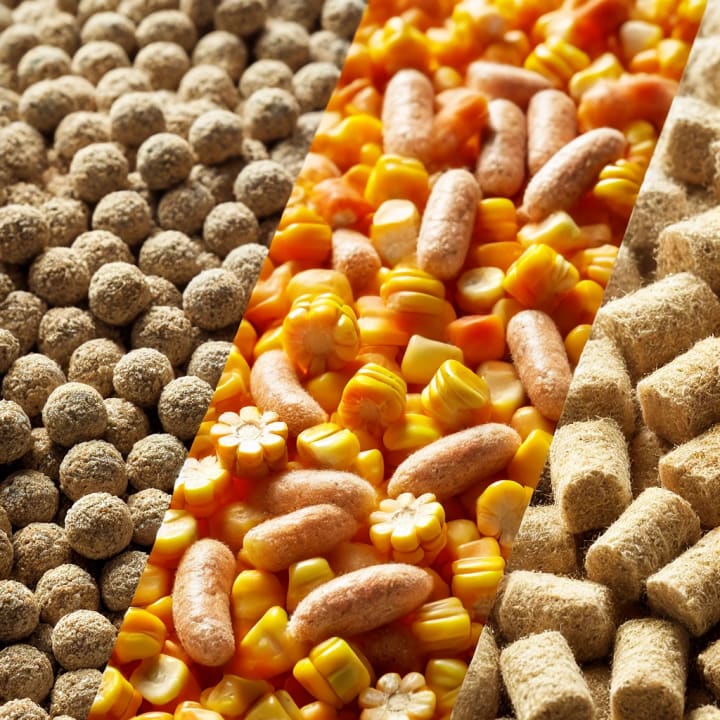
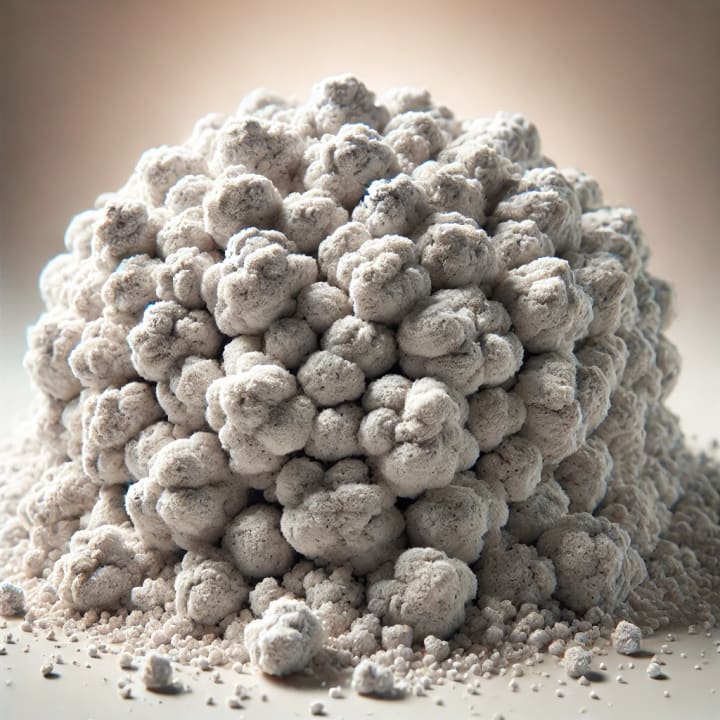
For example, clumping litters are made with ingredients like sodium bentonite, which binds to moisture in the cat’s urine and forms clumps. While this ingredient isn’t usually toxic, it can cause problems if ingested in significant amounts. In severe cases, the litter can form a mass inside your dog’s intestines, leading to a condition called obstructive bowel disease. This could require surgery to remove the blockage, which is obviously not something you want to deal with.
The risk doesn’t end there. If your dog eats cat feces, they could be exposed to parasites like roundworms, hookworms, or tapeworms. This is especially concerning if your cat hasn’t been regularly dewormed or if they spend time outdoors where they could pick up parasites from other animals. These parasites can transfer from the cat’s stool to your dog’s mouth, leading to health issues for your dog and even potentially affecting humans in the household.
Free e-book you will learn how to play “The Airplane Game” designed to improve your dog’s ability to pay attention to you despite distractions, click HERE
So, while some dogs may eat cat litter with minimal side effects, there are risks involved that should not be ignored.
Why Do Some Dogs Eat Cat Litter in the First Place?
There are a few different factors that can make a dog more likely to snack on cat litter. Understanding these can help you address the behavior more effectively.
1. Nutritional Deficiency (or Just Boredom)

Believe it or not, one reason some dogs might eat cat litter is because they’re lacking something in their diet. If your dog isn’t getting enough nutrients, they may try to find other sources of food, even if that means raiding the litter box. It’s important to ensure your dog is getting a balanced, high-quality diet. If they’re fed table scraps or food that isn’t designed for their nutritional needs, they might turn to alternative—and disgusting—sources of food.
2. Pica

Pica is a condition where animals, including dogs, compulsively eat non-food items. This can include anything from dirt to socks to cat litter. Some dog breeds are more prone to pica than others. For example, terriers, which were originally bred for hunting, might engage in this behavior due to their strong instincts to explore and chew on things. Labrador Retrievers, known for their “mouthy” nature, are also more likely to eat things that aren’t food.
3. Instincts from the Wild
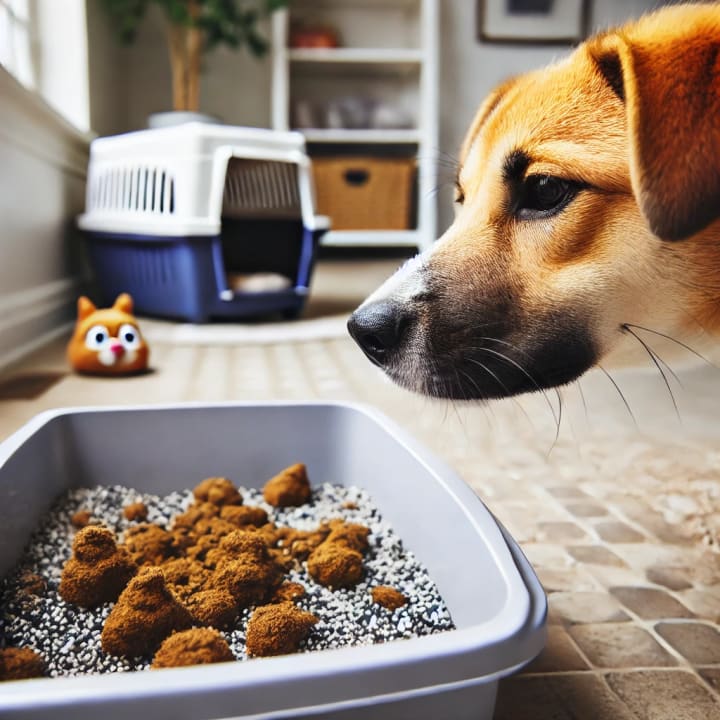
In the wild, dogs are opportunistic scavengers. If they come across feces from another animal, they might eat it because it provides a source of protein. To a dog, cat litter mixed with feces can seem like an easy (and disgusting) way to get extra nutrition. This behavior, while gross, can be traced back to their wild ancestors.
Symptoms and Risks of Eating Cat Litter
Eating cat litter isn’t just a gross habit; it can have serious health consequences. If you notice your dog sneaking into the litter box, keep an eye out for any signs of distress.
Common symptoms that your dog might have ingested something harmful include:
1. Vomiting: If your dog eats a large amount of litter or feces, they may vomit to get rid of it.
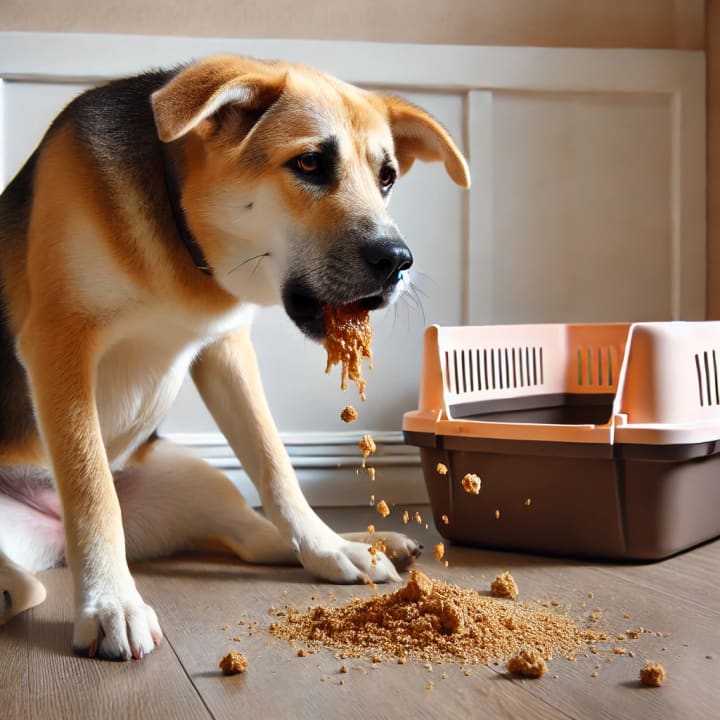
2. Diarrhea or Constipation: The body might struggle to process non-food items, resulting in loose stools or, conversely, a blockage.
3. Abdominal Pain: Your dog might appear to be in discomfort, licking their stomach or acting restless.

4. Loss of Appetite: If your dog is feeling unwell due to ingested litter, they might not want to eat their regular food.
If you notice any of these signs, it’s crucial to take your dog to the vet as soon as possible. In severe cases, they may require surgery to remove any blockages caused by ingested litter.
How to Prevent Your Dog from Eating Cat Litter
Okay, so now that we know the why and the risks, let’s talk about how to stop your dog from eating cat litter. Luckily, there are a few strategies that can help protect your dog (and your sanity).
1. Out of Sight, Out of Mind
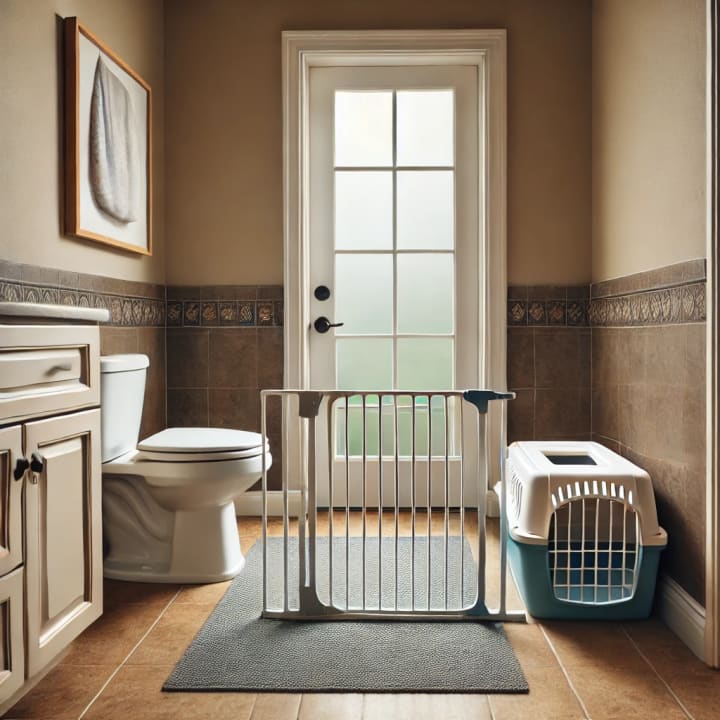
The easiest way to prevent your dog from accessing the litter box is to simply move it somewhere out of their reach. If you have the space, consider placing the litter box in a room your dog can’t get into, like a bathroom with a baby gate. There are also specialized pet doors you can install to allow your cat access to their litter box but keep your dog out.
2. Baby Gates and Cat Doors
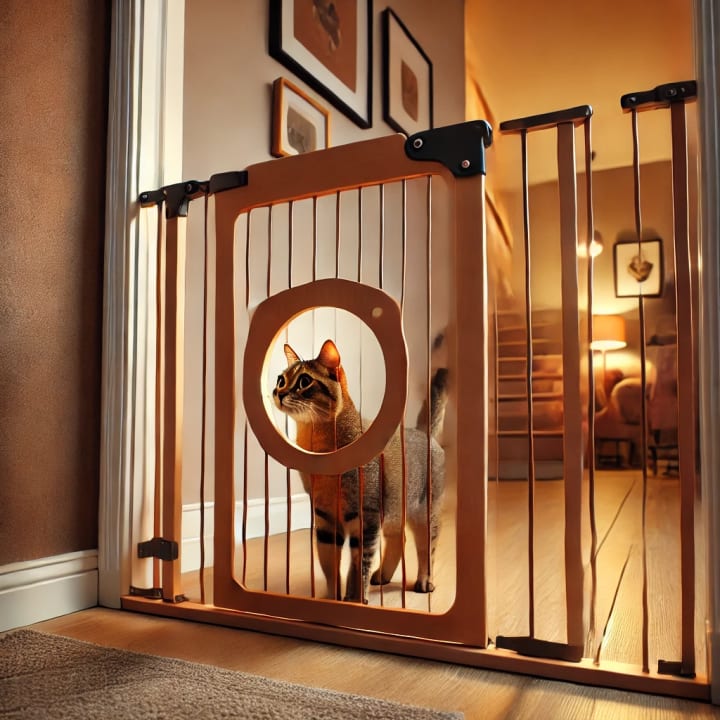
If you can’t relocate the litter box, try setting up barriers. A baby gate with a cat-sized opening can be a perfect solution. Your cat can slip through the gate to use the litter box, but your dog will be left out of the action. Alternatively, if you have a large dog, you might want to consider a cat door in a door or wall to give your cat a private space for their bathroom breaks.
3. Clean the Litter Box Frequently
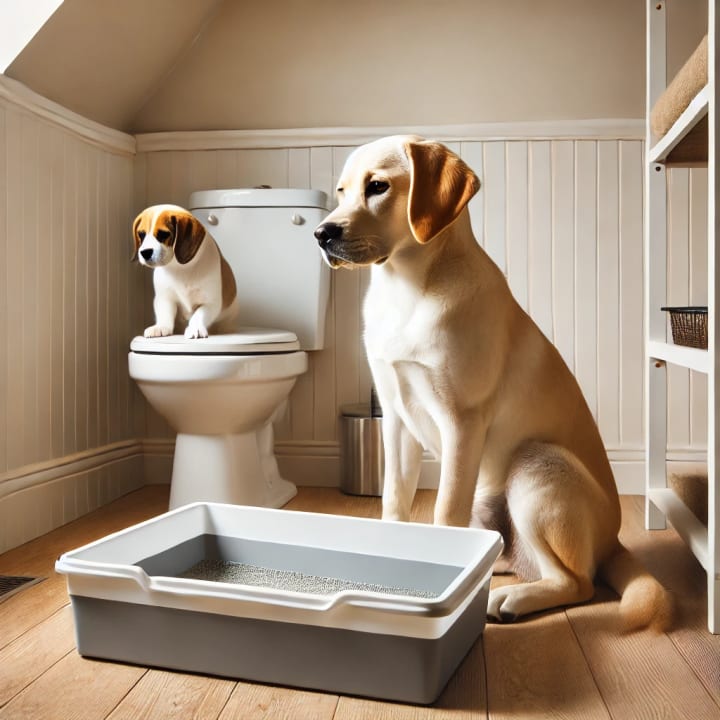
This may seem obvious, but the cleaner the litter box, the less likely your dog will be attracted to it. Scoop the litter box at least once or twice a day, and change out the litter regularly. A clean litter box is less likely to entice your dog to investigate.
4. Training "Leave It"
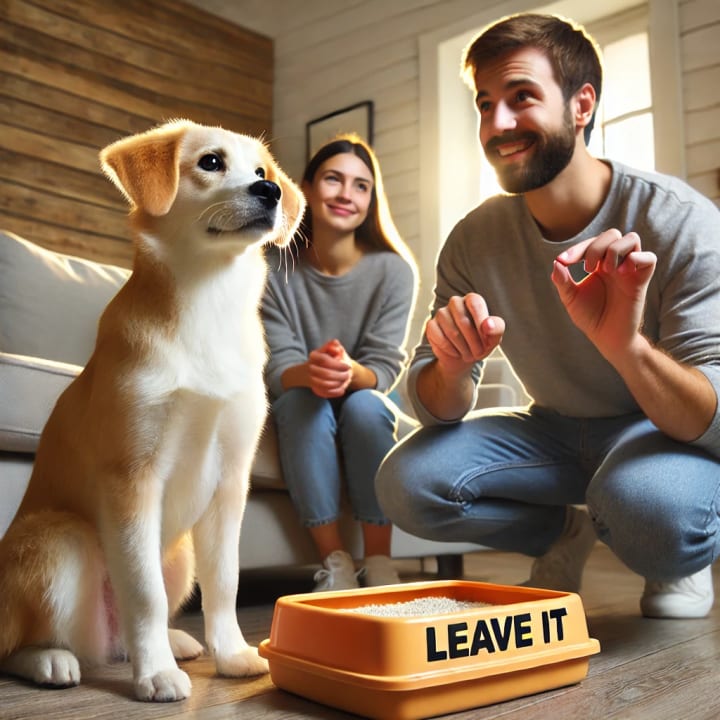
Training your dog to leave things alone is always a good idea, especially if you’re dealing with an inquisitive pooch. Teaching the "leave it" command is a simple but effective way to prevent your dog from eating cat litter (or anything else they shouldn’t).
5. Keep Your Dog Busy
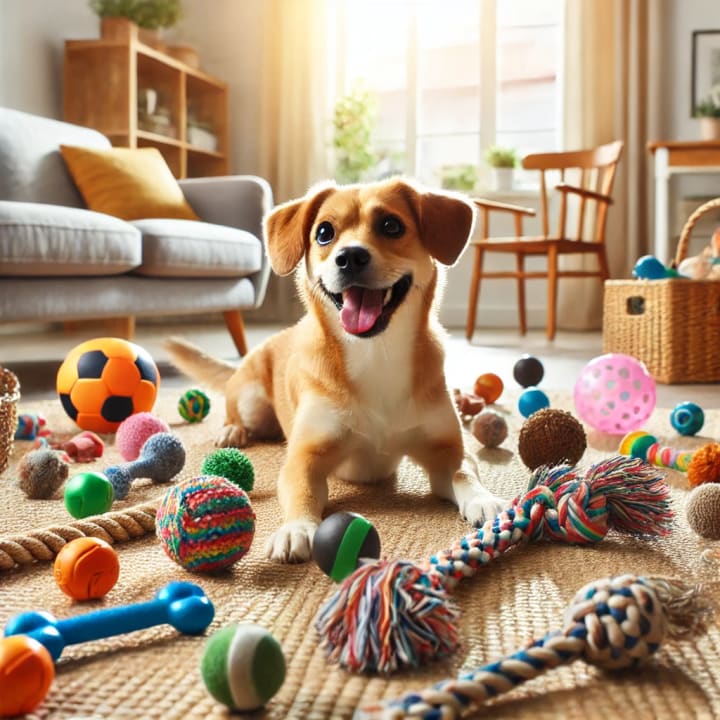
Dogs are more likely to get into trouble when they’re bored. Providing your dog with plenty of toys, regular exercise, and mental stimulation can keep their attention off the litter box. Puzzle toys, treat-dispensing toys, and daily walks will tire them out and reduce their curiosity about the litter box.
6. Consult Your Veterinarian

If your dog’s litter-eating behavior is persistent or seems to be related to a nutritional deficiency, it might be time to consult your vet. They can recommend dietary adjustments or investigate any underlying health issues that might be causing your dog to eat non-food items.
In Conclusion
While the sight of your dog eating cat litter can be distressing, it’s important to remember that this behavior is usually rooted in natural curiosity, instinct, or a need for more nutrients. With the right strategies in place, you can prevent your dog from indulging in this gross habit. By making the litter box less accessible, keeping it clean, providing training, and ensuring your dog has plenty of alternative distractions, you can keep both your pets happy, healthy, and out of the litter box!
And remember, when it comes to dog training, patience and consistency are key.
Thanks for your reading.
About the Creator
Velveteen Lop Rabbit Lifespan Size Color Diet and Interesting Facts
As we know when people assume Velveteen Lop Rabbit many time the sweet story of the Velveteen Rabbit comes to mind. The name of this breed is not taking from any rabbit, but the book The Velveteen Rabbit have a very cute, sociable, and friendly nature.
By Rabbits Advisor5 days ago in Petlife
Helping Your Elderly Cat Who's Going Blind
When Your Cat Loses Its Sight It can be heartbreaking to watch your beloved kitty go blind. When my cat started to go blind, it was really hard to watch her bump into walls, not to mention the constant loud meowing, which made her sound like she was in excruciating pain. She wasn't. However, she was very confused and scared.
By Janis Masyk-Jackson7 days ago in Petlife



Comments (1)
I enjoyed reading this ✍️♦️♦️♦️♦️♦️