
How to Remove Pet Stains from Carpets
A Comprehensive Guide

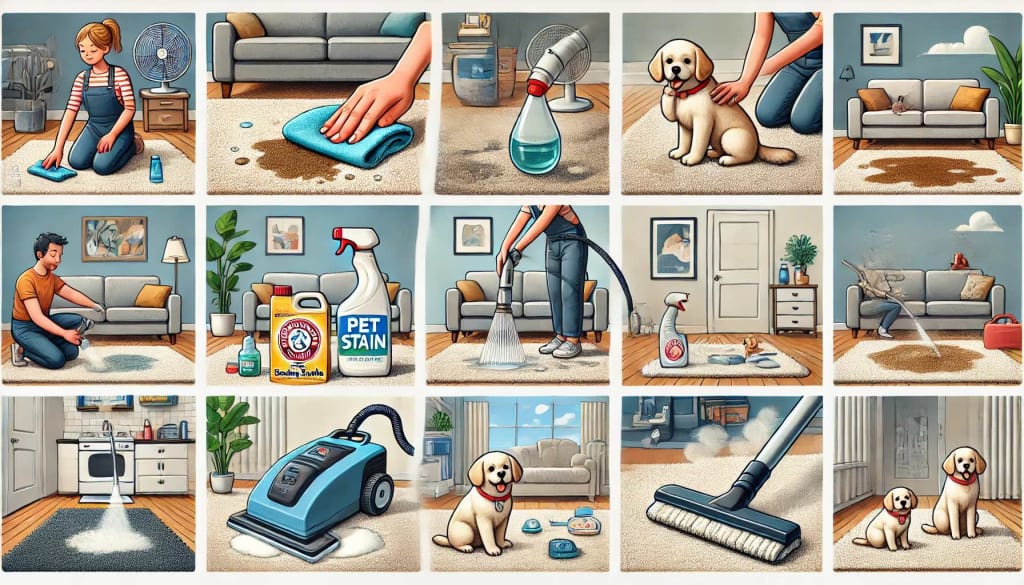
Pet ownership brings joy, companionship, and love into our lives. However, it also comes with its share of challenges, particularly when maintaining a clean home. One common issue many pet owners face is pet stains on carpets. Whether it's an accident from a puppy still being house-trained, an older pet struggling with incontinence, or simply a muddy pawprint, pet stains can be tough to tackle. This article provides an in-depth guide to effectively remove pet stains from carpets, ensuring your home stays fresh and clean.
Understanding Pet Stains
Before diving into stain removal techniques, it’s crucial to understand the different types of pet stains and why they can be so persistent:
1. Types of Pet Stains
Urine Stains: One of the most common issues, these stains not only discolor your carpet but can also leave a lingering odor due to the uric acid crystals.
Feces Stains: Solid messes can often be easier to handle, but they still leave behind stains and bacteria if not treated properly.
Vomit Stains: Pet vomit contains stomach acids and enzymes, which can damage carpet fibers and leave unsightly stains.
Mud or Dirt Stains: Pets that love the outdoors often track in mud and dirt, causing stains that can be stubborn if left untreated.
2. Why Pet Stains Are Challenging
Pet stains penetrate deep into the carpet fibers and sometimes even into the padding below. If not addressed quickly, they can cause permanent discoloration, lingering odors, and even bacterial growth. This makes immediate and proper cleaning essential.
Step-by-Step Guide to Removing Pet Stains
Here’s a comprehensive step-by-step process for effectively removing pet stains from carpets:
Step-by-Step Guide to Removing Pet Stains
Here’s a comprehensive step-by-step process for effectively removing pet stains from carpets:
Step 1: Act Quickly
The sooner you address the stain, the better your chances of removing it entirely. Fresh stains are easier to clean than dried or set-in stains.
Blot, Don’t Rub: Use a clean paper towel or cloth to blot up as much of the liquid or mess as possible. Avoid rubbing, as this pushes the stain deeper into the carpet fibers.
Remove Solid Debris: If the stain involves solid waste, use a plastic bag or disposable gloves to remove it. Be gentle to avoid spreading the stain.
Step 2: Prepare a Cleaning Solution
Different types of pet stains may require different cleaning solutions. Below are some effective DIY and store-bought options:
DIY Cleaning Solutions
White Vinegar and Baking Soda:
Mix one part white vinegar with one part water in a spray bottle.
Spray generously on the stained area.
Sprinkle baking soda over the area and let it sit for 15–20 minutes before vacuuming.
Hydrogen Peroxide and Dish Soap:
Combine 1 cup of hydrogen peroxide with 1 teaspoon of dish soap.
Apply to the stain, let it sit for 10 minutes, then blot with a clean cloth.
Test this on a small, inconspicuous area first, as hydrogen peroxide can bleach some carpets.
Club Soda:
Pour club soda directly onto the stain and blot with a clean cloth.
This works well for fresh urine stains.
Enzymatic Cleaners
For tougher stains, especially urine, enzymatic cleaners are highly effective. These cleaners contain enzymes that break down organic compounds like uric acid, eliminating stains and odors. Popular options include Nature’s Miracle and Rocco & Roxie.
Enzymatic Cleaners
For tougher stains, especially urine, enzymatic cleaners are highly effective. These cleaners contain enzymes that break down organic compounds like uric acid, eliminating stains and odors. Popular options include Nature’s Miracle and Rocco & Roxie.
Step 3: Treat the Stain
Apply your chosen cleaning solution to the stain.
Gently scrub the area with a soft-bristle brush or cloth to loosen the stain.
Blot the area with a clean, dry towel to absorb the liquid.
Step 4: Rinse and Dry
Rinse the area with clean water to remove any cleaning residue.
Blot dry with a towel or use a wet/dry vacuum to extract as much moisture as possible.
To speed up drying, place a fan or open windows for better ventilation.
Step 5: Deodorize
Even after the stain is removed, odors can linger. To neutralize odors:
Sprinkle baking soda over the area and let it sit overnight before vacuuming.
Use an enzymatic cleaner specifically designed to remove pet odors.
Special Cases and Techniques
1. Removing Old or Set-In Stains
Old stains are more challenging but not impossible to remove. Follow these steps:
Rehydrate the stain by spraying it with warm water.
Apply an enzymatic cleaner and let it sit for the recommended time.
Blot and rinse as needed.
2. Dealing with Stubborn Odors
Persistent odors can be a result of urine penetrating the carpet padding. In such cases:
Use a deep-cleaning carpet cleaner or rent a steam cleaner.
Consider professional cleaning if odors persist despite your efforts.
Tips for Preventing Pet Stains
1. Train Your Pets
Proper training can significantly reduce the chances of accidents indoors. Consistency, patience, and positive reinforcement are key.
2. Use Pet-Friendly Rugs and Carpets
Opt for carpets and rugs made from stain-resistant materials, such as nylon or polyester. These materials are easier to clean and less likely to absorb stains.
3. Place Mats and Rugs Strategically
Place washable mats or rugs in high-traffic areas or near entrances to catch dirt and mud before it reach your carpet.
4. Clean Paws and Fur
Regularly clean your pet’s paws and fur, especially after outdoor activities, to prevent them from tracking in dirt or mud.
5. Use Protective Products
Consider applying a carpet protector, such as Scotchgard, to repel stains and spills.
When to Call Professionals
While DIY methods are effective for most stains, there are times when professional cleaning is necessary:
If the stain covers a large area.
If you’ve tried multiple methods without success.
If the odor persists despite thorough cleaning.
Professional cleaners use specialized equipment and solutions that can penetrate deep into carpets to remove even the most stubborn stains and odors.
When to Call Professionals
While DIY methods are effective for most stains, there are times when professional cleaning is necessary
FAQs About Removing Pet Stains from Carpets
1. Can I use bleach to clean pet stains?
No, bleach can damage your carpet fibers and cause discoloration. Stick to pet-safe cleaning solutions.
2. How do I prevent my pet from soiling in the same spot?
After cleaning, use an enzymatic cleaner to eliminate lingering odors that might attract your pet to the same spot. You can also use pet deterrent sprays.
3. Are homemade cleaners as effective as store-bought ones?
Homemade cleaners can be effective for minor stains, but enzymatic cleaners are better for tough stains and odors.
Conclusion
Removing pet stains from carpets doesn’t have to be a daunting task. With the right tools, techniques, and preventive measures, you can maintain a clean and fresh home despite the occasional mess. Remember to act quickly, choose the appropriate cleaning method, and address both stains and odors for the best results.
By following this guide, you’ll not only save your carpets but also create a more comfortable and hygienic environment for both you and your furry friends.
About the Creator
Housekeeping
Welcome to Housekeeping
"A professional housekeeper skilled in time management, effective cleaning techniques and using eco-friendly products to promote a healthy space"
Please like, share and subscribe! Please leave your suggestions
Keep reading
More stories from Housekeeping and writers in Petlife and other communities.
Make Fitness Your Lifestyle
Fitness is more than just an activity or a routine—it's a lifestyle that can profoundly impact your health, happiness, and overall well-being. Transitioning fitness from a short-term goal to a lifelong habit takes effort, dedication, and a mindset shift, but the rewards are undeniable. This guide will walk you through practical steps to making fitness a natural and enjoyable part of your life.
By Housekeepingabout a year ago in Education
30 Days in a Shelter
By day 3, the barking changes. The first 48 hours are chaos. Intake processing. New smells. Metallic doors slamming. By day 3, some dogs bark constantly. Others stop almost entirely. One paces the kennel line until the pads on his feet redden. Another stands motionless, eyes half-lidded, ignoring visitors.
By Dr. Mozelle Martinabout 2 hours ago in Petlife
When the Shelter Closes
Across the street from my house, a man slept under a tree, his dog by his side. My first, naive thought: he must be traveling through. But he kept coming back, often sleeping there during the day. Then it hit me—that person might not have a home.
By Bride of Sound5 days ago in Humans



Comments
There are no comments for this story
Be the first to respond and start the conversation.