
How to Prepare Your Home for a Rescue Dog
Everything You Need to Help Your Rescue Dog Feel at Home

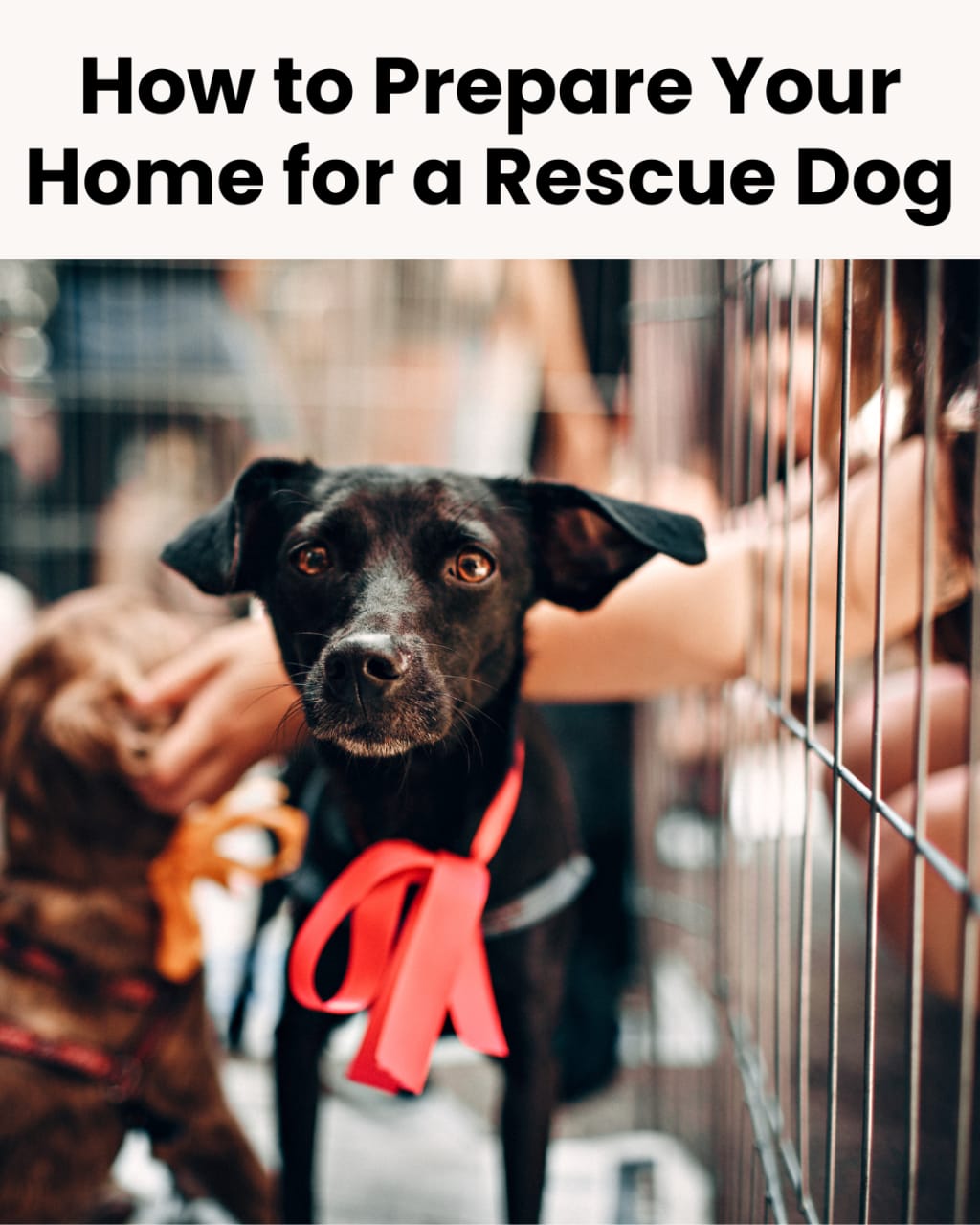
Welcoming a rescue dog into your home is a heartwarming and fulfilling journey. You’re not just giving a dog a second chance—you’re also gaining a loyal companion. But before your new furry friend walks through the door, there are some important steps to take to make your home safe, welcoming, and comforting. Rescue dogs may have uncertain backgrounds, so preparation can make a big difference in helping them adjust.
Here’s how to get your home—and your heart—ready for a rescue dog.
1. Create a Calm, Safe Space
Rescue dogs may feel overwhelmed at first. Give them a designated “safe zone” where they can relax and feel secure. This could be a quiet corner of a room with their bed, crate, and some soft blankets. Avoid high-traffic or noisy areas at the beginning.
Crates can be a great tool, especially if your dog is crate-trained or learns to see the crate as a cozy den. Never use a crate for punishment—it should be a place of peace.
2. Dog-Proof Your Home
Like baby-proofing for a toddler, dog-proofing prevents accidents and damage. Here’s what to check:
- Secure trash cans and cleaning supplies.
- Hide electrical cords or tape them down.
- Remove small objects a dog might chew or swallow.
- Keep houseplants out of reach (many are toxic to dogs).
- Use baby gates to block off unsafe areas like stairs or kitchens.
Dogs are curious by nature, especially in a new environment, so try to think from their point of view and remove any hazards.
3. Stock Up on the Essentials
Before your dog arrives, gather the basic supplies:
- Food and water bowls (preferably stainless steel or ceramic)
- High-quality dog food
- A leash and well-fitting collar with ID tag
- A comfortable bed
- Toys (soft, chew, and interactive)
- Training treats
- Grooming supplies like brushes, nail clippers, and dog shampoo
- A crate or playpen, depending on your dog’s size and needs
Having these ready helps your dog settle in quickly—and shows them they’re welcome and cared for.
4. Schedule a Vet Visit
Even if your dog has had recent medical care through the rescue organization, schedule a check-up with your own vet within the first week. Bring any medical records you have and talk about vaccinations, parasite prevention, microchipping, and diet.
Your vet can also help you create a plan for any behavioral or health issues your rescue pup might have.
5. Be Ready for an Adjustment Period
Rescue dogs may come with unknown history. They might be fearful, shy, or unsure how to act in a new home. Don’t expect perfection from day one. Give them time, structure, and patience.
Use positive reinforcement to encourage good behavior. Keep your schedule consistent—feed, walk, and play at the same times each day. Routines help build trust.
Some dogs may bond quickly, while others need weeks or even months to feel fully secure. Let them go at their own pace.
6. Establish House Rules
Decide in advance where your dog is allowed. Are the sofa and bed okay? Which rooms are off-limits? Everyone in the household should be on the same page to avoid confusing the dog.
Introduce the rules calmly and consistently. Praise good behavior and redirect undesirable actions without punishment.
If needed, consider hiring a certified dog trainer—especially one experienced with rescue dogs—to help build confidence and guide you through training.
7. Show Love, But Go Slow
It’s natural to want to shower your new dog with affection, but let them warm up to you. Give them space when needed and let them initiate contact.
Let your dog observe, sniff, and explore at their own pace. Short, gentle interactions are better than overwhelming attention. Over time, your bond will grow—and once trust is built, the love will flow naturally.
Final Thoughts
Preparing your home for a rescue dog takes time, effort, and a lot of heart—but the payoff is immense. By setting up a safe space, being patient, and offering steady love, you’re giving your dog the best chance to thrive. Rescue dogs often have incredible resilience, and with your support, they can finally find the home they’ve always deserved.
About the Creator
Freddie Mattinson
A pet enthusiast and blogger passionate about making your and your pets' lives easier and more enjoyable. I have been blogging on the side to share my expertise on pet-related matters.
Keep reading
More stories from Freddie Mattinson and writers in Petlife and other communities.
Nexgard Chewables vs. Frontline Plus: Which One to Select for Dogs?
Fleas and ticks don’t wait for the summer season to infest your dog; they are a year-round annoyance looming over your pet like a constant threat. This requires you to be prepared in advance with the right treatment for your pooch. When it comes to flea and tick protection, Nexgard Chewables and Frontline Plus are the two of the most recommended and talked-about products.
By Freddie Mattinson10 months ago in Petlife
Pandora’s Burden
“My brother warned me to not accept gifts from the one who commissioned you,” said Epimetheus to the woman clad in silvery raiments standing at the entrance to the temple. Her silver tiara and the silver rings on her fingers and toes glinted in the firelight cast by torches set on either side of the doorway. Lingering in the shadows, beyond the reach of the flames as she was, he could not tell what she held in her hands. At first what appeared to be a box was perhaps a funerary urn, or maybe merely an apple.
By J. Otis Haasabout 9 hours ago in Fiction




Comments (1)
Rescue dogs need a safe space. I made a quiet corner with a crate for my pup. Also, dog-proofing is crucial. I hid cords and kept plants away to avoid any accidents.