
How to Kennel Train a Dog? A Detailed Guide
The Secret to Kennel Training Your Dog: A Step by Step Guide to Success

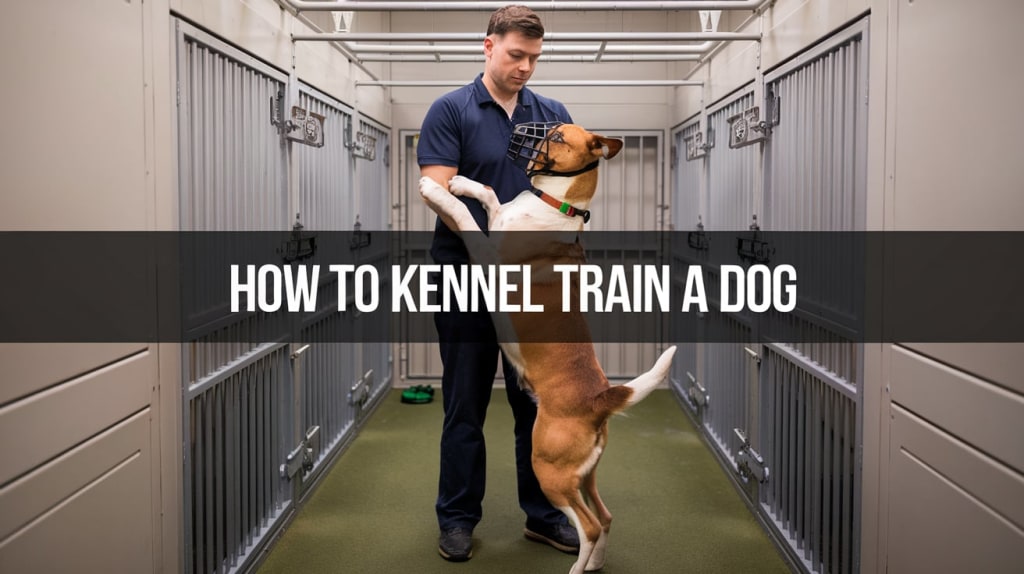
Kennel training is more than just teaching your dog to stay in a box—it’s about creating a sanctuary where they feel safe, secure, and loved. Whether you’re training a playful puppy, a rescue dog with a troubled past, or an older dog set in their ways, this guide will walk you through every step of the process.
We’ll explore the science behind kennel training, share emotional stories of success, and provide detailed, step by step instructions to ensure your dog not only tolerates their kennel but loves it.
In this guide, we’ll uncover the secrets to making your dog’s kennel their favorite place in the house.
What is Kennel Training?
Kennel training is teaching your dog to see their kennel as a happy place. It’s not a punishment—it’s their own little room. A kennel can help with potty training, keep your dog safe when you’re not home, and even help them feel calm during storms or fireworks.
But how do you make your dog love their kennel? Let’s find out!
The Shocking Truth About Kennel Training:
Did you know that dogs are den animals? In the wild, they sleep in small, cozy spaces to feel safe. A kennel can be like a den for your dog—if you introduce it the right way.
But here’s the shocking part: many people make big mistakes when kennel training. They force their dog inside, leave them too long, or use the kennel as punishment. This can make your dog hate their kennel and even cause anxiety.
Don’t worry—we’ll show you how to avoid these mistakes and make kennel training a positive experience.
How to Kennel Train a Dog: Step by Step
Step 1: Choosing the Perfect Kennel
Size Matters:
The kennel should be just big enough for your dog to stand up, turn around, and lie down comfortably. If it’s too large, your dog might use one corner as a bathroom. For puppies, consider a kennel with a divider that can be adjusted as they grow.
Material and Style:
Kennels come in various materials, including wire, plastic, and fabric. Wire kennels are durable and provide good airflow, while plastic kennels are cozy and den-like. Fabric kennels are lightweight and portable but may not be suitable for dogs who like to chew.
Location:
Place the kennel in a quiet but social area of your home. Dogs are pack animals and want to be near their family, but they also need a calm space to relax. Avoid placing the kennel in high-traffic areas or near loud appliances.
Step 2: Making the Kennel Irresistible
Cozy Bedding:
Add a soft blanket or bed to the kennel. Make sure it’s machine-washable in case of accidents. For dogs who like to chew, opt for durable, chew-proof bedding.
Toys and Treats:
Place a few favorite toys inside the kennel to keep your dog entertained. Puzzle toys stuffed with treats can make the kennel even more appealing.
Your Scent:
Dogs are comforted by the smell of their owners. Place an old T-shirt or blanket with your scent in the kennel to help your dog feel secure.
Step 3: Introducing the Kennel
Take It Slow:
Never force your dog into the kennel. Instead, let them explore it on their own. Toss treats near the kennel, then inside, and finally at the back. Praise your dog when they go in.
Mealtime in the Kennel:
Feed your dog their meals inside the kennel. Start by placing the food bowl near the entrance, then gradually move it further inside. This helps your dog associate the kennel with positive experiences.
Short Stays:
Once your dog is comfortable going inside, close the door for a few minutes while you stay nearby. Gradually increase the time, always returning before your dog gets anxious.
Step 4: Building Confidence
Practice Leaving the Room:
Start by leaving the room for a few seconds, then a few minutes. Always return before your dog gets upset. This teaches them that you’ll always come back.
Use a Command:
Teach your dog a command like “kennel up” or “go to bed.” Say the command, toss a treat inside, and praise them when they go in. Over time, they’ll learn to go in on their own.
Gradual Alone Time:
Once your dog is comfortable with short stays, start leaving the house for brief periods. Begin with just a few minutes and gradually increase the time.
Step 5: Troubleshooting Common Issues
Whining and Barking:
If your dog whines or barks in the kennel, resist the urge to let them out immediately. Wait until they’re quiet, then reward them with praise and a treat. This teaches them that quiet behavior is rewarded.
Accidents:
If your dog has an accident in the kennel, clean it up thoroughly to remove the scent. Make sure you’re not leaving them in the kennel for too long—puppies can only hold their bladder for a few hours.
Anxiety:
For dogs with separation anxiety, start with very short periods in the kennel and gradually increase the time. Consider using calming aids like a pheromone spray or calming music.
Step 6: Advanced Tips and Tricks
Kennel Training at Night:
Place the kennel near your bed so your dog feels close to you. Use a soft blanket and a quiet toy to help them relax. Take your dog out for a potty break right before bed, and if they whine, wait a few minutes before responding.
Kennel Training for Rescue Dogs:
Rescue dogs may have negative associations with confinement. Be patient and take things slow. Use high-value treats and plenty of praise to build positive associations.
Kennel Training for Older Dogs:
Older dogs can learn new tricks, but they may take longer to adjust. Be consistent and patient, and consider using a larger kennel if they have joint issues.
How to Kennel Train a Dog at Night?
Nighttime can be tricky, especially with puppies. Here’s how to make it easier:
- Place the kennel near your bed so your dog feels close to you.
- Use a soft blanket and a quiet toy to help them relax.
- Take your dog out for a potty break right before bed.
- If your dog whines, wait a few minutes before responding. They might settle down on their own.
How to Kennel Train a Dog with Separation Anxiety?
Dogs with separation anxiety need extra love and patience. Here’s what to do:
- Start with very short periods in the kennel.
- Leave a special toy or treat that they only get in the kennel.
- Practice leaving the house for just a few seconds, then come back. Gradually increase the time.
- Consider using calming aids like a pheromone spray or calming music.
How Long Does It Take to Kennel Train a Dog?
Every dog is different. Some dogs learn in a few days, while others take weeks or even months. Be patient and consistent. Remember, slow and steady wins the race!
Common Mistakes to Avoid:
- Using the kennel as punishment – This will make your dog afraid of it.
- Leaving your dog too long – Puppies can only hold their bladder for a few hours.
- Rushing the process – Take your time and let your dog set the pace.
Emotional Stories: Kennel Training Success
Bella’s Journey:
Bella, a rescue dog with severe anxiety, was terrified of her kennel. Her owner, Sarah, started by feeding Bella her meals inside the kennel and leaving the door open. Over time, Bella began to see the kennel as a safe space. Now, she goes inside on her own when she’s tired or anxious.
Max’s Transformation:
Max, a playful puppy, cried all night in his kennel. His owner, Jake, tried everything—until he discovered that Max loved the sound of a ticking clock. Now, Max sleeps soundly every night, and Jake gets a full night’s rest.
The Science Behind Kennel Training:
The Den Instinct:
Dogs are naturally drawn to small, enclosed spaces because they mimic the dens their ancestors used in the wild. This instinct makes kennel training a powerful tool for providing comfort and security.
Positive Reinforcement:
Rewarding your dog for good behavior helps them learn faster and builds a positive association with the kennel. Treats, praise, and toys are all effective rewards.
Routine and Consistency:
Dogs thrive on routine. Feeding, walking, and kennel training at the same times each day helps your dog know what to expect and reduces anxiety.
Final Thoughts
Kennel training is a journey, but it’s one that can strengthen the bond between you and your dog. With patience, love, and the right approach, your dog will learn to see their kennel as a safe and happy space.
Remember, every dog is unique, so don’t be afraid to try different methods and adjust your approach as needed. Share your kennel training stories in the comments below—we’d love to hear about your successes and challenges!
About the Creator
Shane Watson
My name is Shane Watson and I am a writer who loves sharing insights through engaging and informative articles. With a keen interest in pets I enjoys exploring topics that help pet owners better understand and care for their pets
Keep reading
More stories from Shane Watson and writers in Petlife and other communities.
What Happens If a Dog Eats Gum?
Have you ever wondered what happens if your furry friend sneaks a piece of gum? It might seem like a small thing, but gum can be dangerous for dogs. Let’s dive into this mystery and uncover the shocking truth about what happens if a dog eats gum. You’ll be surprised by what we find!
By Shane Watsonabout a year ago in Petlife
Velveteen Lop Rabbit Lifespan Size Color Diet and Interesting Facts
As we know when people assume Velveteen Lop Rabbit many time the sweet story of the Velveteen Rabbit comes to mind. The name of this breed is not taking from any rabbit, but the book The Velveteen Rabbit have a very cute, sociable, and friendly nature.
By Rabbits Advisorabout 6 hours ago in Petlife
Helping Your Elderly Cat Who's Going Blind
When Your Cat Loses Its Sight It can be heartbreaking to watch your beloved kitty go blind. When my cat started to go blind, it was really hard to watch her bump into walls, not to mention the constant loud meowing, which made her sound like she was in excruciating pain. She wasn't. However, she was very confused and scared.
By Janis Masyk-Jackson2 days ago in Petlife
Early March 2026: 4 Goals Accomplished
It's early March and I've now accomplished my 4th writing goal for the year of 2026. Before diving into the behind-the-scenes of it... why not tell you up front what that accomplishment was? I was published in a 2nd publication for this year. Published in Helix Literary Magazine out of Central Connecticut State University. You can read it for free right now!
By Stephen Kramer Avitabile5 days ago in Writers



Comments (1)
It’s good to train dogs! I love dogs x great work! Amazing