
How to keep a dog from jumping off the couch
Many dog owners love having their furry companions cuddle up on the couch, but the risks of jumping off elevated surfaces often go unnoticed. Repeated jumps can strain their joints and muscles, potentially leading to long-term health issues like arthritis or hip dysplasia. Whether you own a small puppy, a senior dog, or an active adult, preventing this behavior is crucial for their well-being. In this article, we’ll explore the risks of jumping, how to train your dog to use ramps or stairs, and alternative ways to protect your dog’s health while keeping them comfortable.

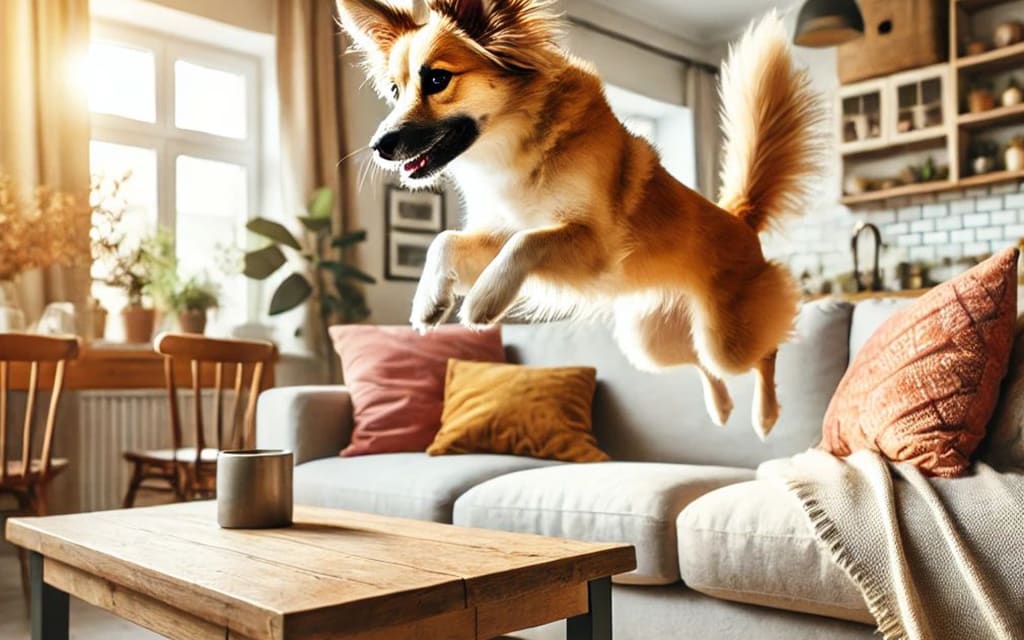
Why Your Dog Shouldn't Jump Off the Couch (And How to Stop It)
We’ve all seen it. Your dog, full of energy, leaps effortlessly off the couch, and in that split second, you wonder: “Is this really okay for them?” In that moment, you may laugh or maybe even cheer them on, but deep down, you’re probably not thinking about the potential harm. Unfortunately, many dog owners fail to realize that the occasional leap off the furniture could lead to real health problems.
So, is it really worth it? Should we prevent our dogs from jumping off the couch entirely? What’s the right approach to balance comfort with safety? Let’s dive in.
The Impact of Jumping on Furniture
Dogs love to jump. They jump for joy, for excitement, for play—and yes, even to get on or off the couch. But here’s the thing: jumping from furniture, especially high places, can be hard on their joints and bones. It’s the kind of thing we don’t think about until we see a limp or a wince of discomfort.
When your dog jumps, they’re essentially absorbing the impact of landing on a hard surface. Even for those of us with larger dogs, the pressure from that impact can slowly wear down their joints and muscles over time. But let’s focus on the smaller breeds first, as they’re more vulnerable. Think about it: short legs, small bodies, and a greater risk of injury when they leap. For dogs like Dachshunds, Chihuahuas, or even French Bulldogs, a hard landing can lead to sprains, fractures, and conditions like arthritis. So while it might look cute in the moment, those jumps can take a toll.
Now, don’t think large dogs are off the hook. Big breeds like Labradors, Bulldogs, and German Shepherds may be stronger, but the repeated shock from jumping can still cause joint issues. This is why it’s so important to be proactive in preventing injury.
Puppies and Senior Dogs: At High Risk
It’s not just the adult dogs we need to worry about; puppies and senior dogs are particularly vulnerable. Puppies, with their developing bones, are at a much higher risk of fractures. Just one bad leap could affect their growth. And as for senior dogs? The impact of jumping from a height can exacerbate pre-existing conditions, like arthritis or hip dysplasia. They may already have weakened joints, and jumping will only accelerate the wear and tear.
Let’s talk about how these little jumps could affect the quality of life for our elderly pets. A senior dog that suffers from back pain or arthritis could find that simple tasks, like climbing onto a couch, become a huge challenge. This could drastically affect their mobility and comfort. So, whether your dog is a curious puppy or an older companion, their well-being should be your top priority.
Why It’s Worth Training Your Dog to Use Stairs or a Ramp
Okay, so what’s the solution? You could start by providing your dog with an alternative, safer way to get on and off furniture: stairs or a ramp. These tools allow your dog to navigate higher surfaces without risking injury.
Imagine this: you’ve got your dog using a ramp, happily walking up to the couch without jumping. Sounds good, right? But before you rush to buy the fanciest ramp out there, it’s important to remember that training your dog to use these tools may take some time and patience.
Training isn’t just about placing the ramp in front of the couch and hoping your dog will use it. No, you’ve got to make it an enticing experience! The key here is positive reinforcement. When they take those first steps onto the ramp, reward them with treats and praise. It might take a few tries (or a few weeks, if we’re being honest), but the benefits are totally worth it. Once they’ve got the hang of it, you’ll be able to say goodbye to those sudden, painful jumps.
What to Do if Your Dog Just Won’t Use the Ramp
Let’s be real: some dogs are stubborn. They may look at the ramp and think, “Nah, I’ll just jump!” Don’t worry, though—this doesn’t mean you’ve failed. It just means you need a bit of extra effort. You could try luring them with treats, but make sure they feel comfortable using the ramp on their own. You can also try adding some extra security by placing pillows around the ramp to guide them.
And here’s a little tip: sometimes, it’s not enough to just train them on the ramp. You may also need to limit their access to furniture altogether. Using baby gates or keeping furniture in restricted areas might help them break the habit. As much as we love cuddling with our dogs on the couch, it’s essential to make tough decisions for their long-term health.
Dealing with Puppies and Senior Dogs
When dealing with puppies or senior dogs, the stakes are even higher. For puppies, we’re talking about bone growth, and for senior dogs, it’s about reducing pain and discomfort. You may need to take extra precautions by providing ramps or stairs from the start to prevent unnecessary jumping. It’s a small investment in their future health and comfort.
Alternatives to Ramp Training
Now, let’s not forget about the simpler option: prevention. You can choose to limit your dog’s access to furniture entirely. You could do this by using baby gates or closing doors to keep them away from areas that might tempt them to jump. But that doesn’t mean you need to take away the comfort and snuggling time entirely. Instead of letting them on the couch, you could provide them with their own comfy spot—maybe a soft bed or a cozy mat in the living room. This can redirect their focus away from the couch and give them a space of their own.
Building a Safe Space for Your Dog
When training your dog to stay in one place, whether it’s on a bed, cot, or mat, consider using the Place command. This command tells your dog to stay in a specific area, like their bed or designated space. It’s easier and faster for dogs to learn than the Down/Stay or Sit/Stay commands, which often require more rigid positions.
However, before your dog can truly stay on their “Place,” you need to make sure they’re comfortable with getting on the object first. Some dogs may resist stepping up on new items, so be patient and guide them gently. Once they feel confident with this, they’ll be much more likely to stay on their designated space when you need them to. And trust me, it will make your life easier when you need them to stay put during meals or when guests arrive.
What About the Furniture You Can’t Control?
You may not be able to control every piece of furniture in your home, but there are things you can do to make things safer for your dog. If you have a high bed, consider lowering it so your dog isn’t jumping from such a height. Similarly, for tables or other furniture, make sure your dog can’t access them. Push chairs in, place objects on surfaces, or use gates to block access.
Conclusion: Prioritize Safety Without Sacrificing Comfort
At the end of the day, your dog’s safety should always come first. It’s easy to overlook the risks of jumping, especially when you’re used to seeing your dog bounce around full of life. But trust me, those little jumps could lead to long-term health problems. Whether you choose to invest in a ramp, restrict access to furniture, or train your dog to stay in their designated space, remember that it’s all about balancing comfort and safety.
Sure, it may be a little inconvenient to block off the couch or use gates, but the peace of mind knowing your dog is healthy and safe? Totally worth it.
Thanks for your reading.
About the Creator
A Dart at Dusk
Seconds ago, the sullen sun set on the two of us… my exuberant furry companion and me. A fresh breeze embraces us, delivering welcome relief from the day’s oppressive heat. His typical stumbling and staggering along — apace with a sloth — has turned into trip-trapping, high-stepping, almost skipping along.
By Angie the Archivist 📚🪶about 16 hours ago in Petlife
The Cat Who Took Over the House: The Secret Life of Midnight Whiskers
Everyone knows that cats are mysterious creatures. They have a knack for hiding their true selves, especially when it comes to their daily activities. When we, the humans, are around, they appear lazy, aloof, and wholly uninterested in anything but sleeping. But what if I told you that the moment we leave the house, our cat, Midnight Whiskers, becomes a completely different creature—a creature of chaos?
By Ahmed aldeabella6 days ago in Petlife



Comments
There are no comments for this story
Be the first to respond and start the conversation.