
How to Help a Stressed Cat: Signs, Causes, and Solutions
Is your cat showing signs of stress? Learn how to help a stressed cat by identifying the causes and creating a calmer home. Get expert tips and solutions.

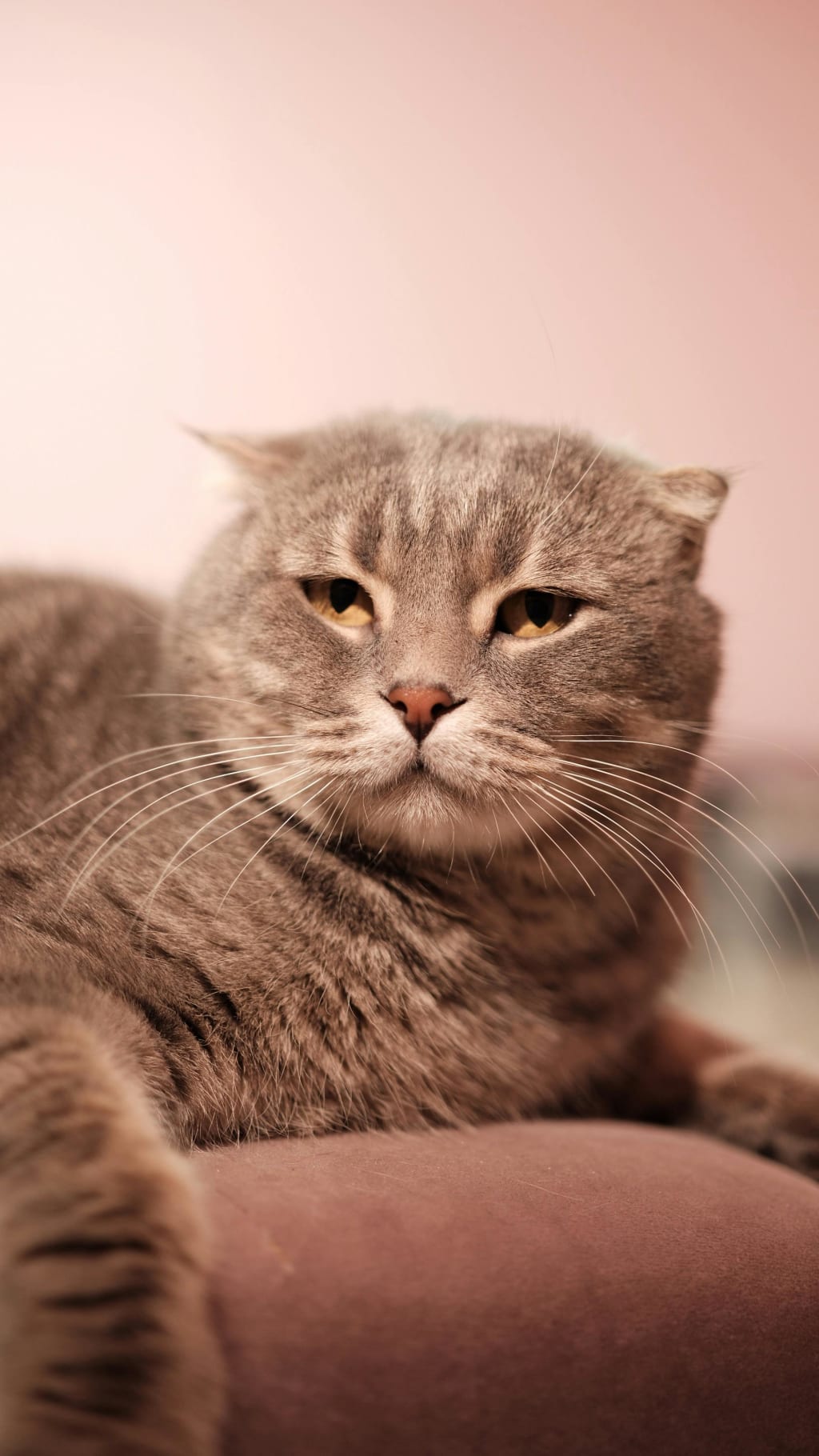
From the outside, a house cat’s life looks like a dream—endless naps in sunbeams and meals delivered on schedule. But beneath that calm exterior, many cats experience significant stress. Unlike dogs, who often show their anxiety in obvious ways, cats are masters of hiding their discomfort. Learning how to help a stressed cat is crucial for their long-term health and happiness. This guide will help you identify the subtle signs of feline anxiety, uncover its common causes, and provide actionable steps to restore peace to your home.
Reading the Signs: Is Your Cat Secretly Stressed?
Because cats are both predators and prey animals, their instinct is to hide any sign of vulnerability, including stress. This means you have to become a detective to notice the clues.
Common signs of stress in cats include:
- Changes in Litter Box Habits: Urinating or defecating outside the litter box is a classic sign of distress.
- Hiding More Than Usual: While all cats need alone time, a constant retreat under the bed or in a closet is a red flag.
- Over-Grooming or Under-Grooming: A stressed cat might lick themselves so much that they create bald spots, or they may stop grooming altogether.
- Shifts in Appetite or Vocalization: Eating significantly more or less, or meowing more frequently and urgently, can signal anxiety.
- Aggression: Sudden hissing, swatting, or biting toward people or other pets can be rooted in fear and stress.
If you notice any of these signs, your first step should always be a visit to the vet to rule out any underlying medical conditions.
Common Culprits: What Causes Stress in Cats?
Once medical issues are ruled out, it’s time to look at your cat’s environment and routine. Cats are creatures of habit and are highly sensitive to their surroundings.
Key stressors often include:de
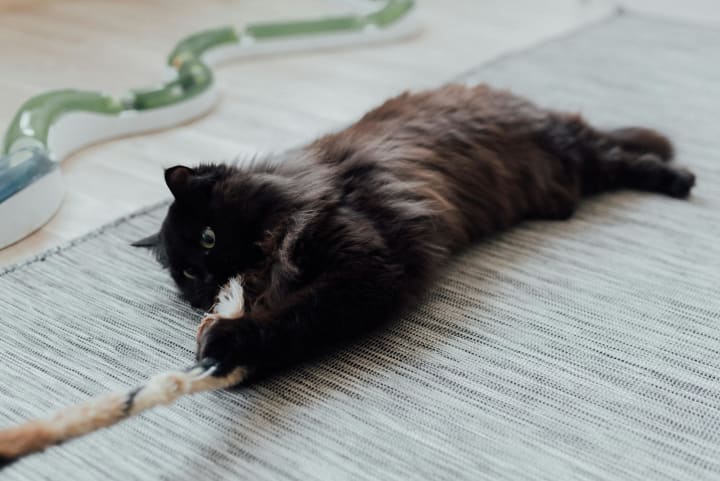
- Environmental Changes: Big changes like moving to a new house or smaller ones like rearranging furniture can disrupt a cat’s sense of security.
- Social Dynamics: The arrival of a new baby, a new pet, or even regular visitors can feel like an invasion of their territory. Conflict with other resident cats is also a major source of stress.
- Sensory Overload: Loud noises from construction, parties, or even a high-volume TV can be jarring. Strong scents from air fresheners, scented candles, and harsh cleaning products can also be overwhelming for a cat's sensitive nose.
- Boredom: An indoor cat without enough mental and physical stimulation can become anxious out of sheer lack of engagement.
Creating a Zen Zone: Actionable Steps to Reduce Feline Stress
The good news is that you can do a lot to create a more calming environment. The key is to think like a cat and fulfill their core needs.
- Enrich the Environment: Cats need places to climb, scratch, and hide. Providing cat trees for vertical space, sturdy scratching posts to mark their territory, and cozy hiding spots like a cardboard box or covered bed gives them a sense of control.
- Establish a Routine: Predictability equals safety for a cat. Keep feeding times, play sessions, and even your own departures and arrivals as consistent as possible.
- Master the Litter Box: A dirty or poorly placed litter box is a huge source of feline stress. The golden rule is to have one litter box per cat, plus one extra. Place them in quiet, accessible locations away from food and water bowls, and scoop them daily.
- Promote Play: Interactive play with wand toys mimics hunting and allows cats to release pent-up energy in a positive way. Aim for at least one or two 15-minute sessions per day.
When Over-Grooming and Itching are a Sign of Stress
Sometimes, a cat's internal stress manifests on their skin. You might notice your cat licking, chewing, or scratching at themselves excessively, a behaviour known as "psychogenic alopecia." This can lead to irritated skin, bald patches, and even open sores, creating a painful cycle where stress causes skin issues, and the discomfort from the skin issues causes more stress.
In these situations, it's important to soothe both their mind and their body. While you work on reducing the environmental stressors, you can also provide direct relief. A calming product like a CBD Cat Skin & Allergy Wellness Lick can offer a dual benefit, helping to soothe their nerves while also addressing the skin irritation caused by stress-grooming. It provides a moment of positive engagement and can help break the cycle of anxiety and over-grooming.
The Power of Pheromones and Professional Help
For an extra layer of calm, consider using a synthetic feline pheromone diffuser. These products mimic the "happy" pheromones that cats release when they feel safe and secure, sending a continuous signal of well-being throughout your home.
If you’ve tried these strategies and your cat’s stress persists, don’t hesitate to seek professional help. Your veterinarian can discuss options, and a board-certified veterinary behaviourist can create a tailored plan to address deep-seated anxiety.
Ultimately, helping a stressed cat is an act of love and patience. By observing their behaviour, understanding their needs, and making thoughtful adjustments to their world, you can transform your home into a sanctuary where your feline friend can truly thrive.
About the Creator
Kradle My Pet
Kradle offers natural, CBD-infused pet care for calming, mobility, and digestion—safe, effective wellness for happier, healthier dogs and cats every day.
Keep reading
More stories from Kradle My Pet and writers in Petlife and other communities.
How CBD Can Help Dogs with Joint Pain and Arthritis
From chasing tennis balls in the yard to curling up beside you on the couch, your dog’s mobility is a big part of their happiness. Unfortunately, joint pain and arthritis are common problems that can limit their ability to enjoy life. Studies suggest that 1 in 5 dogs experience arthritis, particularly as they age, though joint issues can also affect younger pets.
By Kradle My Pet6 months ago in Petlife




Comments
There are no comments for this story
Be the first to respond and start the conversation.