
How To Cure Dog From Separation Anxiety In 6 Weeks
A Comprehensive Guide to Helping Your Dog Feel Secure and Relaxed When Alone

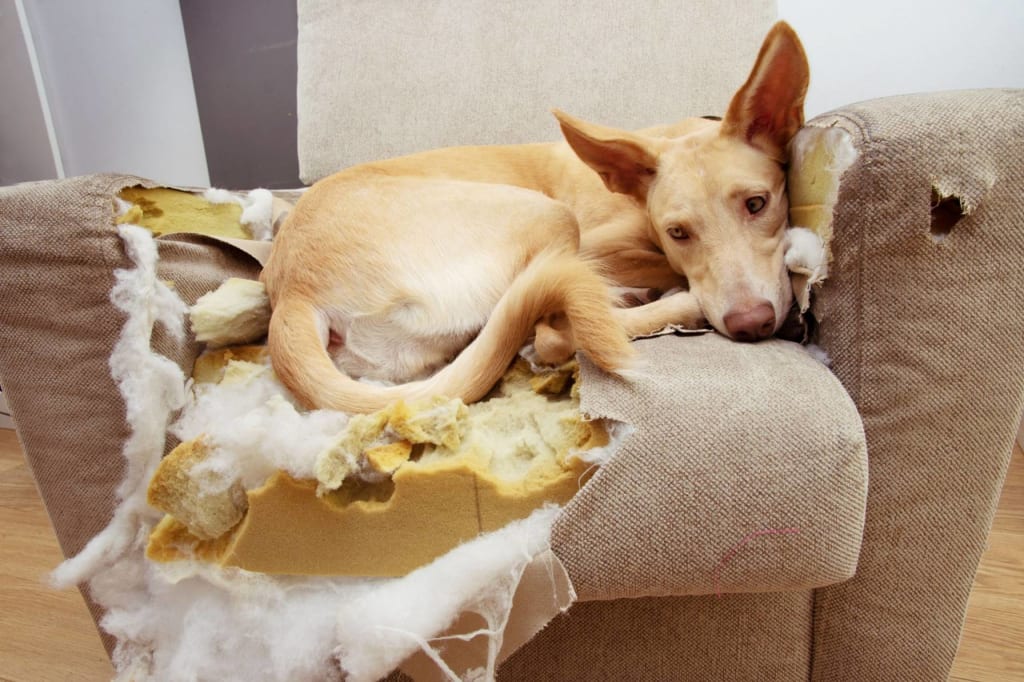
Separation anxiety in dogs can be challenging for both pets and their owners. It manifests as distress and behavioural problems when a dog is left alone. Fortunately, it only takes six weeks to help your dog overcome separation anxiety if you are patient and follow a planned method. In this blog post, we'll provide a step-by-step guide on how to make your pet more comfortable being left alone.
Understanding Separation Anxiety
It's critical to understand separation anxiety before moving on to the solution. Separation anxiety is when a dog becomes overly attached to its owner and gets extremely distressed when left alone. Symptoms can include excessive barking, destructive behaviour, drooling, and attempts to escape. Understanding these signs can help you identify and address the problem effectively.
Create a Safe and Comfortable Space
Creating a safe and comfortable space for your dog is crucial. This space should be a quiet area where your dog can relax when you’re not home. Put your dog's bed, toys, and water in a designated room or crate. Ensure that this area is warm and welcoming so that your dog will only think good things about it.
Gradual Desensitisation
Gradual desensitisation involves slowly getting your dog used to being alone. Start by leaving your dog alone for short periods, even just a few minutes. Gradually increase the time you are away. Following is a weekly schedule that you have to follow to:
Week 1: Leave your dog alone for 5-10 minutes.
Week 2: Increase the time to 15-20 minutes.
Week 3: Extend it to 30-45 minutes.
Week 4: Increase the duration to 1-2 hours.
Week 5: Leave your dog alone for 3-4 hours.
Week 6: Gradually extend to 5-6 hours.

Practice Short Departures
Short departures help in making your dog comfortable with the act of you leaving. Practice leaving the house for a few seconds to a few minutes multiple times. Use a consistent routine, such as putting on your shoes or grabbing your keys, to signal to your dog that you are leaving. Over time, your dog will understand that you will always come back.
Provide Mental Stimulation
Mental stimulation is vital for reducing anxiety. Engage your dog with puzzle toys, treat-dispensing toys, and interactive games. While you're gone, your dog may be entertained and busy with these activities. Regular exercise also plays a significant role in reducing anxiety. A tired dog is more likely to relax when left alone.
Use Calming Products
There are several products on the market designed to help calm anxious dogs. Consider using:
Thundershirt: A calming vest that provides gentle pressure to help reduce anxiety.
Calming Treats: Specially formulated treats ingredients like chamomile and valerian root.
Adaptil Diffuser: A plug-in diffuser that releases calming pheromones to help soothe your dog.
When used alongside other methods, these items can provide enhanced assistance.
Consistency and Patience
Consistency is essential when dealing with separation anxiety. To avoid confusion, ensure that everyone in the household uses the same commands and rewards. Patience is equally important. Since each dog is unique, some may require more time to adjust to others. Celebrate small victories and stay committed to the process.
Professional Help
If your dog’s separation anxiety is severe, consider seeking help from a professional dog trainer or a veterinary behaviourist. They can offer customized tactics and assistance to meet the requirements of your dog.

Week-by-Week Plan
Week 1: Establish the Basics
Set up your dog’s safe space.
Start a consistent daily routine.
Begin gradual desensitisation with short departures.
Week 2: Increase Alone Time
Gradually increase the duration of your absences.
Use positive reinforcement for calm behaviour.
Introduce calming products if needed.
Week 3: Enhance Mental Stimulation
Add more physical exercise to your dog’s routine.
Introduce puzzle feeders and interactive toys.
Practise short departures multiple times a day.
Week 4: Monitor Progress
Keep track of your dog’s behaviour and adjust the training plan as needed.
Continue using positive reinforcement.
Consult a professional if your dog’s anxiety persists.
Week 5: Consistency is Key
Maintain a consistent routine.
Ensure your dog’s safe space remains a positive environment.
Gradually increase alone time to a few hours.
Week 6: Review and Adjust
Assess your dog’s progress.
Make any necessary adjustments to the training plan.
Celebrate your successes and continue reinforcing positive behaviour.
Calming Product Spotlight: Anxiety Wraps
Anxiety wraps, such as the popular ThunderShirt, utilise gentle pressure to calm dogs during stressful situations like thunderstorms or fireworks. Many dog owners have found these wraps helpful in reducing anxiety during separations. You may use them outside the house and during training sessions because they are simple to set up.
Conclusion
Overcoming separation anxiety in your dog requires dedication, patience, and a structured approach. You may make significant progress in six weeks by learning the symptoms and reasons for separation anxiety, setting up a secure environment, and gradually adjusting your dog to being alone. Consistency is crucial—establish routines, use positive reinforcement, and consider calming products and mental stimulation. Celebrate small victories and adjust your approach as needed, as every dog is unique. For severe cases, seek help from a professional trainer or veterinary behaviourist for tailored solutions. With persistence, you can help your dog feel more secure and relaxed when left alone, strengthening your bond and enhancing their well-being.
About the Creator
John Wick
I am a dedicated writer with over three years of experience in the pet niche, specializing in various pet categories. I bring knowledge & passion to my writing. Currently, I contribute articles to petdailykit.com.
The Ones Left Behind:
Shelters overflow every week with wagging tails and hopeful eyes. The young ones—the puppies and kittens—disappear within hours, scooped up by families eager for a blank slate. The old ones stay behind. They wait days, then weeks, often in silent confusion, still listening for footsteps they recognize.
By Dr. Mozelle Martin3 days ago in Petlife



Comments
There are no comments for this story
Be the first to respond and start the conversation.